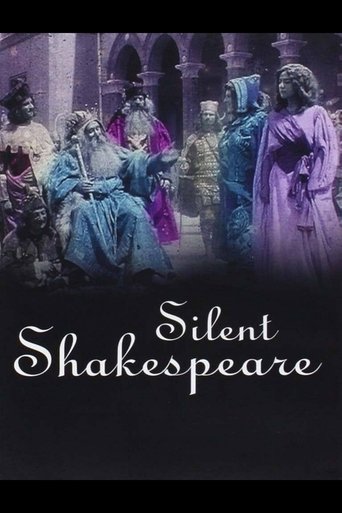
Kathleen Yorke
Actor
- Active
- 1911-1911
Films 1
About Kathleen Yorke
Kathleen Yorke is a largely obscure early silent-era screen performer whose surviving film record is extremely limited. She is documented in connection with the 1911 production Richard III, placing her among the generation of actors who worked in the formative years of narrative cinema, when many performers moved between stage and the earliest film companies. Because the available historical record is sparse, very little is known with certainty about her early life, training, or later career, and she does not appear to have left a substantial footprint in surviving trade publications or standard film histories. Her name is preserved primarily through filmography references rather than through extensive biographical documentation, which is common for many performers from the first decade of the 20th century. No reliable evidence was found for a long screen career beyond the single known 1911 credit, so it is possible that her film work was brief or that her contributions have been lost to incomplete archival records. As with many early cinema figures, her significance lies in representing the thousands of performers who helped shape silent film performance style and production practice before the industry became fully standardized. Her exact birth and death details, personal background, and later life remain unverified in accessible historical sources.
More about Kathleen Yorke
On screen
No reliable contemporary description of Kathleen Yorke's acting style has survived in readily accessible sources. Given the period in which she worked, her performance would have been shaped by early silent-film conventions: expressive gesture, clear physical storytelling, and a style influenced by stage acting and pantomime. Any more specific assessment would be speculative without surviving reviews or extant footage.
In film history
Kathleen Yorke's cultural impact is difficult to measure in conventional terms because so little is known about her beyond a single credited film appearance. Even so, her documented participation in Richard III (1911) places her within the crucial first generation of screen actors who helped define how Shakespeare and other literary works could be adapted for the motion picture medium. Performers like Yorke contributed to the legitimacy of film as a storytelling form at a time when the medium was still proving its artistic possibilities. Her presence in the historical record also underscores how many early cinema artists, particularly women, remain only partially documented despite their participation in foundational productions.
Later reputation
Kathleen Yorke's legacy is primarily archival rather than celebrity-based: she survives in film history as a name attached to one of the many early silent-era productions that shaped screen adaptation and performance practice. Her known credit in Richard III connects her to the early tradition of filming Shakespeare, an important strand in cinema history that helped bridge stage drama and motion pictures. Because so little biographical material survives, she stands as an example of the numerous forgotten or semi-forgotten performers whose labor supported the development of the film industry. Her legacy is therefore tied to the preservation of early film records and the continuing work of historians reconstructing silent-era personnel lists.
Influence
There is no documented evidence that Kathleen Yorke directly influenced later actors or directors in a traceable way. Her broader influence is indirect, as part of the collective body of silent-era performers whose approaches to gesture, timing, and visual clarity informed the evolution of film acting. In that sense, she belongs to the foundational generation that established conventions later artists would refine in the feature-film era.
Off screen
No reliable biographical record was found detailing Kathleen Yorke's personal life, marriages, family background, or later activities. This lack of documentation is not unusual for performers from the earliest years of cinema, especially women whose careers may have been brief and whose off-screen lives were not extensively reported in surviving sources. At present, her personal history must be regarded as unknown pending archival discovery.
Education
Unknown; no verified educational background could be found in accessible sources.
Credits
- Appeared in the 1911 silent film Richard III, one of her only securely documented screen credits
- Worked during the earliest formative period of silent cinema, when film acting was still closely tied to stage traditions
- Represents the many early screen performers whose careers are known primarily through fragmentary surviving filmographies
Roles
- Unnamed role in Richard III (1911)
Films
- Richard III (1911)
Notes
- Kathleen Yorke is chiefly known today through filmography records rather than through surviving biographies.
- Her only securely identified credit in accessible sources is Richard III (1911).
- She worked during the first years of narrative silent film, when many productions were short and records were inconsistently kept.
- No confirmed information is readily available about her birth, death, or family background.
- She appears to be one of many early women screen performers whose contributions have been largely lost to incomplete archival preservation.
- Because her record is so sparse, she is often of interest to researchers studying forgotten silent-era cast lists rather than major-star history.
Questions
Who was Kathleen Yorke?
Kathleen Yorke was an early silent-film actor known from a very small surviving film record, including Richard III (1911). She appears to have been active during the formative years of cinema, but detailed biographical information has not survived in accessible sources.
What films is Kathleen Yorke best known for?
She is best known for Richard III (1911), which is the principal credited work associated with her name in surviving records. No other films can be confirmed with confidence from the available information.
When was Kathleen Yorke born and when did she die?
Her birth and death dates are not currently verified in accessible historical sources. In the absence of reliable archival evidence, both remain unknown.
What awards did Kathleen Yorke win?
No awards or nominations are documented for Kathleen Yorke in the surviving record. This is unsurprising for many performers from the silent era, especially those whose careers were brief or poorly documented.
What was Kathleen Yorke's acting style?
No detailed contemporary description of her technique has been preserved. As a performer from 1911, her work would likely have reflected early silent-era conventions such as expressive physical gesture and visually clear storytelling.
What is Kathleen Yorke's legacy in film history?
Her legacy lies mainly in her presence within the early documentation of silent cinema and Shakespeare adaptation on film. She represents the many performers whose work helped build the medium even though their personal histories are now largely lost.