Roy Pomeroy
Director
Born: April 20, 1892 in Denver, Colorado, United States Died: July 24, 1947 Active: 1915-1947
Films
1 film
About Roy Pomeroy
Made significant contributions to early Hollywood as both a special effects innovator and director during the transition from silent films to talkies. Born in Denver, Colorado, in 1892, Pomeroy began his career as an artist and illustrator before entering the burgeoning film industry in the 1910s, where he quickly established himself as innovative special effects technicians of his era. His work on films like 'Wings' (1927) earned him the first Academy Award ever presented for Best Engineering Effects, cementing his reputation as a technical wizard in Hollywood's golden age. Pomeroy's expertise in creating convincing visual illusions made him invaluable during an era when practical effects were the only option for filmmakers, and he worked on numerous prestigious productions for major studios before transitioning into directing. His directorial career, though relatively brief, spanned the crucial period of 1928-1930 when Hollywood was adapting to sound technology, with 'Inside the Lines' (1930) being among his notable directorial efforts. Despite his success in both technical and creative roles, Pomeroy's career was cut short by his untimely death in 1947 at the age of 55, leaving behind a legacy as one of early cinema's most innovative visual effects pioneers.
The Craft
Behind the Camera
Pomeroy's directing style was heavily influenced by his technical background, with a strong emphasis on visual spectacle and innovative camera techniques. His films often showcased his special effects expertise, incorporating elaborate visual elements that were ahead of their time. As a director during the transition to sound, he adapted well to the new technology while maintaining the visual sophistication of his silent film background.
Milestones
- Won the first Academy Award for Best Engineering Effects for 'Wings' (1927)
- Pioneered numerous special effects techniques during the silent era
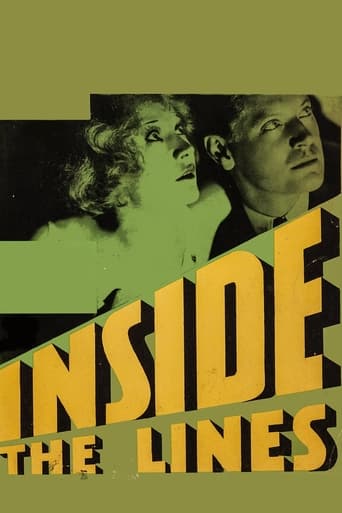
- Directed several films during the transition to sound including 'Inside the Lines' (1930)
- Worked as head of special effects department at Paramount Pictures
- Contributed to over 50 films as special effects artist
Best Known For
Must-See Films
Accolades
Won
- Academy Award for Best Engineering Effects (1928) for 'Wings'
Special Recognition
- First recipient of the Academy Award for Engineering Effects
- Recognized by the Academy of Motion Picture Arts and Sciences as a pioneer in special effects
Working Relationships
Worked Often With
Studios
Why They Matter
Impact on Culture
Roy Pomeroy's impact on cinema extends far beyond his brief directorial career, as his innovations in special effects helped establish the foundation for modern visual effects in filmmaking. By winning the first Academy Award for Engineering Effects, he helped legitimize the importance of technical achievements in cinema and paved the way for future generations of visual effects artists. His work on 'Wings' demonstrated how special effects could enhance storytelling and create immersive experiences for audiences, a principle that remains central to blockbuster filmmaking today. Pomeroy's techniques in matte painting, miniature effects, and optical compositing influenced countless filmmakers and established many of the methods that would be used for decades. His transition from special effects to directing also represented the growing recognition of technical expertise as a pathway to creative control in Hollywood.
Lasting Legacy
Roy Pomeroy's legacy as a pioneer of visual effects continues to influence contemporary cinema, with many of his techniques forming the basis for modern digital effects. His historic Academy Award win established the precedent for recognizing technical achievement in filmmaking, leading to the comprehensive awards categories for visual effects that exist today. The innovations he developed during the silent era, including advanced matte painting techniques and sophisticated miniature photography, remained industry standards well into the age of computer-generated imagery. Pomeroy's career trajectory from technical artist to director also helped break down barriers between technical and creative roles in Hollywood, demonstrating that technical expertise could translate into effective filmmaking. His work on films like 'Wings' continues to be studied by film historians and special effects professionals as examples of early visual effects mastery.
Who They Inspired
Pomeroy influenced generations of special effects artists through his groundbreaking techniques and his success in transitioning from technical work to directing. His methods for creating realistic aerial combat sequences in 'Wings' became standard practice for aviation films for decades. The prestige he brought to the special effects field through his Academy Award win helped establish it as a respected artistic discipline rather than merely technical work. Many subsequent special effects pioneers, including Linwood Dunn and Douglas Trumbull, built upon techniques that Pomeroy helped develop or perfect. His approach to integrating effects seamlessly into narrative storytelling influenced how directors and cinematographers would approach visual spectacle in cinema.
Off Screen
Roy Pomeroy married actress and screenwriter Evelyn Nelson in 1926, though the marriage ended in divorce. He later married actress Virginia Vance. Pomeroy was known as a private individual who preferred to stay out of the Hollywood spotlight, focusing instead on his technical and creative work. His colleagues described him as meticulous and innovative, always pushing the boundaries of what was possible in visual effects.
Education
Studied art and illustration before entering the film industry; attended the Art Institute of Chicago
Family
- Evelyn Nelson (1926-1929)
- Virginia Vance (1930-1947)
Did You Know?
- Won the very first Academy Award for Engineering Effects in 1928
- Worked on over 50 films as a special effects artist
- His Oscar for 'Wings' was presented at the first Academy Awards ceremony in 1929
- Was one of the few special effects artists to successfully transition to directing
- Developed innovative techniques for creating realistic aerial combat footage
- His special effects work on 'Wings' was so convincing that many viewers believed the aerial sequences were real
- Served in the Army Air Corps during World War I, which influenced his later work on aviation films
- Was head of the special effects department at Paramount Pictures during the late 1920s
- His directorial career coincided exactly with Hollywood's transition from silent films to talkies
- Pomeroy's techniques for miniature effects were used in Hollywood for over three decades
In Their Own Words
Visual effects should serve the story, not dominate it. The best effects are those the audience doesn't even notice.
In cinema, we have the power to create worlds that exist only in imagination, but they must feel real to the heart.
Frequently Asked Questions
Who was Roy Pomeroy?
American filmmaker and special effects artist who won the first Academy Award for Engineering Effects. He worked extensively in Hollywood during the silent era and early sound period, contributing to over 50 films as a special effects artist before transitioning to directing.
What films is Roy Pomeroy best known for?
Titles linked here include Wings (1927) - as special effects artist, Inside the Lines (1930) - as director.
When was Roy Pomeroy born and when did he die?
Born April 20, 1892; died July 24, 1947.
What awards did Roy Pomeroy win?
Roy Pomeroy won the Academy Award for Best Engineering Effects in 1928 for his work on 'Wings,' making him the first recipient of this award in Academy history.
What was Roy Pomeroy's directing style?
Pomeroy's directing style was heavily influenced by his technical background, emphasizing visual spectacle and innovative camera techniques. His films often showcased his special effects expertise while adapting to the new challenges of sound cinema.
How did Roy Pomeroy influence cinema?
Pomeroy influenced cinema by special effects techniques that became industry standards for decades. His work helped establish visual effects as a legitimate artistic discipline, and his Academy Award win brought prestige to technical achievements in filmmaking.
What studios did Roy Pomeroy work with?
Roy Pomeroy worked primarily with Paramount Pictures, where he headed the special effects department, as well as with Fox Film Corporation and MGM on various projects throughout his career.
What was significant about Pomeroy's work on 'Wings'?
Pomeroy's work on 'Wings' was groundbreaking for its realistic aerial combat sequences and innovative special effects. The film won the first Academy Award for Best Picture, and Pomeroy's effects work earned him the first Academy Award for Engineering Effects.