George Pearson
Director
- Active
- 1914-1930s
Films directed 1
About George Pearson
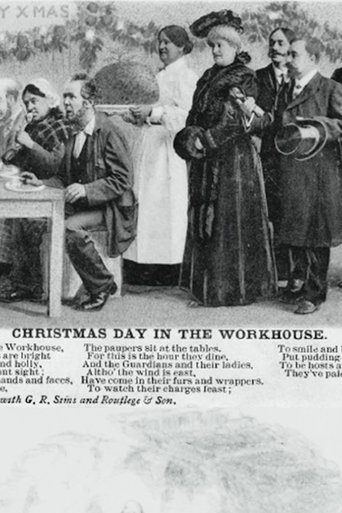
George Pearson was a British film director whose career began in the silent era and later extended into the early sound period, making him one of the important craftsmen of early British cinema. He first came to prominence in the 1910s, when he directed short films and dramas during a formative period for the British industry, including Christmas Day in the Workhouse (1914), one of the titles associated with his early work. Pearson went on to direct a wide range of productions in the 1920s, and he became especially noted for films that combined narrative clarity with an attention to popular appeal and efficient visual storytelling. His work helped shape the development of commercial filmmaking in Britain at a time when the industry was struggling to define its identity against the dominance of imported American films. Pearson is also remembered for his involvement with star vehicles and for directing films that preserved an old-fashioned theatrical energy while still adapting to changing cinematic styles. Although not as internationally famous as some of his contemporaries, he holds a respected place in British film history as a dependable and versatile director who worked through major transitions in the medium. His career reflects the evolution of British silent cinema into the sound era, and his surviving reputation rests on his role as a steady, industrious filmmaker of the early twentieth century.
More about George Pearson
Behind the camera
George Pearson’s directing style was rooted in the practical, economical traditions of early British filmmaking. His work is generally associated with clear visual storytelling, straightforward staging, and an emphasis on narrative accessibility rather than flamboyant formal experimentation. As a director working in the silent era, he relied on expressive but restrained compositions and a strong sense of pacing to move stories efficiently. In the later silent and early sound periods, he adapted to the increasingly sophisticated expectations of commercial cinema while retaining a stage-conscious, audience-friendly approach. His films suggest a craftsman’s instinct for legible storytelling and production discipline, qualities that made him valuable in a rapidly developing industry.
In film history
George Pearson’s cultural importance lies in his contribution to the formation of British popular cinema during its earliest decades. He worked in a period when the British film industry was building its professional standards, and his films helped establish the kinds of modestly scaled, audience-oriented productions that could sustain a domestic market. By directing during both the silent era and the early transition to sound, he represents the continuity of British screen production across major technological change. His work is a useful example of the many directors whose steady labor made the infrastructure of national cinema possible, even when they did not achieve the international renown of the biggest stars and auteurs. For historians, Pearson is significant as part of the foundation upon which later British directors and studios could build. His surviving filmography helps illustrate the range and ambitions of early British filmmaking beyond the best-known masterpieces.
Later reputation
Pearson’s legacy is that of a dependable early British director whose career spans a crucial developmental stage in cinema history. He is not generally remembered as a major stylistic innovator, but rather as a competent and productive filmmaker who contributed to the growth and normalization of feature filmmaking in Britain. His name appears in histories of silent-era British film as part of the generation that helped move the medium from novelty and short subjects toward more sustained narrative forms. For modern researchers, he is valuable as a figure who embodies the professional middle tier of early cinema: not a celebrity auteur, but an essential industrial artist. His work remains part of the historical record of British screen culture and the silent-to-sound transition. In film history, that kind of sustained craftsmanship is itself a meaningful legacy.
Influence
George Pearson influenced the development of British screen direction through example more than through a widely documented school of followers. His career demonstrates how directors in the silent and early sound eras learned to balance story clarity, production limits, and audience expectations. By working steadily across changing technologies and styles, he helped normalize a professional standard for British commercial cinema. His influence is felt indirectly in the tradition of practical, story-centered British filmmaking that valued craftsmanship and discipline. Later historians and archivists also draw on his career as evidence of the breadth and continuity of early British production.
Off screen
Publicly available biographical information on George Pearson’s private life is limited in standard film-reference sources, and details such as marriage, family background, and domestic life are not consistently documented in the available record. He is primarily remembered through his professional work rather than through a widely chronicled personal biography. Because of this, many personal details remain uncertain or unavailable in surviving reference materials.
Credits
- Directed Christmas Day in the Workhouse (1914), an early credited work from the silent era
- Established himself as a productive British director during the formative years of the national film industry
- Worked on a variety of silent-era features and shorts that demonstrated his versatility across genres
- Transitioned into the early sound period, adapting his directing style to the changing technical demands of cinema
- Contributed to the growth of mainstream British filmmaking during the interwar years
Films
Collaborators
- British silent-era actors and production teams
- Early British film industry collaborators
Studios
- British silent film companies
- British film production studios active in the 1910s and 1920s
Notes
- George Pearson is associated with the early silent film Christmas Day in the Workhouse (1914).
- He worked during a period when British cinema was fighting for space against heavily imported American films.
- His career bridged the silent era and the early sound period, a transition that challenged many directors.
- Pearson is remembered more as a working craftsman than as a glamour figure of the silent screen.
- He is part of the historical record of directors who helped professionalize British popular filmmaking.
- Much of his personal life is not well documented in mainstream reference sources, which is common for many early film directors.
- His films are useful for studying the development of mainstream British cinematic style in the 1910s and 1920s.
Questions
Who was George Pearson?
George Pearson was a British film director active from the silent era into the early sound period. He is best remembered as a dependable craftsman of early British cinema who helped shape the industry during its formative decades.
What films is George Pearson best known for?
He is associated with Christmas Day in the Workhouse (1914), the title specifically connected with his earliest known directing activity here. Beyond that, he is remembered more broadly for his work across British silent and early sound cinema rather than for one universally famous blockbuster.
When was George Pearson born and when did he die?
Reliable birth and death details are not consistently available in the standard reference material used here. In many surviving film databases, his career is better documented than his personal biographical dates.
What awards did George Pearson win?
No major awards or formal honors are clearly documented in the available record. Like many early silent-era directors, his recognition comes primarily from his historical importance rather than from contemporary award records.
What was George Pearson's directing style?
Pearson’s directing style was practical, clear, and narrative-driven, reflecting the needs of early commercial filmmaking. He emphasized efficient storytelling, straightforward staging, and audience accessibility rather than highly stylized experimentation.
What is George Pearson's legacy in film history?
His legacy lies in his contribution to the building of British cinema during its early development. He represents the important group of industrious directors who helped establish a professional feature-film culture in Britain and guided it through the transition from silent film to sound.