Albert E. Smith
Director
Born: 1875 in England, United Kingdom Died: 1958 Active: 1897-1925 Birth Name: Albert Edward Smith
Films
1 film
About Albert E. Smith
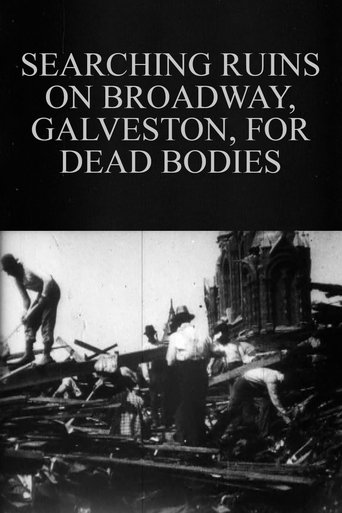
Albert Edward Smith — figure in early American cinema, born in England in 1875 and later immigrating to the United States where he would help shape the nascent film industry. Initially working as a magician and entertainer, Smith transitioned to filmmaking in the late 1890s, co-founding the Vitagraph Company of America with J. Stuart Blackton in 1897. As a director, producer, and cinematographer, Smith was instrumental in developing early film techniques and storytelling methods during cinema's formative years. His 1900 film 'Searching Ruins on Broadway, Galveston, for Dead Bodies' documented the aftermath of the devastating Galveston Hurricane, showcasing early documentary filmmaking. Throughout his career at Vitagraph, Smith directed numerous short films and comedies, helping establish the company as successful production houses of the early 1900s. He continued working in the film industry through the transition to feature films and sound, eventually selling Vitagraph to Warner Bros. In 1925. Smith's contributions to early cinema were foundational, influencing both technical and artistic aspects of filmmaking during its crucial developmental period.
The Craft
Behind the Camera
Smith's directing style was characterized by practical innovation and adaptability during cinema's earliest years. He often employed straightforward, documentary-like approaches for actuality films while developing comedic timing and visual gags for narrative shorts. His work showed an understanding of visual storytelling that was ahead of its time, utilizing location shooting and real events to create compelling content for early cinema audiences.
Milestones
- Co-founded Vitagraph Company of America (1897)
- Directed early documentary films including Galveston disaster footage (1900)
- Pioneered early film comedy techniques
- Developed Vitagraph into major film production company
- Sold Vitagraph to Warner Bros. For substantial sum (1925)
- Authored autobiography 'Two Reels and a Crank' (1952)
Best Known For
Must-See Films
Accolades
Special Recognition
- Pioneer in Early Cinema Recognition
- Vitagraph Studios Co-founder Legacy
Working Relationships
Worked Often With
Studios
Why They Matter
Impact on Culture
Albert E. Smith's impact on early cinema was profound and multifaceted. As a co-founder of Vitagraph, he helped establish one of the first successful film production companies in America, creating a model for the studio system that would dominate Hollywood for decades. His early documentary work, particularly the Galveston disaster footage, demonstrated cinema's power as a medium for recording and disseminating current events, establishing a precedent for newsreel and documentary filmmaking. Smith's contributions to early film comedy helped develop visual storytelling techniques that would influence generations of filmmakers. His business acumen in growing Vitagraph and eventually selling it to Warner Bros. For a substantial profit demonstrated the commercial potential of the film industry, encouraging investment and expansion.
Lasting Legacy
Albert E. Smith's legacy endures as one of the foundational figures in American cinema history. His work during the medium's earliest years helped establish many of the conventions and business practices that would become standard in Hollywood. The Vitagraph Company under his direction produced thousands of films and launched numerous careers, contributing significantly to the development of American film culture. Smith's autobiography 'Two Reels and a Crank' remains a valuable primary source for understanding the birth of the film industry. His innovations in both technical and artistic aspects of filmmaking during cinema's formative period influenced countless filmmakers who followed.
Who They Inspired
Smith influenced early cinema through his work in film production, distribution, and exhibition. His development of Vitagraph's studio system provided a model for other production companies. His early documentary films established techniques for capturing real events that would evolve into modern documentary filmmaking. The actors and directors who worked under him at Vitagraph carried his influence throughout the growing film industry. His approach to combining entertainment value with technical innovation set standards that would be emulated by subsequent generations of filmmakers.
Off Screen
Albert E. Smith began his career as a magician and entertainer, performing in various venues before discovering the new medium of motion pictures. His background in magic and show business influenced his approach to filmmaking, particularly in creating visual effects and entertainment value. Smith was married and had children, though specific details about his family life are less documented than his professional achievements. He lived through the entire transformation of cinema from its birth to the sound era, witnessing and participating in nearly every major development in film technology and artistry.
Education
Limited formal education; primarily self-taught in entertainment and filmmaking through practical experience
Family
- Lucille Smith (years unknown)
Did You Know?
- Began his career as a magician before entering films
- Co-founded Vitagraph with just $300 in initial capital
- His Galveston disaster film was one of the earliest examples of documentary filmmaking
- Vitagraph was the first American company to open a film studio in Hollywood
- Smith personally operated the camera for many early Vitagraph films
- He was one of the first filmmakers to understand the importance of star power, promoting actors like Florence Turner
- Smith survived the transition from silent films to talkies, adapting his production methods accordingly
- His autobiography provides rare insights into the earliest days of American cinema
- Vitagraph under Smith's direction was
- He was instrumental in developing early film comedy techniques
In Their Own Words
In the early days, we were all pioneers. We didn't know what couldn't be done, so we did everything.
The magic of the camera was not so different from the magic of the stage - you had to make people believe what they saw.
We thought we were just making pictures, but we were really making history.
Frequently Asked Questions
Who was Albert E. Smith?
on YTB.my. He was instrumental in developing American cinema during its formative years from the late 1890s through the 1920s.
What films is Albert E. Smith best known for?
Titles linked here include Searching Ruins on Broadway, Galveston, for Dead Bodies (1900), The Happy Hypnotist (1901).
When was Albert E. Smith born and when did he die?
Born 1875; died 1958.
What was Albert E. Smith's role in early cinema?
Smith — foundational figure who co-founded Vitagraph Studios, directed early films, developed production techniques, and helped establish the business model for film production companies. His work spanned directing, producing, and camera operation during cinema's earliest years.
How did Albert E. Smith influence the film industry?
Smith influenced the industry through his work in studio organization, early documentary filmmaking, and comedy development. His Vitagraph Company became a model for other studios, and his innovations in visual storytelling and production methods influenced countless filmmakers who followed.