Films
3 films
About Georges Hatot
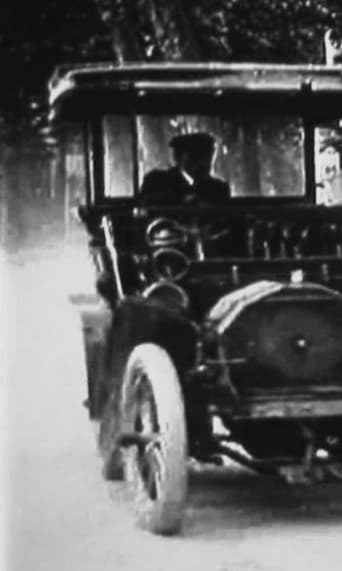
French filmmaker who worked during the earliest days of cinema, contributing to the development of narrative filmmaking in the silent era. Active primarily in the first decade of the 20th century, Hatot was part of the generation of filmmakers who helped establish the language of cinema through short comic and dramatic films. His 1906 film 'The Inexperienced Chauffeur' exemplifies the early comedy genre that was popular with audiences of the time, showcasing simple physical gags and situational humor that would become staples of silent comedy. Working during the period when cinema was transitioning from novelty to art form, Hatot and his contemporaries were experimenting with editing, camera placement, and storytelling techniques that would influence future generations of filmmakers. Though his career appears to have been brief or poorly documented, his work represents an important chapter in the history of French cinema's golden age of innovation. Hatot's films, like those of other early pioneers, helped establish many of the conventions that would become standard in narrative cinema.
The Craft
Behind the Camera
Georges Hatot's directing style reflected the early cinematic techniques of the 1900s, characterized by static camera positions, theatrical staging, and emphasis on physical comedy and visual gags. His approach was typical of the period, using long takes and minimal editing to capture straightforward narrative situations that relied on exaggerated actions and expressions rather than sophisticated camera work. Like many early filmmakers, Hatot focused on creating easily understandable visual stories that could transcend language barriers in the international film market.
Milestones
- Directed 'The Inexperienced Chauffeur' (1906)
- Contributed to early French comedy cinema
- Part of generation of filmmakers
Best Known For
Must-See Films
Working Relationships
Studios
Why They Matter
Impact on Culture
Georges Hatot represents the countless anonymous pioneers who helped shape early cinema during its formative years. While not as well-remembered as contemporaries like Georges Méliès or the Lumière brothers, filmmakers like Hatot contributed to the development of cinematic language through their experimentation with narrative structure and comedy. Their work in establishing early comedy conventions influenced later silent comedians and directors who would build upon these foundations. The preservation and study of films like 'The Inexperienced Chauffeur' provide valuable insight into the evolution of cinematic storytelling and the popular entertainment tastes of early 20th century audiences.
Lasting Legacy
Georges Hatot's legacy lies in his contribution to the foundation of narrative cinema during its earliest years. Though his name may not be widely recognized today, his work exemplifies the period when filmmakers were discovering how to tell stories through moving images. The survival of his films serves as important historical documentation of early cinematic techniques and popular entertainment forms. Hatot and his contemporaries paved the way for the sophisticated filmmaking that would follow, establishing basic principles of visual storytelling that continue to influence cinema today.
Who They Inspired
While direct evidence of Georges Hatot's influence on other filmmakers is limited due to the scarcity of documentation from this era, his work was part of the collective influence that early French cinema had on the development of filmmaking worldwide. The comedy techniques and narrative structures employed in films like 'The Inexperienced Chauffeur' contributed to the emerging language of cinema that would be adopted and adapted by filmmakers across Europe and America. Early French filmmakers, including Hatot, helped establish many of the conventions of visual comedy that would later be refined by comedians like Charlie Chaplin and Buster Keaton.
Off Screen
Very little is documented about Georges Hatot's personal life, which was common for many early cinema pioneers whose work was not extensively preserved or studied during their lifetime. As a filmmaker working in the early 1900s, he was part of a generation of artists who were experimenting with a new medium before cinema became recognized as a serious art form. The lack of personal documentation reflects the transient nature of early film careers, when many filmmakers moved between different production companies and often worked anonymously.
Did You Know?
- 'The Inexperienced Chauffeur' is one of the few surviving works from Hatot's filmography
- Early 1900s films were typically very short, often lasting only a few minutes
- Many films from this period have been lost due to the unstable nitrate film stock used at the time
- French cinema was a dominant force in global film production during the early 1900s
- Early filmmakers often served as director, writer, and sometimes actor in their own productions
- The comedy genre was extremely popular in early cinema due to its universal appeal
- Many early filmmakers like Hatot worked for multiple production companies during their careers
- The term 'chauffeur' in the title refers to the early automobile drivers who were considered professionals
- Early cinema often depicted modern technology and its humorous consequences
- Silent films relied heavily on visual storytelling and physical comedy techniques
Frequently Asked Questions
Who was Georges Hatot?
French filmmaker active during the early silent era around 1906, best known for directing 'The Inexperienced Chauffeur.' He was part of the generation of filmmakers who helped establish the foundations of narrative cinema during its formative years.
What films is Georges Hatot best known for?
Titles linked here include The Inexperienced Chauffeur (1906).
When was Georges Hatot born and when did he die?
Born 1875; died death date not listed.
What awards did Georges Hatot win?
Georges Hatot did not receive any formal awards or recognition during his career, as the film industry had not yet established award ceremonies during the early 1900s when he was active.
What was Georges Hatot's directing style?
Hatot's directing style reflected early 1900s cinematic techniques, featuring static camera positions, theatrical staging, and emphasis on physical comedy. His approach used visual gags and situational humor typical of the period's popular comedy shorts.