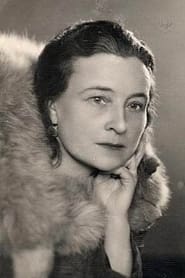
Sofiya Giatsintova
Actor
Born: August 4, 1904 in Moscow, Russian Empire Died: April 12, 1982 Active: 1924-1982 Birth Name: Sofiya Vladimirovna Giatsintova
Films
2 films
About Sofiya Giatsintova
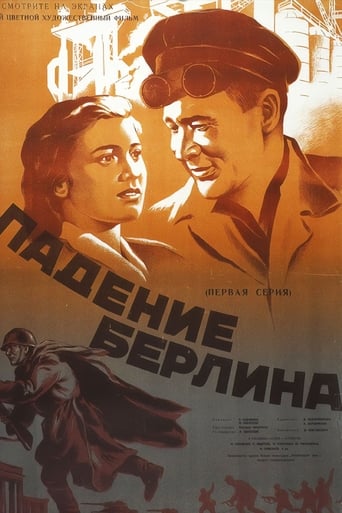
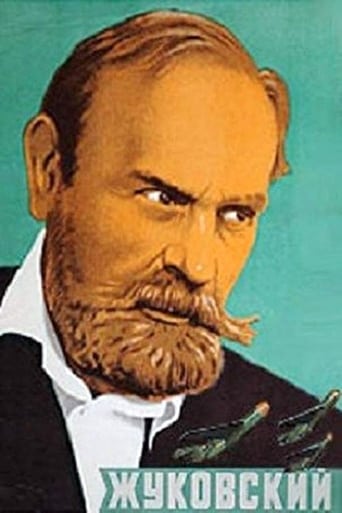
Soviet actress: several decades of Russian theater and cinema. Born into a theatrical family, she developed a passion for performing arts from an early age and received formal training at the prestigious Moscow Art Theatre School. Giatsintova began her career primarily in stage productions, where she honed her craft under the influence of the Stanislavski system before transitioning to film. Her most notable cinematic work came during the post-World War II period, particularly in the Stalinist era of Soviet cinema when she appeared in several significant propaganda films. In 'The Fall of Berlin' (1949), she portrayed a supporting role in this epic production that celebrated Soviet victory in World War II, ambitious and expensive Soviet films ever made. Her performance in 'Zhukovsky' (1950), a biographical film about the Russian scientist Nikolai Zhukovsky, further cemented her reputation as a reliable character actress capable of bringing depth to historical and contemporary roles. Throughout her career, Giatsintova remained closely connected to the theater while maintaining a selective but impactful film presence, becoming respected for her dedication to the craft and her ability to embody both ordinary citizens and historical figures with equal authenticity.
The Craft
On Screen
Giatsintova's acting style was deeply rooted in the Stanislavski system, emphasizing psychological realism and emotional authenticity. Her approach was characterized by meticulous character study and a naturalistic delivery that brought depth to both leading and supporting roles. On stage, she was known for her powerful presence and ability to convey complex emotions through subtle gestures and vocal modulation, while in film she adapted her theatrical training to the more intimate medium of cinema, creating nuanced performances that resonated with Soviet audiences.
Milestones
- Graduated from Moscow Art Theatre School
- Long-standing member of Moscow Art Theatre company
- Appeared in 'The Fall of Berlin' (1949), one of Soviet cinema's most ambitious productions
- Performed in 'Zhukovsky' (1950)',
- Received People's Artist of the RSFSR honor
- Mentored younger generations of Soviet actors
- Contributed to both stage and screen performances throughout her career
Best Known For
Iconic Roles
Must-See Films
Accolades
Won
- People's Artist of the RSFSR (1957)
- Order of the Red Banner of Labour
- Order of the Badge of Honour
Special Recognition
- Honored Artist of the RSFSR
- People's Artist of the RSFSR
Working Relationships
Worked Often With
Studios
Why They Matter
Impact on Culture
Sofiya Giatsintova contributed significantly to Soviet cultural life during a pivotal period in Russian history. Her work in films like 'The Fall of Berlin' helped shape the visual narrative of Soviet victory in World War II, reinforcing official state ideology while providing emotional resonance for audiences. As a member of the prestigious Moscow Art Theatre, she was part of an institution that defined Russian theatrical excellence and influenced generations of performers. Her ability to transition seamlessly between stage and screen made her a model for Soviet actors seeking to master both mediums.
Lasting Legacy
Giatsintova's legacy endures through her contributions to both Soviet theater and cinema, particularly her role in preserving and advancing the Stanislavski tradition. Her performances in major Soviet films of the late 1940s and early 1950s remain important examples of the cinematic art of that era. As an educator and mentor at the Moscow Art Theatre, she influenced countless actors who would go on to shape Russian performing arts in the subsequent decades.
Who They Inspired
Giatsintova influenced Soviet acting through her dedication to psychological realism and her embodiment of the Stanislavski method. Her work in historical films helped establish conventions for portraying Soviet heroes and historical figures on screen. Many younger actors who worked with her at the Moscow Art Theatre adopted her approach to character development and her commitment to artistic authenticity despite political pressures.
Off Screen
Sofiya Giatsintova was deeply immersed in the Soviet theatrical world throughout her life, maintaining close relationships with fellow actors and directors. She was known for her dedication to her craft and her commitment to the principles of Soviet art, often participating in cultural delegations and representing Soviet theater abroad. Despite the political pressures of the Stalin era, she maintained a reputation for professionalism and artistic integrity.
Education
Moscow Art Theatre School (graduated 1924)
Family
- Vladimir Yershov (1928-1942, his death)
Did You Know?
- She was born into a theatrical family, which influenced her career choice
- Her husband Vladimir Yershov was also a prominent Soviet actor
- She survived the political purges of the 1930s, a difficult period for many Soviet artists
- She remained active in theater throughout her film career
- Giatsintova was part of the second generation of actors trained in the Stanislavski system
- She performed in both classical Russian plays and contemporary Soviet works
- Her active years covered from the silent era through the Brezhnev period
- She was known for her versatility in playing both contemporary and historical characters
- Giatsintova received state honors for her contributions to Soviet art
In Their Own Words
The stage is not just a platform, but a mirror reflecting the soul of our people
Every role, whether large or small, demands the same dedication and truth
In our art, we serve not only the audience but the ideals of our society
Frequently Asked Questions
Who was Sofiya Giatsintova?
Soviet actress active from the 1920s through the early 1980s, best known for her work with the Moscow Art Theatre and her roles in films like 'The Fall of Berlin' (1949) and 'Zhukovsky' (1950). She was a respected figure in Soviet cultural life and received the honor of People's Artist of the RSFSR for her contributions to the performing arts.
What films is Sofiya Giatsintova best known for?
Titles linked here include The Fall of Berlin (1949), Zhukovsky (1950).
When was Sofiya Giatsintova born and when did she die?
Born August 4, 1904; died April 12, 1982.
What awards did Sofiya Giatsintova win?
Giatsintova received several prestigious Soviet honors, including the title of People's Artist of the RSFSR in 1957, the Order of the Red Banner of Labour, and the Order of the Badge of Honour. These awards recognized her significant contributions to Soviet theater and cinema.
What was Sofiya Giatsintova's acting style?
Giatsintova's acting style was deeply influenced by the Stanislavski system, emphasizing psychological realism, emotional authenticity, and detailed character study. She was known for her naturalistic delivery and ability to bring depth to both leading and supporting roles, successfully adapting her theatrical training to the medium of film.