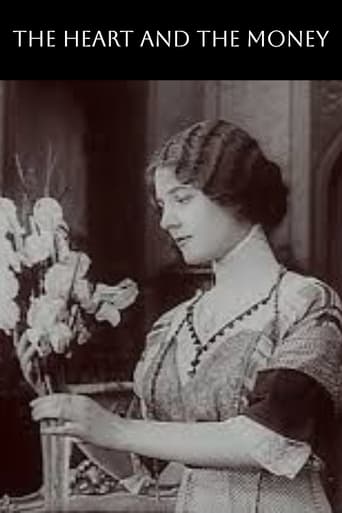

Suzanne Grandais
Actor
Born: June 14, 1893 in Paris, France Died: August 28, 1920 Active: 1911-1920 Birth Name: Suzanne Jeanne Louise Baulard
Films
6 films
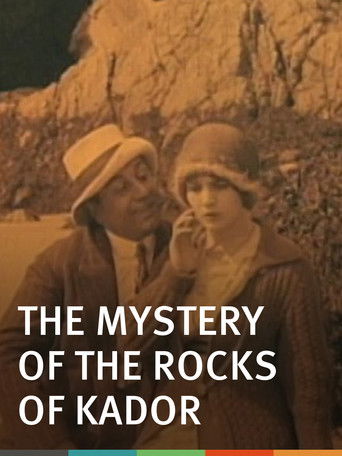


About Suzanne Grandais
Suzanne Grandais was born Suzanne Jeanne Louise Baulard in Paris, France, and became one of the actresses of French cinema during the silent era. She began her career in theater before transitioning to films around 1911-1912, quickly gaining recognition for her naturalistic acting style and emotional depth. Grandais worked extensively with director Léonce Perret at Gaumont studios, becoming one of his favorite leading ladies and starring in many of his most innovative films. Her performances in films like 'Le Mystère des roches de Kador' (1912) and 'L'Enfant de Paris' (1913) showcased her ability to convey complex emotions through subtle gestures and expressions, setting her apart from the more theatrical acting common in early cinema. She was considered one of France's first true film stars, earning the nickname 'the Sarah Bernhardt of cinema' for her dramatic intensity and screen presence. Tragically, her promising career was cut short when she died in a car accident on August 28, 1920, at the age of 27, leaving behind a legacy as an important figure in the development of cinematic acting techniques.
The Craft
On Screen
Grandais was known for her naturalistic and subtle acting style, which contrasted sharply with the exaggerated theatrical performances common in early cinema. She used minimal gestures and facial expressions to convey deep emotion, bringing a new level of psychological realism to silent film acting. Her performances were characterized by their emotional authenticity and ability to communicate complex inner states through subtle physical cues, making her one of the first actresses to truly understand the intimate nature of film performance.
Milestones
- Breakthrough role in 'Le Mystère des roches de Kador' (1912)
- Leading actress at Gaumont studios under Léonce Perret
- Star of 'L'Enfant de Paris' (1913)
- Became one of France's first major film stars
- Pioneered naturalistic acting style in early cinema
Best Known For
Iconic Roles
Must-See Films
Accolades
Special Recognition
- Recognized as one of France's first major film stars
- Cited as a figure in naturalistic film acting
Working Relationships
Worked Often With
Studios
Why They Matter
Impact on Culture
Suzanne Grandais had a profound impact on the development of film acting techniques, particularly in France. She was instrumental in moving cinema away from theatrical表演 styles toward a more naturalistic and intimate approach suited to the camera. Her work with Léonce Perret helped establish new standards for cinematic storytelling and performance, influencing how actors would approach film work for decades to come. As one of France's first true film stars, she helped establish the concept of celebrity in cinema and demonstrated the commercial potential of star-driven films.
Lasting Legacy
Suzanne Grandais is remembered as a figure in early French cinema who helped define the art of film acting. Though her career was tragically cut short, her influence on subsequent generations of actors was significant, particularly in establishing the importance of subtlety and naturalism in screen performance. Film historians recognize her as a crucial transitional figure between theatrical and cinematic acting styles. Her surviving films continue to be studied for their innovative approach to performance and their role in the development of cinematic language.
Who They Inspired
Grandais influenced the development of naturalistic acting in cinema, particularly in France. Her work demonstrated how subtle performances could be more powerful than exaggerated theatrical gestures when captured on film. She inspired other actresses to embrace a more restrained and psychologically nuanced approach to their craft. Directors who worked with her, particularly Léonce Perret, incorporated her naturalistic style into their filmmaking philosophy, helping spread these techniques throughout the French film industry.
Off Screen
Suzanne Grandais married director Léonce Perret in 1913, though their marriage was relatively short-lived. She was known for her dedication to her craft and was considered. Her personal life was relatively private, with most public attention focused on her professional achievements and screen performances. She was described by contemporaries as intelligent, sensitive, and deeply committed to the artistic development of cinema as a medium.
Education
Limited information available, likely received standard education for the period and possibly theatrical training before entering films
Family
- Léonce Perret (1913-1915)
Did You Know?
- She was nicknamed 'the Sarah Bernhardt of cinema' for her dramatic intensity
- Died in a car accident at age 27, cutting short a promising career
- Worked almost exclusively with director Léonce Perret during her peak years
- Was one of the highest-paid actresses in French cinema during her lifetime
- Her film 'Le Mystère des roches de Kador' was innovative for its use of subjective camera techniques
- She began her career as a stage actress before transitioning to film
- Was considered
- Her naturalistic acting style was revolutionary for the period
- Many of her films have been lost due to the fragility of early film stock
- She was instrumental in establishing the star system in French cinema
In Their Own Words
The camera sees everything, even what we try to hide from ourselves
In film, the smallest gesture can speak louder than words
Cinema is not theater - it demands truth, not performance
Frequently Asked Questions
Who was Suzanne Grandais?
French silent film actress who became one of France's first major film stars during the 1910s. She was known for her naturalistic acting style and her collaborations with director Léonce Perret at Gaumont studios.
What films is Suzanne Grandais best known for?
Titles linked here include Le Mystère des roches de Kador (1912), L'Enfant de Paris (1913).
When was Suzanne Grandais born and when did she die?
Born June 14, 1893; died August 28, 1920.
What awards did Suzanne Grandais win?
During her lifetime, formal film awards were not yet established, so she did not receive official accolades. However, she was recognized as one of France's first major film stars and a figure in cinema.
What was Suzanne Grandais's acting style?
Grandais was known for her revolutionary naturalistic acting style, which contrasted with the theatrical performances common in early cinema. She used subtle gestures and expressions to convey deep emotion, helping establish a new approach to film acting.
How did Suzanne Grandais die?
She died in a car accident on August 28, 1920, which tragically cut short her promising career at the age of 27.
What was Suzanne Grandais's legacy in cinema?
Her legacy lies in naturalistic film acting and helping establish the star system in French cinema. She influenced how actors approached film performance and demonstrated the power of subtle, truthful acting on screen.