Films
1 film
About Lloyd Lonergan
Early American film screenwriter and occasional director: career belongs to the years of the silent cinema. He is best remembered today as one of the working writers associated with the Edison company and other early studios, contributing to the fast-expanding grammar of narrative filmmaking in the 1900s and 1910s. Lonergan wrote prolifically during a period when film credits were often incomplete or inconsistently recorded, which makes his exact filmography difficult to reconstruct with total certainty, but he is documented as having directed at least Daddy's Double in 1910. His work belongs to the formative era when short one-reel dramas and comedies were the standard, and when writers often moved between scriptwriting, scenario work, and directing. Because the surviving record is sparse, his personal biography is not as well documented as that of later silent-era figures, but his name appears in the history of early American motion pictures as part of the generation that helped establish screen storytelling conventions. Lonergan's career is significant less for celebrity than for craft: he was one of the numerous behind-the-scenes figures who made the early studio system function before the rise of feature-length prestige filmmaking. His legacy is therefore tied to the foundational development of silent-era production rather than to a large body of surviving fame or awards.
The Craft
Behind the Camera
Very little survives to define a personal directorial signature, but his confirmed directing work belongs to the early silent short format, which typically emphasized concise visual storytelling, stage-derived blocking, clear comic or melodramatic situations, and efficient narrative setup. As with many early directors, his style would have been shaped by the practical demands of one-reel production, limited camera movement, and the need to communicate plot points through actions and intertitles. Available historical references suggest he worked in the pragmatic, studio-driven mode typical of the pre-feature era rather than in an auteurist style recognizable from later film history.
Milestones
- Worked during the formative years of American silent cinema, when narrative film was rapidly evolving from novelty to storytelling medium
- Associated with early Edison-era filmmaking and other production environments
- Credited with writing numerous early silent shorts and scenarios, contributing to the expansion of screen dramaturgy
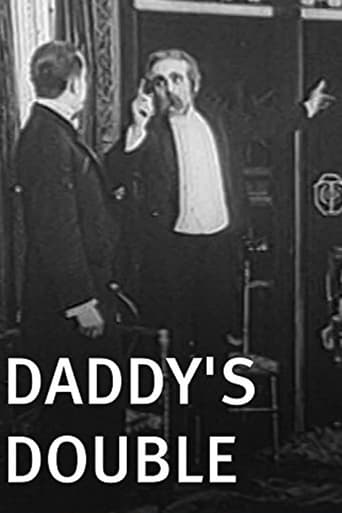
- Directed Daddy's Double (1910), one of the early confirmed directing credits attached to his name
- Represents the often-overlooked class of early studio writers whose work helped define continuity storytelling and short-subject production
Best Known For
Must-See Films
Working Relationships
Studios
Why They Matter
Impact on Culture
Lloyd Lonergan's importance lies in his participation in the earliest decades of American cinema, when the language of screenwriting and directing was still being invented. Writers like Lonergan helped move film away from simple photographed tableaux and toward more legible, structured narratives with clear causality, character motivation, and visual punchlines or dramatic reversals. Even if his name is not widely known outside film scholarship, his work sits within the foundation on which later silent-era storytelling was built. His confirmed directing credit on Daddy's Double is a reminder that many early film professionals moved fluidly between writing and directing as the industry experimented with roles and credits. In cultural terms, he belongs to the generation of craftsmen whose output is essential to film history even when individual titles are lost or only partially documented.
Lasting Legacy
Lonergan's legacy is primarily archival and historical: he is one of the early film figures whose surviving credits help scholars map the development of studio-era narrative filmmaking. Because so much of early cinema has been lost, the names of writers and directors like Lonergan are important markers of the industry’s formative workforce. His legacy is not built on celebrity, awards, or a preserved star persona, but on the foundational labor that enabled the silent film medium to mature. For historians, he represents the transitional class of early creators who worked before film authorship was widely recognized in the way it is today.
Who They Inspired
Lonergan's influence was likely indirect rather than tied to a famous personal school or movement. As a working writer and occasional director in the silent era, he contributed to the narrative and production methods that other filmmakers adopted and refined. The broader influence of his generation can be seen in the standardized approaches to pacing, intertitle use, scene construction, and short-form melodrama that became common in the 1910s. His work helped form the professional environment from which later silent-era directors and scenario writers emerged.
Off Screen
Very little reliable biographical information has survived about Lloyd Lonergan's private life, including details of marriage, family, education, or later years. Like many early film workers, he appears in surviving trade and studio records primarily through credits rather than through biographical profiles. No well-documented public controversies or celebrity-era personal narratives are associated with him in the available historical record.
Did You Know?
- He is one of the many early silent-era film figures whose documentation is fragmentary, making him more visible in credits than in biographies.
- His name is associated with both writing and directing, reflecting how fluid job titles were in the earliest years of American cinema.
- Daddy's Double (1910) is the clearest confirmed directing credit tied to his name in surviving film records.
- He worked during a period when many films were shorts and often released without the kind of detailed production publicity later studios would use.
- Because early film credits were inconsistent, some of his surviving screen credits may vary across databases and archival sources.
- His career belongs to the transition from the very early nickelodeon era to the more organized studio production model of the 1910s.
Frequently Asked Questions
Who was Lloyd Lonergan?
Early American silent-era screenwriter and occasional on YTB.my. He worked during the formative years of motion pictures, when the industry was still developing its storytelling methods and production practices.
What films is Lloyd Lonergan best known for?
Titles linked here include Daddy's Double (1910).
When was Lloyd Lonergan born and when did he die?
Reliable birth and death dates for Lloyd Lonergan are not readily available in surviving mainstream reference sources. The historical record on many early film personnel is incomplete, especially for workers whose fame was largely behind the camera.
What awards did Lloyd Lonergan win?
No awards or formal honors are known to be associated with Lloyd Lonergan. That is not unusual for early silent-era film workers, many of whom worked before the modern awards culture of Hollywood developed.
What was Lloyd Lonergan's directing style?
His directing style is not well preserved in critical sources, but his work would have followed the visual economy of early silent shorts. That generally meant clear staging, straightforward storytelling, and efficient use of intertitles and physical action to advance the plot.
What is Lloyd Lonergan's legacy in film history?
Lonergan's legacy is that of a foundational craftsman in the earliest years of American cinema. He represents the screenwriters and directors who helped shape silent film grammar before the feature era and before authorship was widely celebrated.