
Oscarito
Actor
Born: August 16, 1906 in Málaga, Spain Died: August 4, 1970 Active: 1932-1970 Birth Name: Oscar Lorenzo Jacinto de la Immaculada Concepción Teresa Díaz de la Peña y de la Llave
Films
2 films
About Oscarito
Oscarito, born Oscar Lorenzo Jacinto de la Immaculada Concepción Teresa Díaz de la Peña y de la Llave, was a Spanish-Brazilian comedian who became beloved figures in Brazilian cinema history. He immigrated to Brazil as a young man and began his career in theater before transitioning to film, where he found tremendous success during the Golden Age of Brazilian cinema. Oscarito became the star of Atlântida Cinematográfica, Brazil's major film studio of the era, and formed an comedy partnership with Grande Otelo that delighted audiences for decades. His physical comedy, expressive face, and impeccable timing made him a household name throughout Brazil, appearing in over 50 films throughout his career. Despite his Spanish origins, he became so thoroughly Brazilian in his artistic identity that few viewers knew of his European birth. His final years were marked by declining health, but he continued performing until shortly before his death in 1970, leaving behind an enduring legacy as one of Brazil's greatest comedic actors.
The Craft
On Screen
Physical comedy with exaggerated facial expressions, slapstick timing, and a distinctive high-pitched voice. His style combined elements of Spanish theatrical tradition with Brazilian popular humor, creating a unique comedic persona that was both sophisticated and accessible to mass audiences.
Milestones
- Film debut in 'Voando para o Rio' (1932)
- Star of Atlântida Cinematográfica studio
- Iconic comedy partnership with Grande Otelo
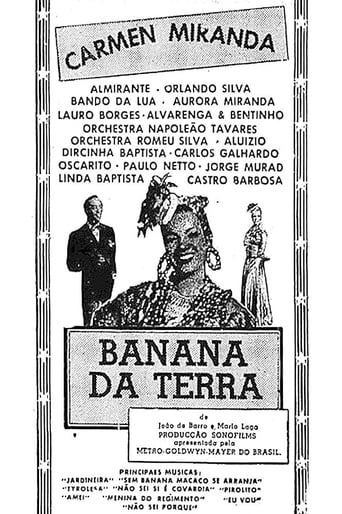
- Leading role in 'Banana-da-Terra' (1939)
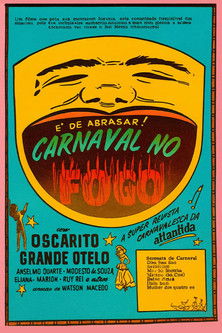
- Star of 'Carnaval no Fogo' (1949)
- Final film appearance in 'Adorável Trapalhão' (1968)
Best Known For
Iconic Roles
Must-See Films
Accolades
Won
- Prêmio Saci for Best Actor (1951)
- Troféu Imprensa for Best Comedian (multiple years)
- Brazilian Cinema Museum Lifetime Achievement Award (posthumous)
Nominated
- Brazilian Film Festival Best Actor nomination (1955)
- Cinema Rio Grand Prize nomination (1948)
Special Recognition
- Star on the Brazilian Walk of Fame in Rio de Janeiro
- Cultural Heritage status for his films by Brazilian government
- Multiple postage stamps featuring his likeness
- Theater named after him in São Paulo
Working Relationships
Worked Often With
Studios
Why They Matter
Impact on Culture
Oscarito fundamentally shaped Brazilian comedy cinema, helping establish the chanchada genre that dominated Brazilian film in the 1930s-1950s. His success demonstrated that Brazilian cinema could compete with Hollywood productions for domestic audiences, and his films often incorporated social commentary beneath their comic surface. He bridged cultural gaps between Brazil's European immigrant population and native-born Brazilians, creating a shared cultural reference point through his work. His influence extended beyond film into television, theater, and even Brazilian popular music, as many of his films featured musical numbers that became hits.
Lasting Legacy
Oscarito's legacy endures through the continued popularity of his films in Brazilian television reruns and film festivals. He is remembered as the first truly Brazilian movie star, paving the way for future generations of Brazilian comedians and actors. The Oscarito-Grande Otelo partnership remains. His films are studied in Brazilian universities as important cultural artifacts that reflect mid-20th century Brazilian society. Several Brazilian comedy shows and films have paid homage to his style, and his name has become synonymous with classic Brazilian comedy.
Who They Inspired
Oscarito influenced generations of Brazilian comedians, from the Trapalhões troupe to modern stand-up comedians. His physical comedy techniques and timing are still referenced in Brazilian acting schools. His success inspired other immigrant performers in Brazil and demonstrated that foreign-born artists could become national cultural icons. The chanchada genre he popularized evolved into modern Brazilian comedy films and television shows, with many contemporary comedians citing him as a primary influence.
Off Screen
Oscarito married twice during his lifetime, first to a Spanish dancer whom he met during his early theater days, and later to Brazilian actress Leila, with whom he had his children. Despite his massive fame, he was known for his humility and maintained close friendships with many of his co-stars, particularly Grande Otelo. He never fully lost his Spanish accent, which became part of his comedic charm, though he spoke fluent Portuguese. His personal life was relatively scandal-free, unusual for a star of his magnitude during that era.
Education
Formal education in Spain, later studied drama at Brazilian theater conservatories
Family
- First wife (Spanish dancer, 1928-1935)
- Leila (Brazilian actress, 1936-1970)
Did You Know?
- His stage name 'Oscarito' was a diminutive affectionately given to him by Brazilian fans
- He was originally trained as a classical dancer in Spain before turning to comedy
- Despite appearing in over 50 films, he never learned to drive and was always chauffeured to sets
- His makeup routine took over two hours daily to achieve his distinctive comic appearance
- He once performed for Brazilian President Getúlio Vargas at a private function
- His films were so popular that during carnival season, theaters would show his movies continuously
- He maintained his Spanish citizenship until 1945 when he became a naturalized Brazilian
- His partnership with Grande Otelo lasted over 30 years and 20 films
- He was one of the first Brazilian actors to receive percentage-based compensation for his films
- His final public appearance was at a charity event just weeks before his death
In Their Own Words
A vida é uma comédia, mas precisa de bons atores para funcionar
O segredo do humor está em não levar nada a sério, exceto o trabalho de fazer rir
No Brasil, eu nasci artisticamente. Na Espanha, eu apenas nasci
Rir é a única coisa que fazemos melhor quando estamos juntos
O palco é minha casa, a plateia minha família, o riso meu pagamento
Frequently Asked Questions
Who was Oscarito?
Legendary Spanish-Brazilian comedian who became. Born in Spain but naturalized Brazilian, he starred in over 50 films during the Golden Age of Brazilian cinema and was particularly famous for his comedy partnership with Grande Otelo.
What films is Oscarito best known for?
Titles linked here include Banana-da-Terra (1939), Carnaval no Fogo (1949).
When was Oscarito born and when did he die?
Born August 16, 1906; died August 4, 1970.
What awards did Oscarito win?
Oscarito won several prestigious awards including the Prêmio Saci for Best Actor in 1951, multiple Troféu Imprensa awards for Best Comedian, and received a posthumous Brazilian Cinema Museum Lifetime Achievement Award. He also has a star on the Brazilian Walk of Fame.
What was Oscarito's acting style?
Oscarito's acting style was characterized by physical comedy, exaggerated facial expressions, slapstick timing, and a distinctive high-pitched voice. He combined Spanish theatrical traditions with Brazilian popular humor, creating a unique comedic persona that was both sophisticated and accessible to mass audiences.
Who were Oscarito's frequent collaborators?
Oscarito's most famous collaborator was Grande Otelo, with whom he formed an iconic comedy partnership that lasted over 30 years. He also frequently worked with Carmen Miranda, directors Watson Macedo and Carlos Manga, and was a star of the Atlântida Cinematográfica studio.
What was Oscarito's impact on Brazilian cinema?
Oscarito fundamentally shaped Brazilian comedy cinema by helping establish the chanchada genre and demonstrating that Brazilian films could compete with Hollywood for domestic audiences. He became Brazil's first true movie star and his influence extends through generations of Brazilian comedians and continues to be felt in modern Brazilian entertainment.