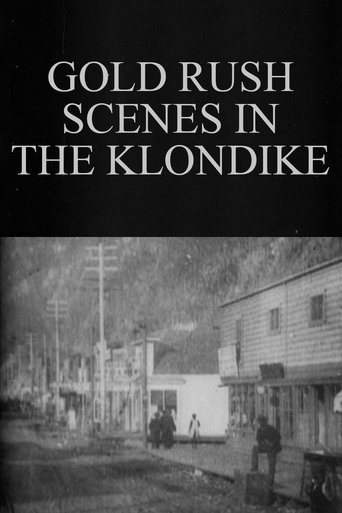
Films
1 film
About Thomas Crahan
Filmmaker active during the earliest days of cinema, specifically in 1899. He is known primarily for directing 'Gold Rush Scenes in the Klondike,' a documentary short film that captured actual footage from the famous Klondike Gold Rush period. As a filmmaker working in the late 1890s, Crahan was part of the first generation of motion picture directors who helped establish the language of cinema. His work represents the type of 'actuality films' that were popular in early cinema, which were essentially documentary-style recordings of real events and locations. The Klondike Gold Rush was a major cultural phenomenon of the late 1890s, and Crahan's film provided audiences with a rare visual record of this historic event. Unfortunately, like many early cinema pioneers, detailed records of Crahan's life and career are scarce, with his 1899 Klondike film being his only documented work. His contribution to early documentary filmmaking, however, places him among the important figures who helped establish cinema as a medium for capturing and preserving real-world events.
The Craft
Behind the Camera
Documentary/actuality style focusing on real events and locations
Milestones
- Directed 'Gold Rush Scenes in the Klondike' (1899)
- Documented the Klondike Gold Rush on film
- Contributed to early documentary cinema
- Part of first generation of motion picture directors
Best Known For
Must-See Films
Why They Matter
Impact on Culture
Thomas Crahan's work represents an important moment in early cinema history, capturing. His film 'Gold Rush Scenes in the Klondike' (1899) is part of the tradition of actuality films that dominated early cinema, providing audiences with unprecedented visual access to distant events and locations. These early documentaries helped establish cinema as a medium not just for entertainment, but also for documentation and historical preservation. Crahan's contribution, though small in scope, is part of the foundation upon which documentary filmmaking would be built in the decades to follow.
Lasting Legacy
Thomas Crahan's legacy is that of an early cinema pioneer who helped establish the documentary tradition in filmmaking. His work capturing the Klondike Gold Rush represents the type of actuality filmmaking that was crucial in cinema's early development, showing the medium's potential to preserve and share real historical events. While he may not be as well-known as other early filmmakers like the Lumière brothers or Georges Méliès, Crahan's contribution to documenting.
Who They Inspired
As one of the earliest documentary filmmakers, Thomas Crahan's work influenced the development of non-fiction cinema. His approach to capturing real events and locations helped establish the documentary tradition that would evolve throughout the 20th century. While specific influences on other filmmakers are difficult to trace due to the limited documentation of his career, his work represents the type of early actuality filmmaking that inspired later generations of documentary directors to use cinema as a tool for capturing reality.
Off Screen
Very little is known about Thomas Crahan's personal life, which is common for many early cinema pioneers whose biographical details were not thoroughly documented during their lifetime.
Did You Know?
- Gold Rush Scenes in the Klondike (1899) was produced during the final year of the Klondike Gold Rush
- The film represents one of the earliest examples of documentary filmmaking
- Crahan was active during the very first decade of commercial cinema
- His work is classified as an 'actuality film,' a popular genre in early cinema
- The Klondike Gold Rush (1896-1899) attracted over 100,000 prospectors to the region
- Early films like Crahan's were typically very short, often under a minute in length
- Many early cinema pioneers like Crahan have incomplete biographical records
- His film provided rare visual documentation of a major historical event
Frequently Asked Questions
Who was Thomas Crahan?
Early cinema pioneer and documentary filmmaker active in 1899, best known for directing 'Gold Rush Scenes in the Klondike,' a film that documented the famous Klondike Gold Rush during its final year.
What films is Thomas Crahan best known for?
Titles linked here include Gold Rush Scenes in the Klondike (1899).
When was Thomas Crahan active as a filmmaker?
Thomas Crahan was active only in 1899, making him one of the earliest filmmakers during the very first decade of commercial cinema.
What was Thomas Crahan's directing style?
Crahan worked in the documentary/actuality film style that was common in early cinema, focusing on recording real events and locations rather than creating fictional narratives.
Why is Thomas Crahan significant in film history?
Crahan is significant as one of the early documentary filmmakers who helped establish cinema's role in documenting historical events, contributing to the foundation of non-fiction filmmaking.
What is known about Thomas Crahan's personal life?
Very little is known about Thomas Crahan's personal life, including his birth and death dates, which is common for many early cinema pioneers whose biographical details were not thoroughly documented.