Films
1 film
About Clément Maurice
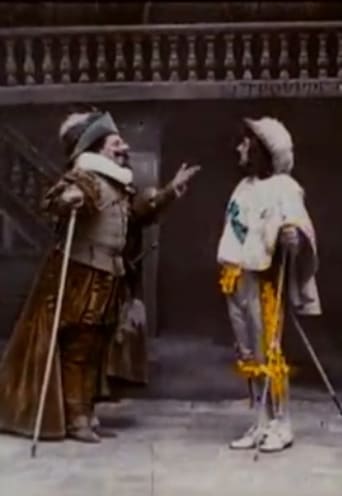
French film director active during the earliest days of cinema around the turn of the 20th century. Working primarily with the Pathé company, Maurice was instrumental in developing narrative film techniques during cinema's transition from simple novelty to storytelling medium. His most significant achievement was directing the 1900 adaptation of 'Cyrano de Bergerac,' which featured the stage actor Benoît-Constant Coquelin reprising his famous theatrical role. This film was as it was one of the first to capture a major theatrical star on screen and adapt a contemporary literary work. Maurice was also known for his technical innovations in early cinema, including experiments with sound synchronization and color processes. Though his active career was brief, spanning roughly 1899 to 1902, his contributions helped establish foundational techniques for narrative filmmaking. His work represents a crucial bridge between theatrical traditions and the emerging art of cinema, capturing performances from stage actors who might otherwise have been lost to history.
The Craft
Behind the Camera
Clément Maurice's directing style was characterized by its theatrical influences, as he often filmed staged performances and captured the dramatic traditions of the French stage. His camera work was typically static, reflecting the proscenium arch approach of theater, but he showed innovation in capturing the nuances of performance. Maurice emphasized the preservation of great theatrical performances for posterity, treating the camera as a recording device for significant cultural works. His direction focused on showcasing star performers and their dramatic abilities rather than developing purely cinematic techniques. Maurice's approach bridged the gap between 19th-century theatrical traditions and 20th-century cinematic innovation, making him an important transitional figure in early film history.
Milestones
- Directed 'Cyrano de Bergerac' (1900) featuring Benoît-Constant Coquelin
- Pioneered early sound synchronization techniques with Pathé
- Collaborated with major theatrical stars of the Belle Époque
- Contributed to development of narrative film techniques
- Worked with Pathé company during its formative years
- Experimented with early color film processes
- Helped establish cinema as a legitimate artistic medium
Best Known For
Must-See Films
Accolades
Special Recognition
- Recognized as a pioneer of French cinema
- His 1900 'Cyrano de Bergerac' preserved in film archives as historically significant
- Credited with capturing the first film performance of a major theatrical star
Working Relationships
Worked Often With
Studios
Why They Matter
Impact on Culture
Clément Maurice played a crucial role in the cultural transition from theater to cinema, helping establish film as a legitimate medium for preserving and disseminating theatrical performances. His 1900 'Cyrano de Bergerac' was particularly significant as it captured. This film helped bridge the cultural gap between legitimate theater and the新兴 medium of cinema, bringing artistic credibility to the new art form. Maurice's work demonstrated that cinema could serve not just as entertainment but as cultural preservation, capturing performances that might otherwise have been lost to history. His collaborations with major theatrical figures helped legitimize cinema in the eyes of the cultural establishment and paved the way for future adaptations of literary and dramatic works.
Lasting Legacy
Clément Maurice's legacy lies in his role as a pioneer who helped establish the foundations of narrative cinema and the adaptation of theatrical works to film. His 1900 'Cyrano de Bergerac' stands as one of the earliest examples of a film adaptation of a contemporary literary work, setting precedents that would influence generations of filmmakers. Maurice's technical innovations in early cinema, particularly his work with sound synchronization, foreshadowed developments that would become standard decades later. His efforts to capture major theatrical performances on film created an invaluable archive of performing arts from the Belle Époque period. While his name may not be as widely recognized as some of his contemporaries, Maurice's contributions to early cinema were significant in establishing film as a medium capable of artistic and cultural significance.
Who They Inspired
Maurice influenced subsequent generations of filmmakers by demonstrating the potential of cinema as a medium for adapting literary and theatrical works. His early experiments with sound synchronization prefigured the eventual transition to sound films in the late 1920s. By successfully capturing major theatrical stars on film, Maurice helped establish the precedent for film's ability to attract and preserve performances from established artists. His work with Pathé contributed to the development of the studio system that would dominate cinema for decades. Maurice's approach to filming theatrical performances influenced the development of cinematic acting styles, as early film actors often drew from theatrical traditions before more naturalistic film acting emerged.
Off Screen
Very little is known about Clément Maurice's personal life, as was common for many early film pioneers whose work was documented but whose private lives remained obscure. He worked during a period when cinema was not yet considered a prestigious art form, and many early filmmakers came from diverse backgrounds including theater, engineering, and photography. Maurice's collaboration with major theatrical figures suggests he had connections within Parisian cultural circles. His career coincided with the Belle Époque period in France, a time of tremendous artistic and cultural innovation in Paris.
Education
Educational background unknown, but his technical innovations suggest training in either photography, engineering, or theatrical production
Did You Know?
- His 1900 'Cyrano de Bergerac' is considered one of the first film adaptations of a contemporary literary work
- The film featured Benoît-Constant Coquelin,
- Maurice experimented with early sound synchronization techniques decades before 'The Jazz Singer'
- He worked during the Belle Époque, a golden age of French culture and arts
- His films are among the earliest examples of preserving theatrical performances for posterity
- Maurice collaborated with both Pathé and Gaumont, two of the most important early film companies
- His 'Cyrano de Bergerac' was color-tinted by hand, an early example of color in cinema
- The film was approximately 2 minutes long, typical of early narrative films
- Maurice's work helped establish Paris as an early center of cinematic innovation
- His films are preserved in various film archives as important historical documents
Frequently Asked Questions
Who was Clément Maurice?
French on YTB.my.' He worked during the earliest days of cinema and was instrumental in developing narrative film techniques and bridging theater and film.
What films is Clément Maurice best known for?
Titles linked here include Cyrano de Bergerac (1900), Le Duel d'Hamlet (1900).
When was Clément Maurice born and when did he die?
Born c. 1863; died 1933.
What awards did Clément Maurice win?
Clément Maurice did not receive formal awards during his lifetime, as the film industry's award systems had not yet been established. However, he is recognized posthumously as an important pioneer of French cinema, and his 1900 'Cyrano de Bergerac' is preserved as a historically significant film.
What was Clément Maurice's directing style?
Maurice's directing style was heavily influenced by theater, featuring static camera work that captured staged performances. He emphasized preserving theatrical performances for posterity and focused on showcasing star actors' dramatic abilities, bridging 19th-century theatrical traditions with emerging cinematic techniques.
Why is Clément Maurice important in film history?
Maurice is important for his role in early cinema development, particularly for adapting literary works to film and capturing major theatrical stars on screen. His 1900 'Cyrano de Bergerac' represents one of the earliest examples of film preserving significant cultural performances and helped establish cinema as a legitimate artistic medium.
Did Clément Maurice work with any famous actors?
Yes, Maurice worked with some of the most famous theatrical actors of his time, most notably Benoît-Constant Coquelin in 'Cyrano de Bergerac.' He also collaborated with Sarah Bernhardt and other major figures of the French stage during the Belle Époque period.