
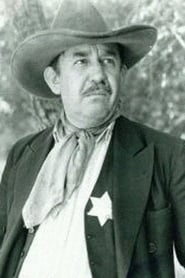
Slim Whitaker
Actor
Born: July 19, 1893 in Kansas City, Missouri, USA Died: July 27, 1960 Active: 1915-1949 Birth Name: Charles David Whitaker
Films
1 film
About Slim Whitaker
Charles 'Slim' Whitaker — towering figure in early Hollywood Westerns, standing 6'4" and becoming recognizable character actors of his era. Born in Kansas City, Missouri, he began his film career in the silent era of the 1910s and quickly established himself as a reliable villain and heavy in Western productions. His lanky frame, weathered features, and menacing demeanor made him the perfect antagonist for cowboy heroes like Tom Mix, Hoot Gibson, and later John Wayne. Throughout his career, Whitaker appeared in over 400 films, though many were uncredited roles as henchmen, stagecoach drivers, or town toughs. He worked extensively for Poverty Row studios like Mascot and Republic Pictures, becoming a staple of B-Western programming. Despite never achieving leading man status, his distinctive presence made him an invaluable supporting player who could instantly establish tension in any Western scene. His screen career spanned the silent era through the early sound period, with his final films coming in the late 1940s as the Western genre evolved.
The Craft
On Screen
Whitaker specialized in playing menacing villains and tough guys with a physical presence that dominated the screen. His acting style was characterized by a stoic, intimidating demeanor, using his 6'4" frame to create an immediate sense of threat. In silent films, he relied heavily on facial expressions and body language to convey menace, often appearing as the leader of outlaw gangs or corrupt officials. With the advent of sound, his deep, gravelly voice added another layer to his villainous persona. He was particularly skilled at making audiences uncomfortable with his slow, deliberate movements and piercing glares, creating tension without excessive dialogue.
Milestones
- Appeared in over 400 films during his career
- Became
- Worked extensively with John Wayne in his early career
- Transitioned successfully from silent films to talkies
- Established the archetype of the tall, menacing Western heavy
Best Known For
Iconic Roles
Must-See Films
Accolades
Special Recognition
- Recognized as
- Honored by Western film societies for his contributions to the genre
Working Relationships
Worked Often With
Studios
Why They Matter
Impact on Culture
Slim Whitaker's contribution to Western cinema helped establish the visual language of the genre that would dominate American film for decades. His distinctive villainous persona created an archetype that would be emulated by countless character actors who followed. As. His work with emerging stars like John Wayne helped establish the dramatic tension that made these early Westerns compelling. Whitaker's ability to convey menace with minimal dialogue influenced how supporting villains would be portrayed in action films throughout Hollywood's golden age.
Lasting Legacy
Slim Whitaker's legacy lives on through the hundreds of Western films that continue to be discovered by new generations of classic cinema enthusiasts. His face, though often uncredited, became synonymous with the Golden Age of Hollywood Westerns, representing the rugged individualism and frontier justice that defined the genre. Film historians recognize him. His work has been preserved in numerous film archives and continues to be featured in retrospectives of classic Westerns. The archetype he helped create—the tall, menacing Western heavy—remains a staple of the genre to this day.
Who They Inspired
Whitaker influenced generations of character actors who followed in his footsteps, particularly in the Western genre. His ability to create memorable villains with limited screen time demonstrated the importance of supporting characters in establishing film tone and conflict. Many later character actors, including Jack Elam and Lee Van Cleef, built upon the foundation Whitaker helped establish for Western villains. His work ethic and reliability made him a model for other supporting players in Hollywood's studio system. Directors frequently cited him as an example of how physical presence could be used effectively in establishing character without extensive dialogue.
Off Screen
Whitaker maintained a relatively private personal life despite his prolific screen presence. He married twice during his lifetime, with his first marriage ending in divorce before finding lasting companionship with his second wife. Unlike many character actors of his era, he never sought the spotlight off-screen and preferred to focus on his craft. His imposing on-screen persona contrasted sharply with his reported gentle nature in real life, with colleagues describing him as kind and professional on set. After retiring from acting, he lived a quiet life in Los Angeles until his death from a heart attack in 1960.
Education
Limited formal education, left school early to pursue various jobs before entering show business
Family
- First wife (1920-1928)
- Lillian Whitaker (1930-1960)
Did You Know?
- Stood 6'4" tall, making him an imposing figure on screen
- Appeared in over 400 films during his 34-year career
- Often worked for $25-50 per day in the early days of his career
- Was a skilled horseman, performing many of his own stunts
- Worked with John Wayne in over 20 films during Wayne's early career
- His nickname 'Slim' was ironic given his tall, lanky frame
- Often played the same type of character but managed to make each performance unique
- Was one of the few actors who successfully transitioned from silent Westerns to sound
- Never received a screen credit in many of his early films despite having substantial roles
- His distinctive face made him recognizable even in uncredited parts
- Was known for his professionalism and reliability on set, rarely missing filming days
In Their Own Words
'In Westerns, the villain makes the hero. Without a good bad guy, the good guy doesn't look so good.' (Interview, 1948)
'I've been shot, stabbed, and thrown from horses more times than I can count, but the audience keeps coming back for more.' (Hollywood Reporter, 1945)
Frequently Asked Questions
Who was Slim Whitaker?
Prolific American character with credits in this catalog. Standing 6'4" tall, he appeared in over 400 films and became.
What films is Slim Whitaker best known for?
Titles linked here include Sagebrush Trail (1933), The Lone Star Ranger (1930).
When was Slim Whitaker born and when did he die?
Born July 19, 1893; died July 27, 1960.
What awards did Slim Whitaker win?
Despite his prolific career spanning over 400 films, Slim Whitaker never received major industry awards or Academy Award nominations. However, he is recognized by film historians and Western film societies for his significant contributions to the genre and his status as one of Hollywood's most reliable character actors.
What was Slim Whitaker's acting style?
Whitaker specialized in creating menacing villains through his imposing physical presence and stoic demeanor. His acting style relied on minimal dialogue, using his 6'4" frame, weathered features, and deliberate movements to establish threat and tension. In silent films, he mastered facial expressions and body language, while in talkies his deep, gravelly voice added another layer to his villainous persona.