Crane Whitley
Actor
Born: December 26, 1894 in Philadelphia, Pennsylvania, USA Died: June 12, 1954 Active: 1939
Films
1 film
About Crane Whitley
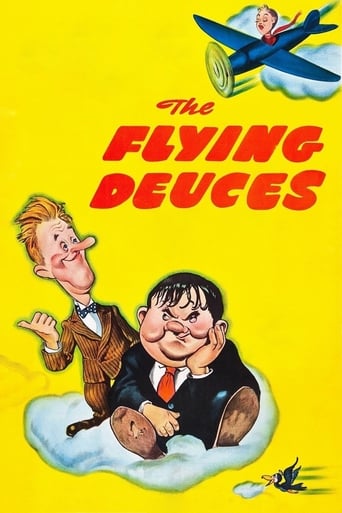
Crane Whitley appeared in films during the late 1930s, a period marking the transition from the Golden Age of Hollywood into the war era. His career, while brief, placed him within the studio system at a time when character actors were essential to the fabric of cinema. Whitley is known to have worked primarily in supporting roles, often uncredited, which was common for many actors building their careers in the bustling Hollywood of the time. His most documented and recognizable role was in the 1939 Laurel and Hardy comedy classic 'The Flying Deuces,' where he played the character of a Foreign Legionnaire. This film, one of the duo's most famous features, provides the primary source of information about his screen work. Beyond this single credited role, the full extent of his filmography remains largely obscure, suggesting his career may have been limited to a very short period or consisted of numerous uncredited parts. As a result, Crane Whitley represents the many talented individuals who contributed to classic Hollywood films but whose personal stories and careers were not extensively recorded by history.
The Craft
On Screen
Based on his appearance in 'The Flying Deuces,' Crane Whitley's acting style was typical of a studio character actor of the era. He delivered his lines clearly and with a certain stoic presence required for his role as a Foreign Legionnaire. His performance was functional and served the narrative without drawing undue attention, effectively blending into the ensemble to support the film's stars.
Milestones
- Appeared in the Laurel and Hardy classic 'The Flying Deuces' (1939) in a credited supporting role.
Best Known For
Iconic Roles
Must-See Films
Working Relationships
Worked Often With
Studios
Why They Matter
Impact on Culture
Crane Whitley's cultural impact is intrinsically linked to his participation in 'The Flying Deuces,' a film that has endured as a beloved piece of comedy history. As a supporting actor in a Laurel and Hardy film, he contributed to a work that continues to be celebrated and broadcast worldwide, introducing new generations to the iconic comedy duo. While his individual contribution was minor, he is part of the tapestry of talent that made such classic films possible. His presence in the film serves as a reminder of the countless dedicated character actors who formed the backbone of Hollywood's Golden Age, ensuring the seamless execution of cinematic storytelling.
Lasting Legacy
Crane Whitley's legacy is that of a representative figure from the vast pool of Hollywood's working actors from the studio era. He is remembered not for a star persona, but for the single, documented role that places him within the context of a beloved classic. His story highlights the transient nature of many acting careers in early Hollywood, where many appeared in a handful of films before fading into obscurity. For film historians and Laurel and Hardy enthusiasts, he is a point of interest, a name in the credits that prompts curiosity about the lives of the many unheralded contributors to cinema's greatest treasures.
Who They Inspired
Due to the brevity of his documented film career, there is no evidence to suggest that Crane Whitley directly influenced other actors or directors in a significant or documented way. His influence is, instead, passive. By contributing to a successful and enduring film, he played a small part in the comedic landscape that would influence future generations of comedians and filmmakers. He stands as an example of the journeyman actor whose work, while not individually celebrated, collectively shaped the quality and character of classic Hollywood cinema.
Off Screen
Details about Crane Whitley's personal life are scarce, as he was not a major public figure. He was born in Philadelphia, Pennsylvania, at the close of the 19th century. He passed away in Los Angeles County, California, in 1954 at the age of 59. Information regarding his family life, relationships outside of his brief film career, and personal interests has not been widely documented in historical records.
Did You Know?
- His entire known credited filmography consists of a single film, 'The Flying Deuces' (1939).
- He was 44 years old when he appeared in 'The Flying Deuces'.
- Despite being American-born, he played a French Foreign Legionnaire alongside the American comedy duo Laurel and Hardy.
- He died 15 years after his only known film appearance was released.
- His character in 'The Flying Deuces' is part of the group that attempts to escape the Legion with Stan and Ollie.
- The film 'The Flying Deuces' is famous for its musical number 'Shine On Harvest Moon' and its recurring gag involving a plane.
In Their Own Words
In 'The Flying Deuces', his character is part of the group dialogue, but he has no standout solo lines that are commonly quoted. His lines are functional to the plot, such as responding to the Sergeant's orders.
Frequently Asked Questions
Who was Crane Whitley?
American with credits in this catalog. He is best known for his credited role as a Foreign Legionnaire in the 1939 Laurel and Hardy comedy film, 'The Flying Deuces.' His career appears to have been very brief, with this film being his only documented screen appearance.
What films is Crane Whitley best known for?
Titles linked here include The Flying Deuces (1939).
When was Crane Whitley born and when did he die?
Born December 26, 1894; died June 12, 1954.
What awards did Crane Whitley win?
There are no records of Crane Whitley receiving any major awards or nominations for his work in film. His contribution was as a supporting actor in a single feature film.
What was Crane Whitley's acting style?
Based on his role in 'The Flying Deuces,' Crane Whitley's acting style was that of a professional studio character actor. He delivered a competent, straightforward performance that effectively supported the film's stars and narrative without drawing focus from the main comedic action.