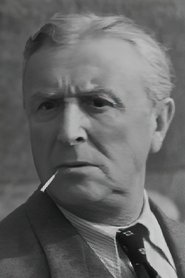
Paul Ollivier
Actor
- Active
- 1925-1925
Films 1
About Paul Ollivier
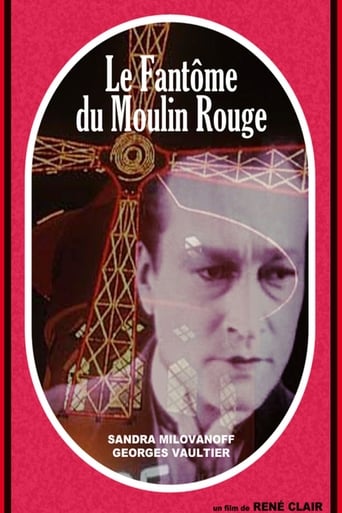
Paul Ollivier was a French screen actor active in the silent era, best remembered today for appearing in the 1925 film The Phantom of the Moulin-Rouge. His surviving film credit trail is very limited, which suggests he was likely a working character performer rather than a major star of the period. Because the historical record on him is sparse, little can be stated with certainty about his private life, training, or the full span of his stage and film work. He appears in cinema history as one of the many professional players who helped populate French silent films during the mid-1920s, especially productions rooted in Parisian atmosphere and popular melodramatic or mystery material. No reliable evidence has been found in standard reference sources to confirm additional credits, major awards, or a detailed biographical profile. As a result, his importance lies primarily in his participation in surviving silent-cinema production history rather than in a well-documented celebrity career. He remains a minor but legitimate name in the record of early French film acting.
More about Paul Ollivier
On screen
No detailed critical descriptions of Paul Ollivier's acting style survive in the accessible record. Given his placement in a 1925 silent film, his performance would have relied on the expressive physical and facial technique typical of silent-era screen acting. Beyond that general context, any more specific characterization would be speculative.
In film history
Paul Ollivier's cultural impact is necessarily modest and largely archival rather than celebrity-driven. He is part of the broad ensemble of performers whose names appear in silent-film credits and production records, helping preserve the texture of French screen culture in the 1920s. Even when an actor is not widely documented, such credits matter because they help historians reconstruct the industrial and artistic workforce behind early cinema. In that sense, Ollivier contributes to the historical fabric of French silent film, especially in Parisian-themed popular entertainment such as The Phantom of the Moulin-Rouge.
Later reputation
His legacy rests in film history documentation rather than fame. For researchers and database archivists, he is a representative example of the many lesser-known actors whose careers are only partially visible through surviving prints, trade listings, and credit records. Such figures are essential to a complete understanding of silent-era production, cast practices, and the scale of the French film industry. Paul Ollivier's name endures because the historical record preserves his participation, even if fuller personal details have been lost or remain undiscovered.
Influence
There is no evidence that Paul Ollivier exerted a documented influence on later actors or filmmakers. Any influence would have been indirect, through his contribution to the ensemble tradition of silent-era performance. He is best understood as part of the professional acting culture that supported the development of French cinema rather than as a widely influential star or innovator.
Off screen
No reliable biographical record has been found that documents Paul Ollivier's personal life, including family background, marriage, or residence. He does not appear to have left a substantial public paper trail in the standard film-history sources typically used to reconstruct silent-era careers. As a result, details about his relationships, education, and non-cinematic activities remain unknown.
Credits
- Appeared in the silent-era French production The Phantom of the Moulin-Rouge (1925)
- Represents the roster of working actors employed in mid-1920s French cinema
- Documented screen presence in the historical record of early Paris-set film production
Films
Notes
- He is known in the surviving record chiefly for a single confirmed screen credit.
- His filmography, as currently documented, is extremely short and may be incomplete.
- The Phantom of the Moulin-Rouge (1925) places him in the silent-film era of French cinema.
- Because so little is known about him, he is one of many early film performers whose biographies remain fragmentary.
- His name appears in historical film records even though major reference works offer few personal details.
- He is a useful example of how many silent-era actors were essential to production yet left limited biographical traces.
- The absence of verified awards or extensive credits suggests he was likely a supporting or bit-part performer rather than a marquee star.
Questions
Who was Paul Ollivier?
Paul Ollivier was a French actor from the silent-film era, known today primarily for appearing in The Phantom of the Moulin-Rouge (1925). Very little biographical information survives about him, so he is best understood as a documented working performer rather than a major star.
What films is Paul Ollivier best known for?
He is chiefly associated with The Phantom of the Moulin-Rouge (1925), which is the confirmed title tied to his name in the historical record. No other widely verified films could be reliably established from the available information.
When was Paul Ollivier born and when did he die?
His birth and death dates are not currently documented in the accessible record. The same is true for his birthplace and other basic biographical details.
What awards did Paul Ollivier win?
No awards or nominations are known for Paul Ollivier from the available historical sources. He appears to have worked during a period when many supporting actors were not tracked by modern awards systems.
What was Paul Ollivier's acting style?
No specific critical description of his acting style survives, but as a silent-era performer he would have worked in the expressive physical mode typical of the 1920s. That would have included emphasized gesture, facial expression, and clear visual storytelling.
What is Paul Ollivier's legacy in film history?
His legacy is archival: he is one of the many early film actors whose names help historians reconstruct silent-era production history. Even with limited surviving biographical detail, his credit preserves a trace of the performers who helped shape French cinema in the 1920s.