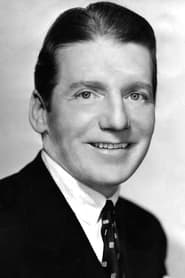
Frank Fay
Actor
Born: November 17, 1891 in San Francisco, California, USA Died: September 25, 1961 Active: 1915-1937 (film), 1910s-1940s (stage) Birth Name: Francis Anthony Donner
Films
3 films

About Frank Fay
Frank Fay, born Francis Anthony Donner, was a prominent American vaudeville performer and film actor during the transition from silent films to talkies. He began his career as a monologist in vaudeville, known for his sophisticated, witty delivery and elegant stage presence, which made him a natural fit for early sound films. His breakthrough came with Warner Bros.' lavish all-star revue 'The Show of Shows' in 1929, where he served as the master of ceremonies, showcasing his polished speaking voice and charismatic personality. Throughout the early 1930s, he appeared in several films, often playing suave, sophisticated characters, though his film career never reached the heights of his stage success. His personal life, particularly his tumultuous marriage to Barbara Stanwyck, often overshadowed his professional achievements. By the mid-1930s, his career was in decline due to his struggles with alcoholism and increasingly difficult behavior on set. His final notable film appearance was in the screwball comedy 'Nothing Sacred' in 1937, after which he largely retired from acting, making only occasional appearances in later years.
The Craft
On Screen
Fay was known for his sophisticated, urbane delivery and polished speaking voice, which made him ideal for the transition to sound films. His vaudeville background gave him a theatrical, slightly exaggerated style that worked well in early talkies but seemed dated as film acting evolved. He specialized in playing elegant, witty gentlemen and masters of ceremonies, using his natural charm and quick timing to captivate audiences.
Milestones
- Starred as Master of Ceremonies in 'The Show of Shows' (1929)
- Married Barbara Stanwyck (1928-1935)
- Successful vaudeville career before films
- Appeared in 'Nothing Sacred' (1937)
- Pioneered the sophisticated monologue style in early talkies
Best Known For
Iconic Roles
Must-See Films
Accolades
Special Recognition
- Hollywood Walk of Fame star (located at 6925 Hollywood Boulevard)
Working Relationships
Worked Often With
Studios
Why They Matter
Impact on Culture
Frank Fay represents an important transitional figure in Hollywood history, bridging the gap between vaudeville theater and early sound cinema. His sophisticated monologue style and polished delivery helped establish the template for the leading man in early talkies, demonstrating how stage performers could successfully transition to film. His role as master of ceremonies in 'The Show of Shows' exemplified the kind of elegant, theatrical presentation that characterized early sound film productions. While his personal demons limited his career longevity, his early work influenced how Hollywood approached the casting of sophisticated, urbane male leads in the early sound era.
Lasting Legacy
Despite his relatively brief film career, Frank Fay's legacy endures through his contributions to early sound cinema and his role in Hollywood's transition from silent to talking pictures. His marriage to Barbara Stanwyck remains one of Hollywood's most documented and analyzed relationships, often cited as an example of the personal costs of fame in classic Hollywood. His work in vaudeville and early films helped establish conventions for sophisticated male leads that would influence actors like Cary Grant and William Powell. His star on the Hollywood Walk of Fame ensures his place in Hollywood history, though his story serves as a cautionary tale about the challenges faced by stage actors adapting to the new medium of sound film.
Who They Inspired
Fay's theatrical, polished style influenced the development of the sophisticated leading man archetype in early sound cinema. His success excelled in ceremonies in all-star productions paved the way for similar formats in Hollywood revues. While his direct influence on later actors was limited due to his career decline, his early work demonstrated how vaudeville techniques could be adapted for film, influencing performers transitioning from stage to screen. His personal struggles also served as a cautionary example for Hollywood about the destructive potential of alcoholism and personal instability on a promising career.
Off Screen
Frank Fay's personal life was marked by both professional success and personal turmoil. He married actress Barbara Stanwyck in 1928, and their relationship was one of Hollywood's most talked-about unions, though it was troubled by Fay's alcoholism and abusive behavior. The couple adopted a son, Dion Anthony Fay, in 1932, but their marriage ended in divorce in 1935. After Stanwyck, Fay had two more marriages, both ending in divorce. His later years were marked by declining health and financial difficulties, and he died relatively obscure in 1961.
Education
Attended local schools in San Francisco, largely self-educated through vaudeville experience
Family
- Barbara Stanwyck (1928-1935)
- Frances White (1937-1941)
- Olga Rostova (1946-1949)
Did You Know?
- Was one of the highest-paid vaudeville performers before transitioning to films
- His birth name was Francis Anthony Donner, but he changed it to Frank Fay for show business
- Was reportedly abusive and alcoholic during his marriage to Barbara Stanwyck
- Adopted a son with Stanwyck who later claimed he was their biological child
- His vaudeville act was known for its sophisticated, adult-oriented humor
- Was originally considered for the lead in 'The Jazz Singer' but lost the role to Al Jolson
- His alcoholism was so severe that it often interfered with film productions
- After his film career ended, he attempted comebacks in nightclubs and television
- Was known for his impeccable dress sense and elegant personal style
- His final years were spent in relative obscurity in Santa Monica, California
In Their Own Words
In vaudeville, you had to be perfect every night. One bad show and you were finished.
The microphone changed everything. Suddenly, how you sounded was more important than how you looked.
Hollywood can make you a star overnight and break you just as fast.
Frequently Asked Questions
Who was Frank Fay?
American vaudeville performer and early film with credits in this catalog.
What films is Frank Fay best known for?
Titles linked here include The Show of Shows (1929), Nothing Sacred (1937).
When was Frank Fay born and when did he die?
Born November 17, 1891; died September 25, 1961.
What was Frank Fay's relationship with Barbara Stanwyck?
Frank Fay was married to legendary actress Barbara Stanwyck from 1928 to 1935. Their marriage was highly publicized but troubled, ending in divorce due to Fay's alcoholism and abusive behavior.