Films
1 film
About Nina Nikitina
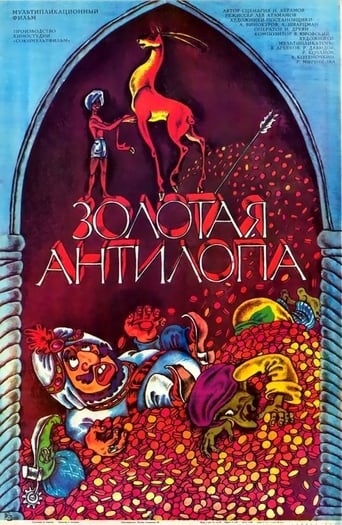
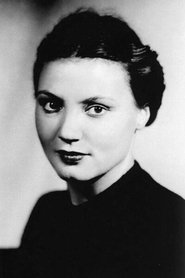
Soviet actress who emerged during the mid-20th century, marking her presence in Russian cinema with a notable performance in the animated classic 'The Golden Antelope' (1954). Her career, though brief, coincided with the golden era of Soviet animation, where she contributed her voice talents to beloved fairy tale adaptations of the period. Working at the Soyuzmultfilm studio, the premier animation house in the USSR, Nikitina became part of a creative movement that produced enduring children's classics. Her role as the voice of the kind-hearted girl who helps the magical antelope showcased her ability to convey warmth and innocence through vocal performance. Despite her limited filmography that appears to span only 1954, her contribution on generations of Soviet children who grew up with the film. The animated feature itself was directed by Lev Atamanov, one of the pioneers of Soviet animation, suggesting Nikitina worked with top-tier talent. Her legacy remains tied to this single but significant work that continues to be celebrated in Russian film history.
The Craft
On Screen
Nikitina's acting style was characterized by a gentle, warm vocal delivery perfectly suited for children's animation. Her voice work in 'The Golden Antelope' demonstrated a natural ability to convey innocence and kindness, essential qualities for the protagonist of a fairy tale. Her performance aligned with the Soviet tradition of clear, expressive voice acting that emphasized moral clarity and emotional accessibility for young audiences.
Milestones
- Voice performance in 'The Golden Antelope' (1954)
- Work at Soyuzmultfilm studio during its golden age
- Contribution to Soviet animated fairy tale tradition
Best Known For
Iconic Roles
Must-See Films
Working Relationships
Worked Often With
Studios
Why They Matter
Impact on Culture
Nina Nikitina's cultural impact is intrinsically linked to 'The Golden Antelope,'. Through her voice performance, she helped bring to life a story that became a cornerstone of childhood for millions of Soviet children, teaching values of kindness and compassion. The film itself was part of a broader Soviet initiative to create high-quality animated content that could compete with Disney while promoting socialist values. Nikitina's contribution, though as a single voice in a collaborative medium, represents the collective effort of Soviet artists to create enduring cultural artifacts that transcended their time and continue to be celebrated in post-Soviet Russia.
Lasting Legacy
Nina Nikitina's legacy persists through the continued popularity and cultural significance of 'The Golden Antelope' in Russian-speaking countries. While her name may not be widely recognized, her voice remains immortalized in a film that has been broadcast repeatedly on television for decades, introducing each new generation to the magical story. The film itself has been preserved and restored as part of Russia's cinematic heritage, ensuring that Nikitina's contribution to animation history will not be forgotten. Her work stands as proof of the importance of voice actors in bringing animated characters to life and creating lasting emotional connections with audiences.
Who They Inspired
As a voice actress in a seminal work of Soviet animation, Nina Nikitina influenced subsequent generations of Russian voice actors who worked in children's programming. Her natural, heartfelt delivery style became a model for how to approach voice work in fairy tale adaptations, emphasizing authenticity and emotional connection over theatricality. While she may not have directly mentored others, her performance in 'The Golden Antelope' serves as an example of effective voice acting that continues to be studied and appreciated by animators and voice actors in Russia today.
Off Screen
Very little is documented about Nina Nikitina's personal life, which was not uncommon for voice actors in Soviet cinema, particularly those who worked primarily in animation. Her brief appearance in the film record suggests she may have been primarily a stage actor or had a career outside of cinema, with 'The Golden Antelope' being her only known film credit. The lack of biographical information is typical for many supporting artists in the Soviet film industry of this period.
Did You Know?
- 'The Golden Antelope' was based on an Indian fairy tale, making it one of the early Soviet animations to draw from non-Russian folklore
- The film was directed by Lev Atamanov, who also directed the famous Soviet animation 'The Snow Queen' (1957)
- Soyuzmultfilm, where Nikitina worked, was considered the Soviet equivalent of Disney during its peak
- The animation techniques used in 'The Golden Antelope' were considered groundbreaking for their time in the USSR
- The film's music was composed by Vladimir Yarosh, who created many memorable scores for Soviet animations
- Despite being a Soviet production, the film's Indian setting and themes made it popular internationally
- The story promotes themes of kindness and helping others, reflecting socialist values in an accessible format for children
Frequently Asked Questions
Who was Nina Nikitina?
Soviet voice actress best known for her performance in the 1954 animated film 'The Golden Antelope.' She worked during the golden age of Soviet animation at the renowned Soyuzmultfilm studio, contributing to.
What films is Nina Nikitina best known for?
Titles linked here include The Golden Antelope (1954).
When was Nina Nikitina born and when did she die?
Unfortunately, specific birth and death dates for Nina Nikitina are not documented in available historical records. This lack of biographical information is not uncommon for supporting voice actors in Soviet cinema of this period.
What awards did Nina Nikitina win?
There are no documented awards or nominations specifically for Nina Nikitina's performance. However, 'The Golden Antelope' itself became a classic of Soviet animation and continues to be recognized as an important work in Russian film history.
What was Nina Nikitina's acting style?
Nikitina's voice acting style was characterized by warmth, gentleness, and natural emotion, perfectly suited for children's fairy tale animation. Her performance in 'The Golden Antelope' demonstrated a clear, expressive delivery that conveyed innocence and kindness, aligning with Soviet animation traditions of moral clarity and accessibility for young audiences.