Films
2 films
About Mabel Kelly
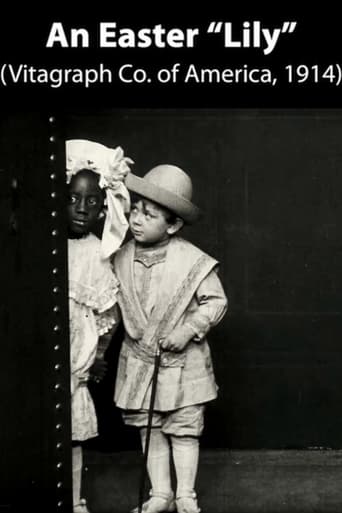
Actress during the early silent film era who had a notably brief career spanning just two years from 1914 to 1915. Mabel appears in at least two short films during this period, 'An Easter Lily' in 1914 and 'Sonny Jim and the Amusement Company, Ltd.' in 1915. Like many actors of this era, her work was in the medium of short films that were typical of the period before feature-length productions became standard. Her career coincided with the rapid expansion of the American film industry as it was transitioning from its earliest experimental phase to becoming a major commercial enterprise. Unfortunately, like many performers from this very early period of cinema, comprehensive records about her life and career are scarce, making her one of the many forgotten figures who contributed to the foundation of film history. Her brief appearance in the film industry represents the transient nature of early film careers, where many actors appeared in only a handful of productions before moving on to other pursuits.
The Craft
Milestones
- Appeared in 'An Easter Lily' (1914)
- Appeared in 'Sonny Jim and the Amusement Company, Ltd.' (1915)
Best Known For
Must-See Films
Why They Matter
Impact on Culture
Mabel Kelly represents the countless anonymous performers who contributed to the foundation of early American cinema during its formative years. While her individual impact may be difficult to trace due to the scarcity of surviving records and films from this period, she was part of the generation of actors who helped establish the language of screen performance during the transition from stage to film. Her work in the mid-1910s came during a crucial period when cinema was evolving from novelty entertainment to a legitimate art form, and every performer, no matter how briefly their career lasted, played a role in this transformation. The very fact that her name survives in filmographic databases, however limited the information, demonstrates the ongoing effort by film historians to preserve the memory of these early pioneers.
Lasting Legacy
Mabel Kelly's legacy is primarily that of a representative figure from the earliest days of American cinema, illustrating how many performers contributed to the medium's development despite having only brief careers. Her surviving film credits serve as historical markers of the types of short-form productions that dominated the industry in the mid-1910s. While she may not have achieved lasting fame, her inclusion in filmographic databases ensures that her contribution to early cinema is not entirely forgotten, providing future generations with a more complete picture of the industry's earliest years. Her story highlights the transient nature of early film careers and the challenges of documenting the lives of performers who worked before systematic record-keeping became standard in Hollywood.
Who They Inspired
Due to the extremely limited documentation of Mabel Kelly's career and the apparent brevity of her time in the film industry, there is no available evidence of direct influence on other actors or filmmakers. However, like all performers of her era, she contributed to the collective development of screen acting techniques that would later be refined and codified by more famous figures. The very act of performing on camera during this period helped establish conventions that would influence generations of actors to follow, even if individual contributions from performers like Kelly cannot be specifically traced.
Did You Know?
- Mabel Kelly's entire known filmography consists of only two films from 1914-1915
- She worked during the transitional period when films were evolving from one-reel shorts to longer narratives
- Like many early film actors, her career predated the Hollywood studio system that would later dominate the industry
- Her films were produced during World War I, a period that saw significant growth in American film production
- The scarcity of information about her reflects the limited record-keeping for early film performers
- Her active years covered the period before the star system was fully established in Hollywood
- She represents the many anonymous actors who populated early American films
- Both of her known films are shorts, typical of the era's production format
- Her career ended before the transition to feature-length films became standard
- She worked in cinema during the silent era, before synchronized sound was introduced
Frequently Asked Questions
Who was Mabel Kelly?
Actress during the early silent film era who had a brief career spanning 1914-1915. She appeared in at least two short films, 'An Easter Lily' (1914) and 'Sonny Jim and the Amusement Company, Ltd.' (1915), representing the many anonymous performers who contributed to early American cinema.
What films is Mabel Kelly best known for?
Titles linked here include An Easter Lily (1914), Sonny Jim and the Amusement Company, Ltd. (1915).
When was Mabel Kelly born and when did she die?
Unfortunately, there are no available records of Mabel Kelly's birth date, death date, or birthplace. This lack of biographical information is common for many early film performers who had brief careers before systematic record-keeping became standard in Hollywood.
What awards did Mabel Kelly win?
There are no records of Mabel Kelly receiving any awards or nominations. This is not surprising given her very brief career in the mid-1910s, before major film awards like the Academy Awards were established (the first Oscars were presented in 1929).
What was Mabel Kelly's acting style?
There are no surviving detailed descriptions of Mabel Kelly's acting style or techniques. Like many performers from this very early period of cinema, her work has not been extensively documented in film historical sources, and her films themselves may not survive for contemporary analysis.