Fred Sauer
Actor
- Active
- 1913-1913
Films 2
About Fred Sauer
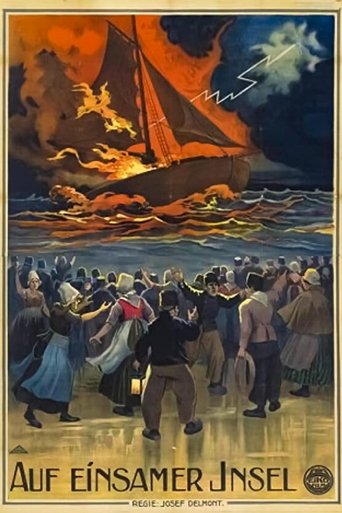
Fred Sauer is an obscure silent-era screen actor whose surviving filmography places him briefly in American cinema in 1913. He is credited as appearing in The Mysterious Club (1913) and On a Lonely Island (1913), but very little biographical information about him has survived in standard film reference sources. Because his career is documented only through a small number of early credits, it is likely that he was one of the many performers who worked intermittently in the rapidly expanding film industry of the 1910s and then disappeared from the record. No widely verified details have been found for his birth, death, family background, education, or later life, which is common for minor players from the earliest silent period. He should not be confused with the better-known film director Fred Sauer, who had a substantial career behind the camera later in the silent era and into the sound period. As an actor, Fred Sauer belongs to the category of early cinema personnel whose names are preserved mainly in filmographies rather than in fuller biographical histories. His surviving record is valuable chiefly as part of the documentary fabric of American silent film history.
More about Fred Sauer
In film history
Fred Sauer's cultural impact lies less in celebrity than in documentation: he is part of the large body of early film workers whose names help reconstruct the silent-era production ecosystem. His screen presence in 1913 connects him to a formative moment when short subjects and quickly produced dramas were establishing the industrial grammar of American cinema. Although he does not appear to have left a major star persona or a long list of surviving credits, his recorded participation helps historians map cast lists, production networks, and performance labor in the earliest years of Hollywood and American film centers. Performers like Sauer are essential to understanding how cinema was staffed before the studio-star system fully solidified. In that sense, his importance is historical and archival rather than celebrity-based.
Later reputation
Fred Sauer's legacy is as a documented name from the silent era rather than as a widely celebrated screen figure. For historians and database researchers, his credits are a reminder that early film history is built not only on major stars and directors but also on many lesser-known actors whose work survives only in fragmentary form. His name helps preserve the completeness of early film credits and supports accurate scholarship about silent-era production. Because so little biographical information survives, his legacy is inseparable from the archival challenge of identifying and distinguishing individuals with the same or similar names. He remains a small but legitimate part of classic cinema's historical record.
Influence
There is no documented evidence that Fred Sauer directly influenced later actors or directors in a traceable way. His influence is indirect, through the preservation of early performance records that inform modern scholarship on silent cinema. In that broader sense, his career contributes to the understanding of how early film ensembles functioned and how actors participated in short-form narrative filmmaking before standardized stardom and method-driven screen performance became dominant. Any influence he may have had was likely local and unrecorded.
Off screen
No reliable public information has been located regarding Fred Sauer's personal life. His marriages, family relationships, domestic life, and later years are not documented in the accessible classic-cinema reference trail associated with his known acting credits. Like many minor silent-era players, he appears in film records without the fuller biographical material that survives for more prominent stars. At present, any claims about his private life would be speculative and are therefore not included here.
Credits
- Appeared in the silent film The Mysterious Club (1913)
- Appeared in the silent film On a Lonely Island (1913)
- Represents one of the many early, sparsely documented performers active during the formative years of American silent cinema
- Surviving credit history places him in the 1913 production landscape of short-format silent films
Films
- The Mysterious Club (1913)
- On a Lonely Island (1913)
Notes
- His known screen work currently appears to consist of only two 1913 film credits.
- He is easy to confuse with the more prominent silent-era and early sound film director Fred Sauer, so careful identification is important.
- His surviving record illustrates how many early film actors worked for only a short time before disappearing from the documentary trail.
- The two known titles associated with him are both from the same year, suggesting a very brief or poorly documented acting phase.
- He is the kind of performer often preserved in cast lists rather than in biographical profiles.
- Because he is so sparsely documented, he is a useful example of the limitations of early film record-keeping.
- His known filmography belongs to the era when silent shorts and modest dramas were a major part of film production.
Questions
Who was Fred Sauer?
Fred Sauer was a little-documented silent-era film actor known from surviving credits in 1913. He is associated with The Mysterious Club and On a Lonely Island, but very little else is reliably known about his life or career.
What films is Fred Sauer best known for?
He is best known for the two surviving credits attributed to him: The Mysterious Club (1913) and On a Lonely Island (1913). These appear to be the only widely documented film appearances currently associated with his name.
When was Fred Sauer born and when did he die?
His birth and death dates are not currently known from reliable surviving sources. The available record is too sparse to establish verified details about his life span.
What awards did Fred Sauer win?
No awards, nominations, or honors have been reliably documented for Fred Sauer. He appears in the historical record as a minor silent-era actor rather than as a decorated or widely celebrated star.
What was Fred Sauer's acting style?
There is not enough surviving documentation to describe a distinctive acting style with confidence. As a 1913 silent-era performer, he would have worked within the expressive, gesture-based performance conventions of early film acting.
What is Fred Sauer's legacy in film history?
His legacy is archival: he helps preserve the completeness of silent-era cast records and reminds researchers how many early performers remain only partially documented. Even without fame, his name contributes to the broader history of early American cinema.