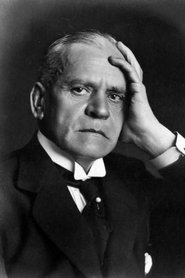
Albin Lavén
Actor
Born: June 1, 1861 in Stockholm, Sweden Died: March 8, 1944 Active: 1880s-1944 (theater), 1917 (film)
Films
4 films
About Albin Lavén
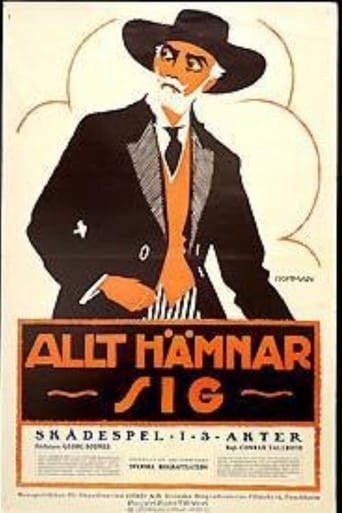
Made a brief but notable appearance in early Swedish cinema during the silent era. Born in Stockholm in 1861, he built his reputation primarily through theater performances spanning over three decades before transitioning to film. Lavén — prominent figure in the Swedish theatrical scene, known for his powerful stage presence and dramatic interpretations. His career peaked during the late 19th and early 20th centuries when he was considered one of Sweden's finest character actors. The 1917 film 'Allt hämnar sig' represents one of his rare forays into the emerging medium of cinema, capturing his theatrical prowess for posterity. Despite his limited filmography, Lavén's contribution to Swedish performing arts was significant, bridging the gap between traditional theater and the new art form of cinema. He continued his stage work well into his later years, maintaining his status as a respected elder statesman of Swedish theater until his death in 1944.
The Craft
On Screen
Known for his commanding stage presence and dramatic intensity, Lavén employed the theatrical acting techniques common in the late 19th century, characterized by exaggerated gestures and powerful vocal projection suited for large theater audiences. His style was rooted in classical Swedish theatrical tradition, emphasizing emotional depth and character transformation.
Milestones
- Leading stage actor at Swedish Royal Dramatic Theatre
- Prominent figure in Stockholm theater scene for over 50 years
- Transitioned successfully from stage to early cinema
- Appeared in the 1917 silent film 'Allt hämnar sig'
Best Known For
Iconic Roles
Must-See Films
Accolades
Special Recognition
- Recognized as one of Sweden's most stage actors of his era
Working Relationships
Worked Often With
Studios
Why They Matter
Impact on Culture
Albin Lavén represents the bridge between Sweden's rich theatrical tradition and the emerging art of cinema. His transition from stage to screen in 1917 came at a pivotal moment when Swedish cinema was establishing its international reputation. Though his film work was limited, his theatrical legacy influenced generations of Swedish performers who would later achieve international fame. Lavén embodied the classical training and dramatic intensity that characterized the best of Swedish performing arts during the late 19th and early 20th centuries.
Lasting Legacy
Lavén's legacy lies primarily in his contribution to Swedish theater, where he helped maintain high artistic standards during a period of significant social and cultural change. His brief appearance in 'Allt hämnar sig' serves as a valuable historical document, preserving the acting style and theatrical techniques of his generation for future study. As part of the generation that trained future Swedish film stars, he indirectly contributed to Sweden's later prominence in international cinema.
Who They Inspired
While not widely known outside Sweden, Lavén influenced Swedish theater through his dedication to classical performance techniques. His work helped establish the dramatic foundation that later Swedish film actors would draw upon, contributing to the distinctive style that would make Swedish cinema internationally recognized in the coming decades.
Off Screen
Albin Lavén lived his entire life in Stockholm, dedicating himself to the performing arts. He was part of the vibrant cultural scene of Sweden's capital during the golden age of Swedish theater. His life spanned from the reign of Oscar II through both World Wars, witnessing the dramatic transformation of Swedish society and its theatrical traditions.
Education
Trained in classical Swedish theater techniques, likely through apprenticeship and practical experience in Stockholm's theatrical circles during the 1880s.
Did You Know?
- Born in the same year as the American Civil War began
- Lived to see the transition from silent films to sound cinema
- His entire film career consists of appearances in 1917
- Was 56 years old when he made his film debut
- Represented the older generation of Swedish actors who transitioned to film
- His active years covered the reign of three Swedish monarchs
- Witnessed the complete transformation of Stockholm from a 19th-century city to a modern capital
- Was part of the theatrical establishment that trained many of Sweden's future film stars
Frequently Asked Questions
Who was Albin Lavén?
Prominent Swedish stage with credits in this catalog. He made a brief appearance in early Swedish cinema with the 1917 film 'Allt hämnar sig,' representing the bridge between classical theater and emerging cinema.
What films is Albin Lavén best known for?
Titles linked here include Allt hämnar sig (1917).
When was Albin Lavén born and when did he die?
Born June 1, 1861; died March 8, 1944.
What awards did Albin Lavén win?
While formal awards were less common during the peak of Lavén's career, he was widely recognized as one of Sweden's most stage actors of his era. His greatest honor was the respect and admiration he earned from audiences and fellow performers throughout his long theatrical career.
What was Albin Lavén's acting style?
Lavén's acting style was rooted in classical Swedish theatrical tradition, characterized by dramatic intensity, commanding stage presence, and the exaggerated techniques common in late 19th-century theater. His style was designed to reach large theater audiences before the advent of microphone technology.
How did Albin Lavén influence Swedish cinema?
Though his film work was minimal, Lavén influenced Swedish cinema by bringing classical theatrical training to early films, helping establish high artistic standards. As part of the theatrical establishment that trained future film stars, he indirectly contributed to Sweden's later prominence in international cinema.
Was Albin Lavén primarily a stage or film actor?
Albin Lavén was primarily a stage actor, with his theatrical career spanning from the 1880s until his death in 1944. His film work was limited to appearances around 1917, making him a classic example of a theater actor who briefly explored the new medium of cinema.