Films
3 films
About Lydia Sycheva
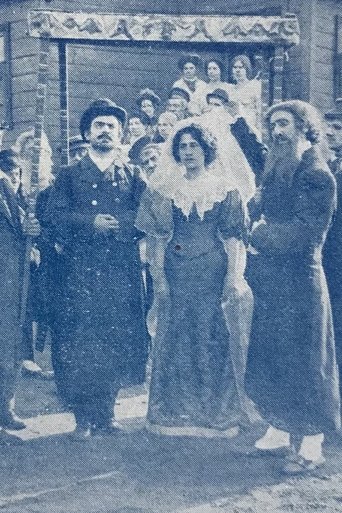
Russian actress who emerged during the formative years of Russian cinema, working primarily in the silent film era of the early 1910s. Her brief but notable career coincided with the golden age of pre-revolutionary Russian filmmaking, when the industry was experiencing rapid growth and artistic development. Sycheva appeared in two significant films that captured important cultural moments in Russian history: the historical celebration of the Romanov Dynasty's 300-year rule and an adaptation of Tolstoy's controversial masterpiece. Her performances demonstrated the emerging dramatic capabilities of early Russian cinema, contributing to the development of acting techniques specifically tailored for the silent medium. Though her filmography was limited to these two years, her work represented the sophisticated artistic aspirations of Russian filmmakers who sought to elevate cinema beyond mere entertainment to high art. Sycheva's career, though brief, exemplified the transition from theatrical traditions to cinematic performance styles that characterized this revolutionary period in film history.
The Craft
On Screen
While specific details about Lydia Sycheva's acting style are not extensively documented, her participation in early Russian cinema suggests she likely employed the theatrical, exaggerated gestures typical of silent film actors of the period. Russian actors of this era often drew from the rich traditions of the Moscow Art Theatre, incorporating elements of psychological realism even within the constraints of silent performance. Her roles in both a historical documentary-style film and a literary adaptation indicate versatility in transitioning between different genres and performance requirements.
Milestones
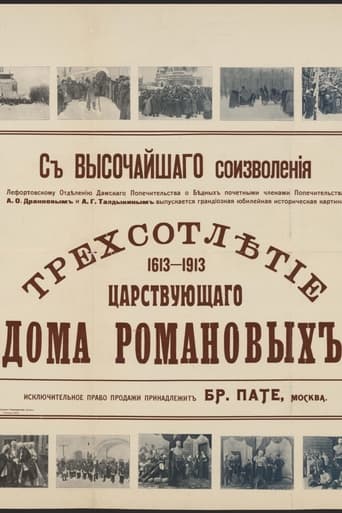
- Starred in 'Tercentenary of the Romanov Dynasty's Accession' (1913)
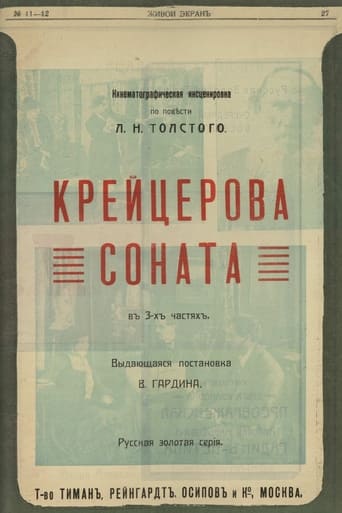
- Appeared in 'The Kreutzer Sonata' (1914)
- Participated in early Russian cinema's formative period
- Worked during the pre-revolutionary golden age of Russian film
Best Known For
Must-See Films
Why They Matter
Impact on Culture
Lydia Sycheva's contribution to cinema, though brief, represents an important chapter in the development of Russian film art during its nascent stage. Her participation in films dealing with both historical celebration and literary adaptation reflects the dual impulses of early Russian cinema to document national identity while also engaging with the country's rich literary tradition. The films she appeared in, particularly 'The Kreutzer Sonata,' were part of a broader movement to adapt classical Russian literature for the screen, helping establish cinema as a legitimate artistic medium capable of handling complex moral and psychological themes. Her work during this period contributed to the foundation upon which later Russian masters like Eisenstein and Vertov would build their revolutionary cinematic theories.
Lasting Legacy
Lydia Sycheva's legacy lies primarily in her role as a participant in the foundational years of Russian cinema, a period that has received increasing scholarly attention for its artistic innovations and cultural significance. While she may not be widely remembered by name today, her films represent important artifacts from a crucial era in film history, capturing both the imperial grandeur of pre-revolutionary Russia and the artistic ambitions of its filmmakers. The preservation of her work, however limited, provides valuable insight into early cinematic techniques and the transition from theatrical to film performance styles in Russia.
Who They Inspired
Given the brief span of her career and the limited documentation of her work, it's difficult to trace specific influences that Lydia Sycheva may have had on subsequent generations of Russian actors. However, like all performers working during this formative period, she contributed to the development of a distinctly Russian approach to screen acting that would later influence international cinema. Her participation in literary adaptations helped establish precedents for how complex literary characters could be translated to the silent medium, influencing later Russian and international adaptations of classic works.
Off Screen
Very little information is available about Lydia Sycheva's personal life, which is not uncommon for actors from this very early period of Russian cinema. Many performers from the 1910s left behind minimal biographical records, particularly those whose careers were brief or occurred before the documentation of film history became more systematic. The political upheavals that followed her active period, including the Russian Revolution, may have also led to the loss or destruction of personal records.
Did You Know?
- Appeared in films during the very early years of Russian cinema, when the industry was still establishing itself
- Participated in a film celebrating the 300th anniversary of the Romanov Dynasty, just four years before the revolution would end their rule
- Worked during what is now considered the golden age of pre-revolutionary Russian cinema
- Her film 'The Kreutzer Sonata' was based on Leo Tolstoy's controversial novella, which was banned in some countries for its themes
- The early 1910s saw rapid growth in Russian film production, with Moscow and St. Petersburg becoming major centers of cinema
- Many films from this period were lost due to the political upheavals of the Russian Revolution and subsequent wars
- Silent film actors of this era often came from theatrical backgrounds and had to adapt their acting styles for the camera
- Russian cinema of this period was known for its artistic ambitions and psychological depth
- The film industry in Russia was among the most advanced in the world before 1917
- Actresses in early Russian cinema often played roles that reflected the changing social status of women in Russian society
Frequently Asked Questions
Who was Lydia Sycheva?
Russian actress who worked during the silent film era, primarily active in 1913-1914. She appeared in two significant early Russian films that represented both historical documentation and literary adaptation during the golden age of pre-revolutionary Russian cinema.
What films is Lydia Sycheva best known for?
Titles linked here include Tercentenary of the Romanov Dynasty's Accession (1913), The Kreutzer Sonata (1914).
When was Lydia Sycheva born and when did she die?
Specific birth and death dates for Lydia Sycheva are not available in historical records, which is not uncommon for actors from this very early period of cinema. Her known active years covered from 1913 to 1914.
What awards did Lydia Sycheva win?
No awards or nominations for Lydia Sycheva have been documented, which is typical for actors working in the very early years of cinema before formal award systems were established.
What was Lydia Sycheva's acting style?
While specific details about her acting style are not extensively documented, she likely employed the theatrical, expressive gestures typical of silent film actors of the 1910s, possibly drawing from Russian theatrical traditions while adapting to the new medium of cinema.