Films
1 film
About Mario Roncoroni
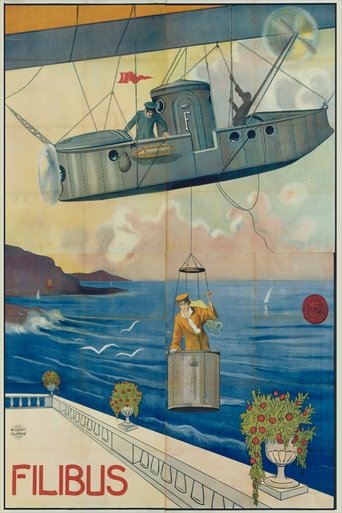
Italian film director active during the silent era of cinema. His career appears to have been extremely brief, with his only known directorial work being the 1915 film 'Filibus.' This remarkable film stood out as an early example of science fiction and fantasy cinema, featuring a female master criminal as its protagonist. Despite the innovative nature of 'Filibus,' Roncoroni seemingly vanished from the film industry after this single production, making him one of cinema's most mysterious one-film directors. The lack of extensive documentation about his career suggests he may have been involved in other capacities within the Italian film industry, or perhaps 'Filibus' was his sole contribution to cinematic art. His disappearance from historical records after 1915 makes him an enigmatic figure in early Italian cinema history.
The Craft
Behind the Camera
Roncoroni's directing style in 'Filibus' demonstrated innovative visual storytelling for its time, incorporating fantasy elements and adventure sequences that were ahead of their contemporaries. His approach to creating a strong female protagonist was particularly progressive for the era, challenging gender norms in early cinema.
Milestones
- Directed 'Filibus' (1915), an innovative early science fiction film featuring a female anti-hero
- Created one of cinema's earliest female supervillain characters
- Contributed to early Italian genre cinema during the golden age of silent film
Best Known For
Must-See Films
Working Relationships
Worked Often With
Studios
Why They Matter
Impact on Culture
Mario Roncoroni's single known film 'Filibus' has gained significant cultural importance in retrospect as an early example of feminist cinema and science fiction. The film's portrayal of a confident, intelligent female master criminal who operates her own airship was remarkably progressive for 1915, predating many later female-led action and adventure films. Film historians now recognize 'Filibus' as an important milestone in the representation of women in cinema, particularly in genre films. The film has been rediscovered and celebrated at silent film festivals, where it's often cited as a work that challenged gender stereotypes and pushed creative boundaries in early 20th century cinema.
Lasting Legacy
Despite having only one known directorial credit, Mario Roncoroni's legacy endures through 'Filibus,' which has become a cult classic among silent film enthusiasts and scholars of early cinema. The film shows the creative experimentation happening in Italian cinema during the silent era. Roncoroni is remembered as an innovative director who was ahead of his time in creating a strong female protagonist and incorporating science fiction elements. His mysterious career has made him a subject of fascination for film historians, representing the many talented individuals from early cinema whose stories remain partially untold.
Who They Inspired
While direct evidence of Roncoroni's influence on other filmmakers is limited due to the obscurity surrounding his career, 'Filibus' has influenced modern understanding of early cinema's progressive elements. The film's approach to female characterization has been studied by scholars examining early feminist cinema. Contemporary filmmakers and historians often cite 'Filibus' as an example of how early cinema occasionally broke conventional boundaries, suggesting that Roncoroni's work, though brief, contributed to the ongoing evolution of cinematic storytelling and character development.
Off Screen
Very little is known about Mario Roncoroni's personal life due to the scarcity of historical records. His mysterious disappearance from film industry records after 1915 has led to speculation about his background and subsequent activities, but concrete information remains unavailable.
Did You Know?
- 'Filibus' is Roncoroni's only known directorial credit
- The film features one of cinema's earliest female supervillains
- 'Filibus' was considered lost for decades before being rediscovered
- The film's protagonist operates her own airship, making it an early science fiction work
- Roncoroni disappeared from film industry records after 1915
- The film was produced in Italy during the peak of Italian silent cinema
- 'Filibus' has been restored and shown at international silent film festivals
- The film's progressive portrayal of a female criminal was unusual for its time
- Very little biographical information about Roncoroni survives in historical records
- His mysterious career has made him a subject of fascination among film historians
Frequently Asked Questions
Who was Mario Roncoroni?
Italian on YTB.my.' His career appears to have been extremely brief, making him one of cinema's most mysterious one-film directors.
What films is Mario Roncoroni best known for?
Titles linked here include Filibus (1915).
When was Mario Roncoroni born and when did he die?
Unfortunately, Mario Roncoroni's birth and death dates are unknown due to the scarcity of historical records about him. He is only documented through his work on 'Filibus' in 1915.
What awards did Mario Roncoroni win?
There are no records of Mario Roncoroni receiving any awards or nominations, likely due to the brief nature of his career and the limited documentation of early cinema recognition.
What was Mario Roncoroni's directing style?
Based on 'Filibus,' Roncoroni demonstrated an innovative directing style for his time, incorporating fantasy elements and creating a progressive female protagonist. His work showed creative experimentation with genre conventions and visual storytelling.
Why is 'Filibus' considered significant in film history?
'Filibus' is significant for featuring one of cinema's earliest female supervillains and for its science fiction elements. The film's progressive portrayal of a confident female criminal was unusual for 1915 and has gained recognition as an early example of feminist cinema.
What happened to Mario Roncoroni after 1915?
Mario Roncoroni mysteriously disappeared from film industry records after 1915, with no known subsequent directorial work. This has made him an enigmatic figure in early cinema history, with his fate remaining unknown to film historians.