Films
2 films
About Cristina Ruspoli
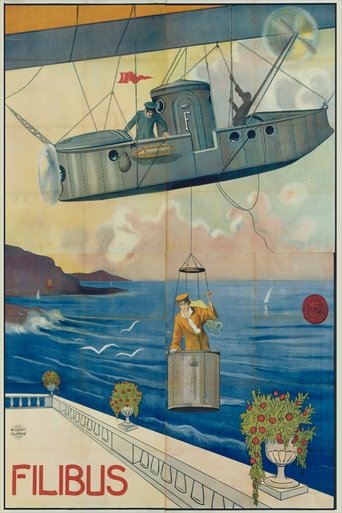
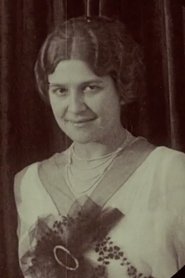
This archive lists one role for Cristina Ruspoli: Filibus (1915). Most notably in the 1915 film 'Filibus.' Her career was remarkably brief, spanning only the year 1915, making her one of many performers from early cinema whose work was limited to the days of filmmaking. In 'Filibus,' she in what would become a cult classic of early science fiction and adventure cinema. The film, directed by Mario Roncoroni, featured Ruspoli as part of an ensemble cast in this innovative story about a mysterious air pirate. Unfortunately, like many actors from this transitional period in film history, detailed records of her life and career are scarce, and 'Filibus' appears to be her only known screen credit. Her contribution to early Italian cinema represents the countless performers who helped establish the foundations of the film industry during its nascent stages.
The Craft
Milestones
- Starred in the silent film 'Filibus' (1915)
- Participated in early Italian science fiction cinema
Best Known For
Iconic Roles
Must-See Films
Working Relationships
Worked Often With
Why They Matter
Impact on Culture
Cristina Ruspoli's cultural impact is primarily tied to her participation in 'Filibus,' which has gained recognition among film historians and silent cinema enthusiasts as an innovative early example of science fiction and adventure filmmaking. The film itself is notable for its progressive portrayal of a female villain character and its imaginative use of early special effects. While Ruspoli's individual contribution may have been small, her work represents the collective effort of early film pioneers who experimented with the new medium and helped establish genres that would become staples of cinema. The rediscovery and preservation of 'Filibus' in recent years has brought renewed attention to the film and its cast, including Ruspoli, as important figures in the development of Italian and international cinema.
Lasting Legacy
Cristina Ruspoli's legacy is that of a representative figure from the earliest days of cinema, embodying the countless actors who participated in the birth of filmmaking but whose careers were brief or undocumented. Her appearance in 'Filibus' ensures her place in film history, however small, as part of a film that has survived the ravages of time and continues to be studied by cinema scholars. She serves as a reminder of the transient nature of early film careers and the importance of preserving even minor contributions to cinematic art. Her story highlights the challenges of researching early film history, where many performers' lives and careers remain shrouded in mystery due to incomplete documentation from the era.
Who They Inspired
Due to her extremely brief career and limited filmography, there is no documented evidence of Cristina Ruspoli directly influencing other actors or filmmakers. Her influence is indirect, through her participation in 'Filibus,' which has become a subject of study for those interested in early science fiction and the development of cinema as an art form. The film's survival and continued examination by film historians means that her work, however small, contributes to our understanding of early 20th-century filmmaking practices and the evolution of cinematic storytelling.
Off Screen
Very little is documented about Cristina Ruspoli's personal life, which is not uncommon for actors from the earliest days of cinema when detailed biographical records were not consistently maintained. Her brief appearance in film history suggests she may have been a stage actress who briefly ventured into the new medium of motion pictures, or possibly someone who tried acting but did not continue in the profession.
Did You Know?
- Cristina Ruspoli's entire known film career consists of just one film in 1915
- Her film 'Filibus' is considered an early example of science fiction cinema
- The film 'Filibus' features one of cinema's earliest female supervillains
- Like many early film actors, comprehensive biographical information about Ruspoli has been lost to time
- Her film was directed by Mario Roncoroni, who also had a relatively brief directing career
- The film was produced in Italy during the golden age of Italian silent cinema
- Despite her brief career, her film has survived over a century and is still viewable today
- The character she played in 'Filibus' remains part of a work in the adventure/sci-fi genre
Frequently Asked Questions
Who was Cristina Ruspoli?
What films is Cristina Ruspoli best known for?
Titles linked here include Filibus (1915).
When was Cristina Ruspoli born and when did she die?
Unfortunately, specific birth and death dates for Cristina Ruspoli are not documented in available historical records, which is common for many actors from the earliest days of cinema. We only know she was active as an actress in 1915.
What awards did Cristina Ruspoli win?
There are no records of Cristina Ruspoli receiving any awards or nominations for her work. During the silent era, formal acting awards were not yet established as they would be in later decades with the creation of institutions like the Academy Awards.
What was Cristina Ruspoli's acting style?
Due to the limited documentation of her work and the fact that only one film survives, specific details about Cristina Ruspoli's acting style are not well-documented. Like most actors of the silent era, she would have used exaggerated gestures and facial expressions to convey emotion in the absence of synchronized sound.