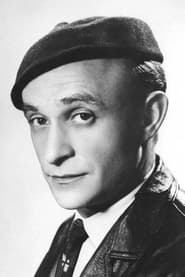
Rolan Bykov
Actor
Born: November 12, 1929 in Kyiv, Ukrainian SSR, Soviet Union Died: October 6, 1998 Active: 1952-1998 Birth Name: Rolan Antonovich Bykov
Films
1 film
About Rolan Bykov
Rolan Antonovich Bykov — prominent Soviet and Russian actor, film director, and screenwriter who became distinctive and influential figures in Soviet cinema. Born in Kyiv in 1929, he graduated from the Gerasimov Institute of Cinematography (VGIK) in 1952 and began his career as an actor in the early 1950s. Bykov quickly gained recognition for his unique acting style, characterized by intense emotional expression and a remarkable ability to transform into diverse characters. His directorial debut came with 'The Seven Old Men' (1968), which showcased his talent behind the camera and established him as a significant director. Throughout his career, he appeared in over 70 films and directed several critically acclaimed works, becoming known for his sensitive portrayals of children and his humanistic approach to storytelling. Bykov was also a passionate advocate for children's cinema and founded the first international children's film festival in Moscow. His four decades until his death in 1998, leaving an indelible mark on Soviet and Russian cinema.
The Craft
On Screen
Bykov was known for his extraordinarily versatile and emotionally intense acting style, capable of portraying both comic and tragic characters with equal depth. His performances were marked by physical expressiveness, distinctive vocal modulation, and an uncanny ability to completely transform into his roles. He often played outsiders, eccentrics, and marginalized characters, bringing them to life with profound humanity and psychological complexity.
Milestones
- Graduated from VGIK in 1952
- Breakthrough role in 'The Forty-First' (1956)
- Directorial debut with 'The Seven Old Men' (1968)
- Founded Moscow International Children's Film Festival
- Received People's Artist of the USSR title (1986)
- Directed acclaimed film 'Scarecrow' (1983)
- Awarded State Prize of the USSR (1986)
Best Known For
Iconic Roles
Must-See Films
Accolades
Won
- People's Artist of the RSFSR (1973)
- People's Artist of the USSR (1986)
- State Prize of the USSR (1986)
- Vasilyev Brothers State Prize of the RSFSR (1974)
- Order of the Red Banner of Labour (1979)
- Order of Friendship of Peoples (1989)
Nominated
- Nika Award for Best Director (1988)
- Multiple nominations at Soviet film festivals
- International film festival recognitions
Special Recognition
- Honored Artist of the RSFSR (1969)
- People's Artist of the USSR (1986)
- State Prize of the USSR (1986)
- Streets named after him in Moscow and other cities
- Postage stamps issued in his honor
Working Relationships
Worked Often With
Studios
Why They Matter
Impact on Culture
Rolan Bykov revolutionized Soviet children's cinema and brought unprecedented psychological depth to character acting in Soviet film. His work challenged conventional Soviet filmmaking by addressing complex social issues and human emotions with honesty and compassion. Bykov's films, particularly 'Scarecrow,' became cultural touchstones that sparked discussions about bullying, conformity, and moral courage in Soviet society. His unique acting style influenced generations of Soviet and Russian performers, expanding the boundaries of what was considered acceptable emotional expression in Soviet cinema.
Lasting Legacy
Bykov's legacy endures through his influential body of work that continues to be studied in film schools and screened at retrospectives worldwide. He fundamentally changed how children were portrayed in cinema, treating them as complex psychological beings rather than simplistic symbols. The Moscow International Children's Film Festival he founded continues to operate, serving as proof of his commitment to young audiences. His films remain relevant today, addressing universal themes of justice, compassion, and human dignity that transcend their Soviet context.
Who They Inspired
Bykov's influence extends far beyond Soviet cinema, inspiring filmmakers internationally with his humanistic approach and innovative storytelling techniques. His method of working with child actors became a model for directors worldwide, and his films influenced the development of children's cinema as a serious artistic genre. Contemporary Russian directors frequently cite him as an inspiration, particularly his ability to blend social commentary with emotional authenticity. His acting techniques continue to be studied in drama schools across Russia and the former Soviet republics.
Off Screen
Bykov was married twice and had one son. His first marriage was to actress Natalya Fateyeva, which ended in divorce. He later married actress Elena Sanayeva, with whom he remained until his death. His son, Oleg Bykov, also became involved in cinema. Bykov was known for his passionate personality and dedication to children's welfare, often using his celebrity status to advocate for children's rights and education.
Education
Gerasimov Institute of Cinematography (VGIK), graduated 1952; studied under influential Soviet filmmakers and acting teachers
Family
- Natalya Fateyeva (1955-1960)
- Elena Sanayeva (1963-1998)
Did You Know?
- His first name 'Rolan' was inspired by the French poet Romain Rolland
- He was originally rejected from VGIK but gained admission on his second attempt
- Founded the first international children's film festival in Moscow in 1968
- His film 'Scarecrow' was initially banned in some Soviet regions for its critique of school bullying
- He was a talented poet and published several collections of poetry
- Spoke multiple languages including Ukrainian, Russian, and French
- Was an accomplished theater director in addition to his film work
- His distinctive appearance and voice made him
- Advocated for children's rights throughout his career
- His final film 'The Enchanted Portrait' was completed just before his death
In Their Own Words
Cinema for children is cinema for the future of humanity.
Every child is a universe, and our job is to help them discover their stars.
The most difficult role in cinema is to be honest - honest with yourself and with your audience.
Art should not just entertain, it should heal and transform.
When I work with children, I learn more than I teach.
Frequently Asked Questions
Who was Rolan Bykov?
Celebrated Soviet and Russian actor, on YTB.my. He was.
What films is Rolan Bykov best known for?
Titles linked here include The Forty-First (1956), The Chairman (1964).
When was Rolan Bykov born and when did he die?
Born November 12, 1929; died October 6, 1998.
What awards did Rolan Bykov win?
Bykov received numerous prestigious awards including the People's Artist of the USSR (1986), the State Prize of the USSR (1986), and the Vasilyev Brothers State Prize. He was also honored with the Order of the Red Banner of Labour and the Order of Friendship of Peoples for his contributions to Soviet cinema.
What was Rolan Bykov's acting and directing style?
Bykov's acting style was characterized by intense emotional expression, physical versatility, and the ability to completely transform into diverse characters. As a director, he was known for his humanistic approach, sensitivity to children's perspectives, and his ability to blend social commentary with poetic realism. His work often explored themes of justice, compassion, and moral courage.