
Frank Keenan
Actor
Born: April 8, 1858 in New York City, New York, USA Died: February 24, 1929 Active: 1870s-1929 (Stage), 1915-1925 (Film)
Films
3 films
About Frank Keenan
American stage and film actor who rose to prominence during the late 19th and early 20th centuries. Born in New York City in 1858, Keenan began his career on the stage in the 1870s, eventually becoming one of Broadway's most respected dramatic actors. His powerful stage presence and commanding voice made him a natural for Shakespearean roles and dramatic productions. In the 1910s, as the film industry was emerging, Keenan successfully transitioned to silent cinema, bringing his theatrical gravitas to the new medium. He worked extensively with producer Thomas H. Ince at Inceville, appearing in numerous Westerns and dramas. Despite being in his late 50s when he began his film career, Keenan quickly became respected character actors in Hollywood, known for his authoritative portrayals of fathers, judges, and military figures. His film career, though relatively brief compared to his stage work, left a lasting impact on early cinema and helped bridge the gap between theatrical and film acting styles.
The Craft
On Screen
Keenan was known for his grand, theatrical acting style that he successfully adapted for the silent screen. His performances were characterized by a commanding stage presence, powerful gestures, and an ability to convey deep emotion through facial expressions and body language. Drawing from his extensive classical theater background, he brought dignity and gravitas to every role, whether playing aristocrats, military officers, or stern patriarchs. His acting style was more restrained than many of his contemporaries, reflecting his theatrical training in the era before melodramatic silent film acting became the norm.
Milestones
- Became a leading Broadway star in the 1890s
- Transitioned successfully from stage to silent film in 1915
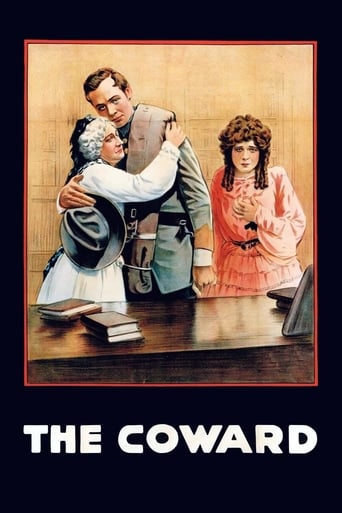
- Starred in the acclaimed film 'The Coward' (1915)
- Worked extensively with producer Thomas H. Ince
- Appeared in over 60 films during his decade in cinema
- Mentored younger actors including his son-in-law Ed Wynn
- Established a family acting dynasty spanning three generations
Best Known For
Iconic Roles
Must-See Films
Accolades
Special Recognition
- Recognized as one of the great character actors of the silent era
- Honored by theatrical societies for his contributions to American stage
Working Relationships
Worked Often With
Studios
Why They Matter
Impact on Culture
Frank Keenan played a significant role in bridging the gap between 19th-century theatrical traditions and 20th-century cinema. As one of the first major stage stars to successfully transition to film, he helped legitimize the new medium and brought a level of artistic credibility to silent movies. His dignified, restrained acting style influenced how character roles were portrayed in early cinema, moving away from the exaggerated gestures common in the period. Keenan's work with Thomas H. Ince helped establish the prototype for the American character actor, a role that would become essential to Hollywood's storytelling tradition.
Lasting Legacy
Frank Keenan's legacy extends beyond his own performances to the acting dynasty he helped create. His grandson Keenan Wynn became one of Hollywood's most recognizable character actors, appearing in hundreds of films and television shows over a career spanning five decades. Keenan's approach to character acting—bringing depth and dignity to supporting roles—became a model for subsequent generations of actors. His successful transition from stage to screen demonstrated that theatrical training could be adapted for cinema, encouraging other stage actors to embrace the new medium. Today, film historians recognize Keenan as an important figure in the development of American film acting.
Who They Inspired
Keenan influenced the development of film acting by demonstrating that theatrical techniques could be effectively adapted for the camera. His dignified approach to character roles helped establish the archetype of the authoritative figure in American cinema. Through his work with younger actors at Inceville and his family connections, he passed on his knowledge of performance to future generations. His success in transitioning from stage to screen paved the way for other theater actors to enter the film industry, bringing with them a level of artistic sophistication that helped elevate the cultural status of cinema.
Off Screen
Frank Keenan was married to actress Katherine Agnes Long, with whom he had a daughter Hilda Keenan. The family was deeply involved in the entertainment industry, creating a dynasty that would span multiple generations. His daughter Hilda married comedian Ed Wynn, making Frank the grandfather of actor Keenan Wynn, who would become a famous character actor in his own right. Keenan was known as a family man who maintained strong relationships with his extended family in the entertainment business. He spent his later years in Hollywood, continuing to work in films until his health began to fail in the late 1920s.
Education
Educated in New York City schools, received theatrical training through apprenticeships and experience in stock companies
Family
- Katherine Agnes Long (married 1889-1929)
Did You Know?
- He began his stage career at age 17 in 1875
- Was considered one of the highest-paid stage actors of his time before entering films
- His grandson Keenan Wynn was named after him
- He continued performing on stage even after becoming a film star
- Was a member of the prestigious Lambs theatrical club in New York
- His daughter Hilda gave up her acting career after marrying Ed Wynn
- He appeared in both silent and early sound films, though his career ended before the talkies fully took over
- Was known for his distinctive deep voice which was perfect for stage but became less important in silent films
- Worked with some of the earliest film pioneers including D.W. Griffith
- His death in 1929 coincided with the end of the silent era
In Their Own Words
The stage is my first love, but the camera is my new master
Acting is not about being someone else, it's about finding yourself in different circumstances
The dignity of the character is more important than the applause of the audience
Frequently Asked Questions
Who was Frank Keenan?
American stage and film with credits in this catalog. He began as a Broadway star in the 1870s and successfully transitioned to films in the 1910s, becoming known for his authoritative character roles.
What films is Frank Keenan best known for?
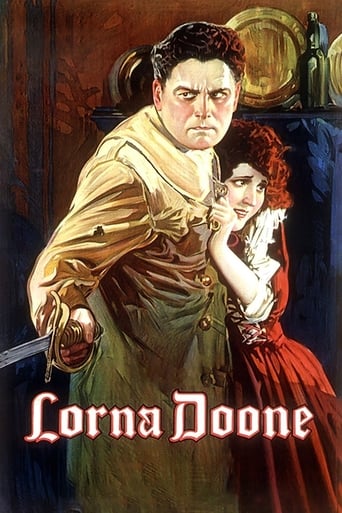
Titles linked here include The Coward (1915), Lorna Doone (1922).
When was Frank Keenan born and when did he die?
Born April 8, 1858; died February 24, 1929.
What awards did Frank Keenan win?
During Frank Keenan's era, the major film awards like the Academy Awards had not yet been established. However, he was recognized as one of the great character actors of both stage and screen during his lifetime.
What was Frank Keenan's acting style?
Keenan was known for his dignified, theatrical acting style that he successfully adapted for silent films. His performances featured commanding presence, powerful gestures, and the ability to convey deep emotion through facial expressions and body language.
Did Frank Keenan have any famous family members?
Yes, Frank Keenan was the father of actress Hilda Keenan and the grandfather of actor Keenan Wynn, who became a famous character actor appearing in hundreds of films and TV shows.
What was Frank Keenan's legacy in cinema?
Keenan's legacy includes helping bridge the gap between theater and film, establishing the prototype for the American character actor, and creating an acting dynasty through his family. He helped legitimize cinema as an art form by bringing theatrical gravitas to silent films.