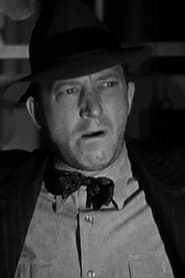
Billy Wayne
Actor
Born: January 22, 1914 in Dayton, Ohio, United States Died: April 4, 1971 Active: 1932-1969 Birth Name: William Wayne Levy
Films
1 film
About Billy Wayne
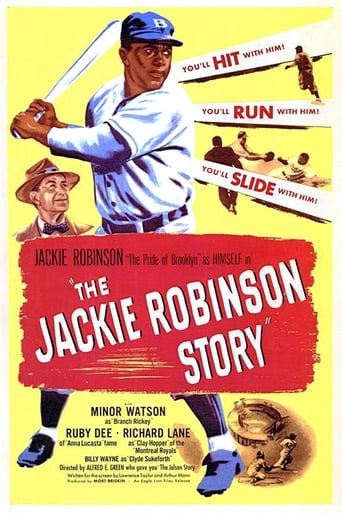
Billy Wayne, born William Wayne Levy, was a prolific American character actor whose nearly four decades in Hollywood. Beginning his film career in the early 1930s, Wayne quickly established himself as a reliable supporting player, specializing in comic roles and often portraying reporters, sidekicks, or various small-town characters. His distinctive voice and natural comedic timing made him a favorite among directors, leading to appearances in over 200 films throughout his career. Wayne became particularly well-known for his work in comedy films, frequently appearing alongside Abbott and Costello in several of their most successful productions. During the 1940s and 1950s, he was one of the busiest character actors in Hollywood, often working on multiple films simultaneously. His role as a sports writer in The Jackie Robinson Story (1950) showcased his versatility beyond pure comedy. Wayne continued working steadily through the 1960s, primarily in television roles, before his death in 1971 at the age of 57.
The Craft
On Screen
Billy Wayne was known for his naturalistic approach to comedy, often playing the straight man or comic relief with equal effectiveness. His acting style was characterized by a relaxed delivery, distinctive voice, and ability to quickly establish character through minimal dialogue. Wayne excelled at portraying everyday characters with authenticity, whether playing newspaper reporters, small-town officials, or comedic sidekicks. His timing was impeccable, and he had a knack for stealing scenes even with limited screen time.
Milestones
- Appeared in over 200 films during his 37-year career
- Frequent collaborator with Abbott and Costello in their comedy films
- Established himself as one of Hollywood's most reliable character actors
- Successfully transitioned from films to television in the 1960s
- Known for his distinctive voice and natural comedic timing
Best Known For
Iconic Roles
Must-See Films
Working Relationships
Worked Often With
Studios
Why They Matter
Impact on Culture
Billy Wayne contributed significantly to the Golden Age of Hollywood comedy through his consistent and reliable supporting performances. As a character actor who appeared in hundreds of films, he helped establish the template for the comic sidekick and supporting character roles that would become staples of American cinema. His work with Abbott and Costello helped define the comedy duo formula that influenced generations of comedy films. Wayne's ability to play diverse characters while maintaining his distinctive style made him an integral part of Hollywood's studio system, where reliable character actors were essential to the production pipeline.
Lasting Legacy
Billy Wayne's legacy lies in his remarkable body of work as one of Hollywood's most prolific character actors. While never achieving leading man status, his contributions to over 200 films helped shape the landscape of American comedy during the Golden Age. His performances continue to be appreciated by film historians and classic movie enthusiasts who recognize the importance of reliable supporting actors in creating memorable films. Wayne's career exemplifies the journey of the working actor in studio-era Hollywood, demonstrating how talent, consistency, and versatility could lead to a long and successful career without ever becoming a major star.
Who They Inspired
Billy Wayne influenced subsequent generations of character actors through his demonstration of how to create memorable performances in limited screen time. His naturalistic comedic style and ability to adapt to various genres served as a model for actors specializing in supporting roles. Many contemporary character actors cite the studio-era performers like Wayne as inspirations for their approach to craft and career longevity. His work in ensemble casts helped establish the importance of chemistry and timing in group comedy performances.
Off Screen
Billy Wayne was married twice during his lifetime. He maintained a relatively private personal life despite his extensive film career. He was known among his colleagues as a reliable and professional actor who was always prepared on set. Wayne lived in Hollywood for most of his career and was well-liked in the film community for his easygoing nature and dedication to his craft.
Education
Limited information available about his formal education, though he likely received some training in acting or theater before entering films
Family
- Dorothy S. Levy (1936-1945)
- Lois Wayne (1946-1971)
Did You Know?
- Changed his professional name from William Wayne Levy to Billy Wayne early in his career
- Appeared in more films with Abbott and Costello than any other supporting actor
- Often played newspaper reporters, a role he became typecast in throughout the 1940s
- Served in the United States Army during World War II, temporarily interrupting his film career
- Was a skilled musician and could play multiple instruments, though this talent was rarely showcased in films
- Never received an on-screen credit in several of his early film appearances
- Worked continuously from 1932 until his health began to fail in the late 1960s
- Was one of the few actors who successfully transitioned from silent films to talkies, though he began his career after the transition
- His distinctive voice made him a popular choice for radio work in addition to films
- Often worked under multiple contracts with different studios simultaneously during the height of his career
In Their Own Words
As a character actor, you learn to make your mark in two minutes or less.
Frequently Asked Questions
Who was Billy Wayne?
Screen credits include over 200 films between 1932 and 1969. Born William Wayne Levy, he was known for his distinctive voice and comedic timing, frequently playing supporting roles in comedies, particularly alongside Abbott and Costello.
What films is Billy Wayne best known for?
Titles linked here include The Jackie Robinson Story (1950), Buck Privates (1941).
When was Billy Wayne born and when did he die?
Born January 22, 1914; died April 4, 1971.
What awards did Billy Wayne win?
Despite his extensive film career, Billy Wayne did not receive any major awards or nominations. His contributions were recognized through his consistent employment and the respect he earned from directors and fellow actors in Hollywood.
What was Billy Wayne's acting style?
Billy Wayne was known for his naturalistic comedic style and distinctive voice. He excelled at playing everyday characters with authenticity, whether as comic relief or the straight man. His relaxed delivery and impeccable timing made him particularly effective in ensemble comedies.
How many films did Billy Wayne appear in?
Billy Wayne appeared in over 200 films during his 37-year career, making him one of Hollywood's most prolific character actors. He worked steadily from the early 1930s through the late 1960s, often appearing in multiple films per year.
Did Billy Wayne work in television?
Yes, Billy Wayne successfully transitioned to television in the 1960s after his film career began to wind down. He appeared in numerous TV series, continuing his work as a reliable character actor in the new medium.