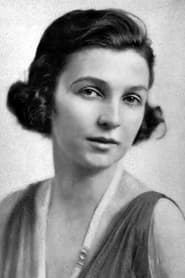
Irene Castle
Actor
Born: April 17, 1893 in New Rochelle, New York, USA Died: January 25, 1969 Active: 1911-1930s (dancing), 1915-1915 (film) Birth Name: Irene Foote
Films
1 film
About Irene Castle
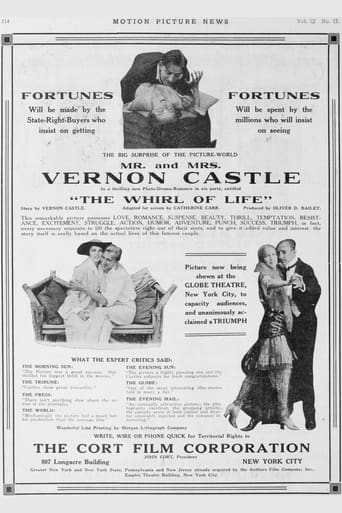
Irene Castle, born Irene Foote, was an American ballroom dancer, actress, and fashion icon who revolutionized early 20th-century entertainment and culture alongside her husband Vernon Castle. The couple became international sensations by introducing modern ballroom dances to American society, including the Castle Walk, Turkey Trot, and Foxtrot, transforming rigid formal dancing into natural, flowing expressions. After achieving worldwide fame as dancers, Irene briefly ventured into silent films, most notably starring in 'The Whirl of Life' (1915), which was based on their own remarkable life story. Following Vernon's tragic death in 1918 during World War I, she continued their legacy by teaching dance, authoring several influential books about dancing and her life with Vernon, and advocating for animal rights. Irene was also a fashion trailblazer whose bobbed haircut and shorter skirts predated and influenced the flapper era of the 1920s, making her a significant figure in women's liberation and cultural transformation. Her impact extended far beyond entertainment into social customs, fashion trends, and the very way people interacted socially during the early 20th century.
The Craft
On Screen
Natural and authentic performance style, drawing directly from her real-life experiences as a world-renowned dancer. Her on-screen presence reflected the grace and elegance that made her famous in dance halls worldwide, with movements that were both technically precise and emotionally expressive.
Milestones
- Revolutionized ballroom dancing with husband Vernon Castle (1911-1918)
- Starred in autobiographical film 'The Whirl of Life' (1915)
- Popularized the bob haircut and shorter skirts for women
- Authored influential books including 'My Husband' and 'Castles in the Air'
- Established animal shelters and advocated for animal rights
- Licensed pilot - one of few women aviators of her era
- Continued teaching dance well into her later years
Best Known For
Iconic Roles
Must-See Films
Accolades
Special Recognition
- Inducted into the International Dance Hall of Fame
- Featured on a U.S. Postage stamp in 1998 honoring dance legends
- The Castles' story preserved in the Library of Congress
- Multiple dance studios and venues named in her honor
Working Relationships
Worked Often With
Studios
Why They Matter
Impact on Culture
Irene Castle's cultural impact was revolutionary and multifaceted, extending far beyond entertainment into social transformation. Together with Vernon, she fundamentally changed how people danced and socialized, replacing stiff, formal ballroom dancing with natural, flowing movements that reflected modern sensibilities. Their dance innovations democratized social dancing, making it accessible and enjoyable for the middle class rather than just the aristocracy. Irene's fashion choices were equally transformative - her bobbed haircut, shorter skirts, and more practical clothing predated and influenced the flapper era, symbolizing women's emerging independence and changing social roles. She challenged conventional notions of femininity through her athletic dancing style, her career as a licensed pilot, and her business acumen in managing dance studios and writing books. The Castles' influence was so profound that their story was later immortalized in the 1939 film 'The Story of Vernon and Irene Castle' starring Fred Astaire and Ginger Rogers, cementing their place in American cultural history.
Lasting Legacy
Irene Castle's legacy endures through the lasting changes she brought to dance, fashion, and women's roles in society. The dances she and Vernon introduced, particularly the Foxtrot, remain standards in ballroom dancing today, taught in dance studios worldwide. Her fashion innovations, especially the bob haircut, became defining elements of 1920s style and continue to influence women's fashion. As an early female entrepreneur who successfully managed dance studios, authored books, and became a licensed pilot, she paved the way for women in business and aviation. Her animal welfare advocacy established a model for celebrity humanitarian efforts. The Castles' story continues to be studied by dance historians, fashion scholars, and cultural researchers as a prime example of how entertainment figures can drive social change. Her life demonstrates how artistic innovation can intersect with broader cultural movements to create lasting societal transformation.
Who They Inspired
Irene Castle influenced generations of dancers, performers, and women seeking greater independence. Her natural dancing style directly inspired Fred Astaire and other Hollywood dancers who incorporated her graceful movements into their performances. Fashion designers and hairstylists drew inspiration from her bold choices, helping launch the bob haircut revolution of the 1920s. Female performers who followed, from Ginger Rogers to modern dancers, benefited from the path she forged for women as professional entertainers and business owners. Her success in multiple fields - dance, film, writing, aviation, and animal welfare - demonstrated the possibilities for multi-dimensional careers for women. The dance studio empire she helped create influenced how dance would be taught commercially for decades to come. Her autobiography and other books provided a template for celebrity memoirs and helped establish the genre of entertainment self-help literature.
Off Screen
Irene Castle's personal life was marked by both extraordinary success and profound tragedy. Her first marriage to Vernon Castle (1911-1918) was both a romantic partnership and professional collaboration that changed the face of social dancing worldwide. After Vernon's death in a plane crash during WWI, she married Frederic McLaughlin (1919-1924), owner of the Chicago Blackhawks hockey team, with whom she had her only child. Her third marriage was to Robert E. Tremain (1924-1934). Throughout her life, she was deeply committed to animal welfare, establishing multiple shelters and advocating for humane treatment of animals. She spent her final years in Arkansas, continuing to teach dance and write until her death at age 75.
Education
Educated in New Rochelle, New York; received formal dance training in Paris and London; self-taught in aviation and animal husbandry
Family
- Vernon Castle (1911-1918, until his death)
- Frederic McLaughlin (1919-1924, divorced)
- Robert E. Tremain (1924-1934, divorced)
Did You Know?
- She was one of the first women in America to wear a bob haircut, which she adopted for practicality while dancing
- She patented a particular style of corset that allowed greater freedom of movement for dancing
- After Vernon's death, she established the first animal shelter in Little Rock, Arkansas
- She was a licensed pilot and one of few women aviators of the 1920s
- The Chicago Blackhawks hockey team was named by her second husband Frederic McLaughlin after her military unit, the 86th Infantry Division 'Blackhawk Division'
- She refused to dance with men who smoked, influencing social customs of the time
- The Castles' dance innovations were studied and copied by European royalty, including the Duke and Duchess of Windsor
- She taught dance to Eleanor Roosevelt and other prominent political figures
- Her autobiography 'My Husband' was a bestseller and helped establish the celebrity memoir genre
- The Castles were among the first entertainers to use product endorsements, lending their name to shoes, clothing, and cosmetics
- She continued teaching dance into her 70s, maintaining the Castle dance legacy for over 50 years
In Their Own Words
Dancing is a perpendicular expression of a horizontal desire.
The secret of our success was that we made dancing look easy and natural, when in fact it required tremendous discipline and practice.
Fashion is not something that exists in dresses only. Fashion is in the sky, in the street, fashion has to do with ideas, the way we live, what is happening.
Vernon and I never thought of ourselves as revolutionaries. We simply wanted to make dancing more joyful and accessible to everyone.
The bob wasn't just a hairstyle; it was a declaration of independence.
Frequently Asked Questions
Who was Irene Castle?
American ballroom dancer, actress, and fashion icon who, with her husband Vernon Castle, revolutionized social dancing in the early 20th century. She was also known for her trendsetting fashion choices, particularly popularizing the bob haircut, and for her later work as an animal welfare advocate and author.
What films is Irene Castle best known for?
Titles linked here include The Whirl of Life (1915).
When was Irene Castle born and when did she die?
Born April 17, 1893; died January 25, 1969.
What awards did Irene Castle win?
While Irene Castle didn't receive traditional entertainment awards during her lifetime, she has been posthumously honored with induction into the International Dance Hall of Fame and was featured on a U.S. Postage stamp in 1998 honoring dance legends. Her greatest recognition came from the lasting cultural impact of her dance innovations.
What was Irene Castle's dancing style?
Irene Castle's dancing style was characterized by natural, flowing movements that contrasted sharply with the rigid, formal ballroom dancing of the Victorian era. She and Vernon emphasized grace, elegance, and ease of movement, making dance look effortless while requiring tremendous technical skill and discipline.
How did Irene Castle influence fashion?
Major fashion trendsetter who popularized the bob haircut, shorter skirts, and more practical clothing for women. Her style choices predated and influenced the flapper era of the 1920s, symbolizing women's emerging independence and changing social roles in early 20th-century America.
What was Irene Castle's legacy after Vernon's death?
After Vernon Castle's death in 1918, Irene continued their dance legacy by teaching, writing books about their life and technique, and advocating for animal welfare. She established animal shelters, became a licensed pilot, and maintained the Castle dance methods through her studios, ensuring their innovations would influence future generations of dancers.