
Aurora Miranda
Actor
Born: November 20, 1915 in Rio de Janeiro, Brazil Died: December 22, 2005 Active: 1933-1950s Birth Name: Aurora Miranda da Cunha
Films
1 film
About Aurora Miranda
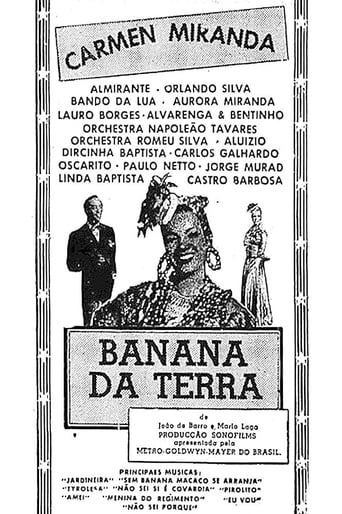
Aurora Miranda da Cunha was a Brazilian actress and singer who emerged during the golden age of Brazilian cinema in the 1930s. Born in Rio de Janeiro, she was the younger sister of the internationally famous Carmen Miranda, and like her sibling, Aurora became known for her musical talents and vibrant performances. Her career flourished primarily in Brazil's burgeoning film industry, where she starred in several musical comedies and dramas that showcased her singing abilities and charismatic screen presence. Aurora's breakthrough came with her appearance in 'Banana da Terra' (1939), a film that also featured her sister Carmen and helped establish the Miranda sisters as prominent figures in Brazilian entertainment. Unlike Carmen, Aurora chose to remain in Brazil rather than pursue international stardom in Hollywood, though she did appear in some co-productions. Throughout the 1940s, she continued to work in Brazilian cinema and theater, becoming a beloved figure in her home country's entertainment scene. Her career gradually slowed in the 1950s as Brazilian cinema evolved, but she remained an important figure in the country's cultural history, often appearing in retrospectives and documentaries about Brazil's golden age of cinema.
The Craft
On Screen
Aurora Miranda was known for her energetic and charismatic performances, particularly in musical films where she combined acting with singing and dancing. Her style was influenced by the samba and popular Brazilian rhythms of the era, bringing authentic Brazilian cultural elements to her performances. She had a natural screen presence that appealed to Brazilian audiences, with a warm and approachable demeanor that made her relatable to viewers. Unlike her sister Carmen's more flamboyant style, Aurora's performances were often more subdued but equally charming, focusing on emotional authenticity and musical expression.
Milestones
- Breakthrough performance in 'Banana da Terra' (1939)
- Leading roles in Brazilian musical films of the 1940s
- Successful stage career in Rio de Janeiro theaters
- Collaboration with sister Carmen Miranda in several films
- Recognition as one of Brazil's prominent musical film stars
Best Known For
Iconic Roles
Must-See Films
Accolades
Special Recognition
- Recognized as an important figure in Brazilian cinema history
- Featured in Brazilian film retrospectives and documentaries
Working Relationships
Worked Often With
Studios
Why They Matter
Impact on Culture
Aurora Miranda played a significant role in the development of Brazilian musical cinema during its golden age. Her films helped establish the samba and other Brazilian musical genres as viable cinematic entertainment, contributing to the cultural identity of Brazilian cinema. Alongside her sister Carmen, Aurora represented the emergence of Brazilian women as powerful figures in the entertainment industry, challenging traditional gender roles through their independence and success. Her performances captured the essence of Rio de Janeiro's carioca culture, preserving important aspects of Brazilian popular culture for future generations. While not achieving international fame like her sister, Aurora's work remained influential within Brazil, inspiring subsequent generations of Brazilian actresses and singers.
Lasting Legacy
Aurora Miranda's legacy lies in her contribution to Brazil's cinematic heritage during its formative years. She is remembered as an important figure who helped establish the musical film genre in Brazil, working alongside her more famous sister Carmen to create a distinctive Brazilian cinematic style. Her films are now considered valuable cultural artifacts that preserve the music, fashion, and social attitudes of 1930s-1940s Brazil. Film historians and cultural scholars often study her work to understand the development of Brazilian popular culture and cinema. Aurora's decision to remain in Brazil rather than seek international fame has led to her being viewed as a symbol of authentic Brazilian artistry, contrasting with the Hollywood adaptation of Brazilian culture that her sister represented.
Who They Inspired
Aurora Miranda influenced Brazilian musical cinema through her authentic performances and dedication to preserving Brazilian musical traditions in film. Her work demonstrated that Brazilian cinema could succeed with distinctly Brazilian content rather than imitating Hollywood styles. She inspired later Brazilian actresses to pursue careers in both singing and acting, establishing a precedent for multi-talented performers in Brazilian entertainment. Her collaboration with Carmen Miranda showed how family partnerships could create powerful artistic statements in cinema. Contemporary Brazilian filmmakers and musicians continue to reference her work when exploring Brazil's cultural history, and her films are regularly featured in Brazilian film festivals and retrospectives celebrating the country's cinematic heritage.
Off Screen
Aurora Miranda was born into a Portuguese immigrant family in Rio de Janeiro and grew up in the bohemian neighborhood of Lapa. She was the second youngest of six children, with her sister Carmen being the most famous. Aurora married and had children, choosing to prioritize her family life as her film career slowed. Unlike her sister Carmen, who never married or had children, Aurora embraced domestic life while maintaining occasional appearances in Brazilian entertainment. She remained connected to her sister throughout Carmen's life and was deeply affected by Carmen's early death in 1955. Aurora spent her later years in Rio de Janeiro, occasionally participating in interviews and documentaries about Brazil's golden age of cinema.
Education
Educated in Rio de Janeiro schools; received musical training from family and local musicians; informal theater training through early performances
Family
- Gabriel dos Santos (married 1940s, until his death)
Did You Know?
- She was the younger sister of the internationally famous Carmen Miranda
- Unlike her sister, Aurora chose to remain in Brazil rather than pursue Hollywood stardom
- Her full name was Aurora Miranda da Cunha
- She began her career performing in local Rio de Janeiro theaters before moving to film
- The film 'Banana da Terra' (1939) was significant for featuring both Miranda sisters
- She was known for her more subtle performance style compared to Carmen's flamboyant persona
- Aurora continued performing in Brazil long after Carmen's death in 1955
- She outlived her famous sister by 50 years, dying at age 90
- Her films are now considered important historical documents of Brazilian culture
- She was part of a large Portuguese immigrant family in Rio de Janeiro
- Her performances often featured authentic samba and other Brazilian musical genres
- She appeared in over 10 Brazilian films during her career
- Unlike Carmen, Aurora married and had children
- She occasionally performed with Carmen in live stage shows in Brazil
- Her active years covered the transition from early sound films to more sophisticated Brazilian cinema of the 1940s
In Their Own Words
While specific quotes are not widely documented, she often spoke about her pride in Brazilian culture and music in interviews
She expressed satisfaction with her decision to remain in Brazil rather than seek international fame
In interviews about her sister, she emphasized the importance of family and Brazilian roots
Frequently Asked Questions
Who was Aurora Miranda?
Brazilian actress and singer active in the 1930s and 1940s, best known as the younger sister of the famous Carmen Miranda. She starred in several Brazilian musical films, including 'Banana da Terra' (1939), and became a beloved figure in Brazilian cinema during its golden age.
What films is Aurora Miranda best known for?
Titles linked here include Banana da Terra (1939), Samba em Berlim (1944).
When was Aurora Miranda born and when did she die?
Born November 20, 1915; died December 22, 2005.
What awards did Aurora Miranda win?
While Aurora Miranda did not receive major formal awards during her career, she was recognized as an important figure in Brazilian cinema history. Her work has been honored through film retrospectives and documentaries about Brazil's golden age of cinema.
What was Aurora Miranda's acting style?
Aurora Miranda was known for her energetic and charismatic performances, particularly in musical films where she combined acting with singing and dancing. Her style was more subtle and emotionally authentic compared to her sister Carmen's flamboyant performances, focusing on natural charm and Brazilian cultural authenticity.
How was Aurora Miranda related to Carmen Miranda?
Aurora Miranda was the younger sister of Carmen Miranda. Both sisters performed on stage and screen; Carmen achieved international fame in Hollywood while Aurora remained a star in Brazil. They appeared together in several films, including 'Banana da Terra' (1939).
Why didn't Aurora Miranda achieve international fame like her sister?
Aurora Miranda chose to remain in Brazil rather than pursue opportunities in Hollywood, prioritizing her family life and career in Brazilian cinema. She was content with her success in her home country and did not seek the international stardom that Carmen achieved.
What is Aurora Miranda's legacy in Brazilian cinema?
Aurora Miranda's legacy lies in her contribution to Brazilian musical cinema during its golden age. She helped establish Brazilian musical genres as viable cinematic entertainment and preserved important aspects of Brazilian culture through her films. Today, she is remembered as an authentic Brazilian artist who chose to represent her country's culture rather than adapt to international markets.