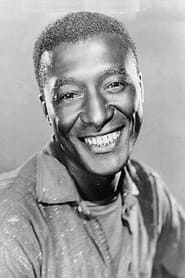
Daniel L. Haynes
Actor
Born: June 15, 1901 in Dallas, Texas, USA Died: March 7, 1954 Active: 1929-1929 Birth Name: Daniel Lee Haynes
Films
1 film
About Daniel L. Haynes
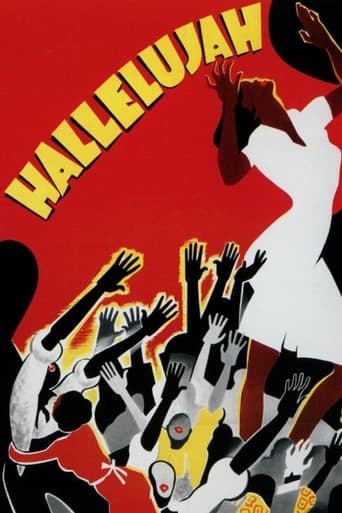
African American actor and stage performer who achieved his greatest fame as the star of King Vidor's 1929 film 'Hallelujah.' Born in Dallas, Texas, Haynes began his career in vaudeville and musical theater before being discovered for the lead role in what would become one of Hollywood's first major sound films with an all-Black cast. His performance as Zeke Johnson, a sharecropper turned preacher who struggles with temptation and redemption, was widely praised by critics for its emotional depth and authenticity. Despite the critical acclaim for 'Hallelujah,' Haynes' film career remained limited to this single major role, as opportunities for African American actors in mainstream Hollywood were severely restricted during this era. Following his film appearance, he returned to his roots in stage performance, continuing to work in theater and vaudeville throughout the 1930s and 1940s. Haynes' contribution to cinema, though brief, represented an important milestone in the representation of African Americans in American film, helping to pave the way for future generations of Black performers.
The Craft
On Screen
Haynes brought a naturalistic and emotionally charged performance style that was ahead of its time for early sound cinema. His background in musical theater and vaudeville gave him a commanding stage presence that translated well to the screen. He demonstrated remarkable range in 'Hallelujah,' portraying his character's journey from innocent farm boy to tormented sinner to redeemed preacher with convincing emotional depth. His performance avoided the caricature and stereotyping common in depictions of African American characters during this period, instead delivering a nuanced and human portrayal that resonated with audiences and critics alike.
Milestones
- Starred in the groundbreaking film 'Hallelujah' (1929)
- One of the first African American actors to have a lead role in a major Hollywood sound film
- Received critical acclaim for his performance in King Vidor's 'Hallelujah'
- Transitioned successfully from stage to film performance
- Returned to stage career after film appearance
Best Known For
Iconic Roles
Must-See Films
Accolades
Special Recognition
- African American performer in early Hollywood cinema
- Recognized for breaking racial barriers in mainstream film
Working Relationships
Worked Often With
Studios
Why They Matter
Impact on Culture
Daniel L. Haynes' performance in 'Hallelujah' represented a significant milestone in American cinema history, as it was one of the first times an African American actor was given a complex, three-dimensional leading role in a major Hollywood production. The film itself was groundbreaking as MGM's first all-Black sound film and one of the earliest Hollywood productions to treat African American characters with dignity and depth rather than resorting to caricature. Haynes' portrayal helped challenge prevailing stereotypes about African American performers and demonstrated that Black actors could carry major dramatic roles in mainstream cinema. The critical success of his performance, despite the limited opportunities that followed, helped create a precedent for more serious consideration of African American talent in Hollywood, though progress would remain slow for decades to come.
Lasting Legacy
Though his film career was limited to a single major role, Daniel L. Haynes left an enduring legacy as a trailblazer for African American actors in Hollywood. His performance in 'Hallelujah' is studied by film historians as an important example of early African American representation in cinema and remains. Haynes demonstrated that African American performers could deliver sophisticated, emotionally complex performances that rivaled those of their white contemporaries. His work helped establish a benchmark for authentic African American representation in film and continues to be recognized by film scholars and historians studying the evolution of racial representation in American cinema. The preservation of 'Hallelujah' in the National Film Registry ensures that Haynes' contribution to cinema history will not be forgotten.
Who They Inspired
Daniel L. Haynes influenced subsequent generations of African American actors by demonstrating that serious dramatic roles were possible for Black performers in mainstream cinema, even if such opportunities remained rare. His naturalistic acting style in 'Hallelujah' provided an early model for African American actors seeking to avoid stereotypical performances. While direct documentation of actors citing him as an influence is limited due to the historical period, his performance helped establish a standard of dignity and complexity that later African American performers would build upon. The critical acclaim he received helped validate the artistic capabilities of African American actors in the minds of Hollywood producers and audiences, however gradually this influence manifested in increased opportunities over subsequent decades.
Off Screen
Daniel L. Haynes maintained a relatively private personal life despite his brief moment of film fame. He was deeply connected to the African American theater community throughout his career, finding more opportunities and acceptance on stage than in Hollywood. Haynes never married and had no known children. He spent his later years continuing to perform in various theatrical productions while living in New York City, remaining active in the entertainment community until his death from heart complications at age 52.
Education
Limited formal education, primarily trained in performance through practical experience in vaudeville and theater circuits
Did You Know?
- Was discovered by director King Vidor while performing in a stage production
- 'Hallelujah' was his only major film role, though he had brief appearances in a few other productions
- The film was shot on location in Arkansas and California to achieve authentic Southern atmosphere
- Haynes was paid $1,000 per week for his role in 'Hallelujah,' a substantial sum for the time
- The film's success led to a stage adaptation that Haynes also starred in
- Despite the film's acclaim, Haynes found few film opportunities due to Hollywood's racial barriers
- He continued performing in theater and vaudeville for over two decades after his film appearance
- King Vidor fought hard with MGM executives to cast Haynes in the lead role
- The film was one of the first to use both location shooting and sound recording simultaneously
- Haynes' performance was praised for avoiding the minstrel-style acting common in the era
In Their Own Words
I tried to make Zeke a real man, not a caricature. That's what King Vidor wanted, and that's what I believed in.
The stage has always been my home. Hollywood was a brief visit, but the theater is where I belong.
Being in 'Hallelujah' showed people what we could do, but it didn't change enough minds to open more doors.
Frequently Asked Questions
Who was Daniel L. Haynes?
African American with credits in this catalog.' He was a stage performer who achieved his greatest fame in this early sound film, which featured one of Hollywood's first all-Black casts.
What films is Daniel L. Haynes best known for?
Titles linked here include Hallelujah (1929).
When was Daniel L. Haynes born and when did he die?
Born June 15, 1901; died March 7, 1954.
What awards did Daniel L. Haynes win?
Daniel L. Haynes did not receive any major formal awards or nominations for his work, though his performance in 'Hallelujah' was widely praised by critics. His legacy is recognized more for its historical significance and nature rather than formal accolades.
What was Daniel L. Haynes' acting style?
Haynes brought a naturalistic and emotionally authentic style to his performance that was ahead of its time for early sound cinema. His background in musical theater and vaudeville gave him a commanding presence, and he avoided the caricature common in depictions of African American characters of his era.
Why didn't Daniel L. Haynes have a longer film career?
Despite critical acclaim for his performance in 'Hallelujah,' Haynes' film career was limited by Hollywood's systemic racial barriers of the 1920s and 1930s. Studios were reluctant to cast African American actors in substantial roles, and he returned to stage work where more opportunities existed for Black performers.
What was the significance of 'Hallelujah' in film history?
'Hallelujah' was groundbreaking as one of the first major Hollywood sound films with an all-Black cast, produced by MGM. It treated its African American characters with dignity and complexity rather than resorting to stereotypes, and Haynes' performance helped demonstrate the dramatic capabilities of Black actors in mainstream cinema.