
Films
1 film
About William Fountaine
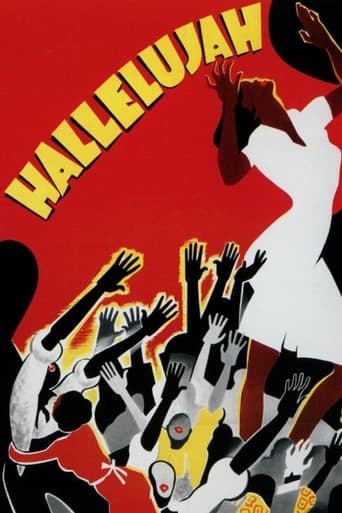
African American actor who emerged during the transition from silent films to talkies in the late 1920s. His most notable appearance was in King Vidor's 1929 film 'Hallelujah,' one of the first major Hollywood productions to feature an all-Black cast. Fountaine played the character 'Hot Shot' in this musical drama that explored themes of sin, redemption, and rural African American life. Like many Black actors of his era, his opportunities in mainstream cinema were severely limited by the racial prejudices and casting restrictions of early Hollywood. His career appears to have been brief, with 'Hallelujah' standing as his only documented major film role. Despite the limited scope of his filmography, his participation in this historically significant production places him among the African American performers who helped break barriers in the motion picture industry during the early sound era.
The Craft
On Screen
Based on his role in 'Hallelujah,' Fountaine demonstrated the theatrical style common in early talkies, where actors were still transitioning from the exaggerated expressions of silent film to the more naturalistic approach that would later develop in sound cinema. His performance as 'Hot Shot' reflected the character-driven storytelling that King Vidor emphasized in his direction of this landmark film.
Milestones
- Appeared in King Vidor's groundbreaking 'Hallelujah' (1929)
- Part of the first all-Black cast in a major Hollywood production
- Contributed to early sound cinema during the transition from silent films
Best Known For
Iconic Roles
Must-See Films
Working Relationships
Worked Often With
Studios
Why They Matter
Impact on Culture
William Fountaine's participation in 'Hallelujah' contributed to a significant milestone in cinema history as one of the performers in the first all-Black cast film produced by a major Hollywood studio. This film helped challenge racial barriers in the industry and paved the way for future opportunities for African American actors, though progress would remain slow for decades. The film itself was controversial for its time, with some critics praising its artistic merit while others criticized its perpetuation of certain stereotypes, but it undeniably opened doors for Black performers in mainstream cinema.
Lasting Legacy
While William Fountaine's individual legacy remains largely undocumented due to the limited nature of his film career, his contribution to 'Hallelujah' ensures his place in film history as part of a notable production that challenged Hollywood's racial conventions. The film itself has been preserved by the Library of Congress for its cultural significance, meaning Fountaine's work continues to be accessible to scholars and cinema enthusiasts studying the evolution of African American representation in film.
Who They Inspired
As an early pioneer in sound cinema, Fountaine and his fellow cast members in 'Hallelujah' demonstrated that African American actors could carry major studio productions, influencing future generations of Black performers and filmmakers. Their work helped establish a precedent that would eventually lead to more diverse casting and storytelling in American cinema, though this progress would take many decades to fully materialize.
Off Screen
Very little documented information exists about William Fountaine's personal life, which was unfortunately common for many African American actors from this period who were not given the same level of publicity and documentation as their white counterparts in early Hollywood.
Did You Know?
- 'Hallelujah' was one of the first films shot on location, with scenes filmed in Arkansas and California to achieve authentic settings
- The film was nominated for two Academy Awards, including Best Director for King Vidor
- Despite being an all-Black cast, the film was directed by a white filmmaker, which was common for the era
- MGM initially hesitated to produce the film due to concerns about Southern audiences' reaction
- The film's soundtrack featured early examples of spirituals and folk music in a mainstream production
- King Vidor received no salary for directing the film, choosing instead to receive a percentage of the profits
- The film was a commercial success but was banned in several Southern cities due to its racial content
Frequently Asked Questions
Who was William Fountaine?
African American with credits in this catalog. His career appears to have been brief, with this film representing his most significant documented contribution to cinema.
What films is William Fountaine best known for?
Titles linked here include Hallelujah (1929).
When was William Fountaine born and when did he die?
Unfortunately, detailed biographical information about William Fountaine's birth and death dates is not readily available, which was common for many African American actors from the silent and early sound era who received limited documentation and publicity.
What awards did William Fountaine win?
There are no documented awards or nominations specifically for William Fountaine. However, the film 'Hallelujah' in which he appeared was nominated for two Academy Awards, including Best Director for King Vidor.
What was William Fountaine's acting style?
Based on his performance in 'Hallelujah,' Fountaine employed the theatrical style typical of early talkies, transitioning from the exaggerated expressions of silent film toward the more naturalistic approach that would develop in later sound cinema. His performance reflected the character-driven storytelling emphasized by director King Vidor.