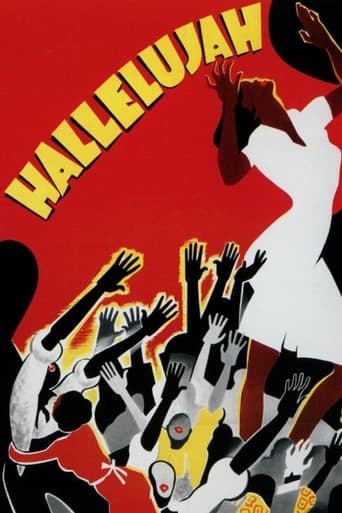
Films
1 film
About Fanny Belle DeKnight
African American actress who emerged during the pivotal transition from silent films to talkies in late 1920s Hollywood. Her most significant and documented role was as Mammy in King Vidor's 1929 film 'Hallelujah,' which was notable for being one of the first major studio productions with an all-Black cast. DeKnight portrayed the matriarchal figure in this musical drama that explored themes of religion, temptation, and redemption within a rural African American community. Like many Black actors of her era, she faced the challenging reality of limited opportunities and often found herself confined to stereotypical roles, though 'Hallelujah' attempted to present more nuanced characterizations than typical Hollywood fare of the period. Her performance contributed to a film that was both commercially successful and historically significant, helping to pave the way for future African American representation in cinema. Unfortunately, like many supporting actors from this era, particularly women of color, her career appears to have been brief and poorly documented, with 'Hallelujah' remaining her most notable and possibly only major film appearance.
The Craft
On Screen
Based on her role in 'Hallelujah,' DeKnight employed a naturalistic acting style that was transitioning from the exaggerated gestures of silent film to the more subtle performances required by sound cinema. As Mammy, she conveyed maternal wisdom and concern with authenticity that helped ground the film's emotional core.
Milestones
- Appeared in MGM's groundbreaking all-Black cast film 'Hallelujah' (1929)
- Worked with acclaimed director King Vidor
- Participated in one of early Hollywood's first major sound films featuring African American performers
Best Known For
Iconic Roles
Must-See Films
Working Relationships
Worked Often With
Studios
Why They Matter
Impact on Culture
Fanny Belle DeKnight's contribution to cinema, while brief, is part of the larger narrative of African American representation in early Hollywood. Her role in 'Hallelujah' helped establish a precedent for more authentic portrayals of Black life on screen, moving away from the minstrel show caricatures that had dominated early cinema. The film itself was revolutionary for its time, featuring an all-Black cast in a serious dramatic production rather than as comic relief or background characters. DeKnight's performance as the maternal Mammy figure provided emotional depth and authenticity that resonated with audiences and critics alike. The success of 'Hallelujah' demonstrated to Hollywood studios that films with all-Black casts could be both artistically ambitious and commercially viable, opening doors for future generations of African American performers.
Lasting Legacy
Fanny Belle DeKnight's legacy is intrinsically tied to the groundbreaking nature of 'Hallelujah' and its place in film history as one of the first major Hollywood productions to feature an all-Black cast with serious dramatic themes. While her individual career may have been brief, her participation in this historic film places her among the African American actors who helped challenge racial barriers in Hollywood during the early sound era. The film itself has been preserved by the Library of Congress for its cultural significance, ensuring that DeKnight's contribution, however small, will be remembered as part of this important milestone in cinema history.
Who They Inspired
As an early African American actress in mainstream Hollywood, Fanny Belle DeKnight was part of the foundation that future generations of Black performers would build upon. Her work in 'Hallelujah' demonstrated that African American actors could handle complex dramatic material in major studio productions, helping to gradually shift industry perceptions about the capabilities and marketability of Black performers in leading and supporting roles.
Off Screen
Very little documented information exists about Fanny Belle DeKnight's personal life, which is unfortunately typical for many African American actors from the early sound era who were not major stars. Historical records from this period often failed to adequately document the lives of performers of color, particularly those in supporting roles.
Did You Know?
- 'Hallelujah' (1929) was one of MGM's first sound films and featured an all-Black cast, which was revolutionary for its time
- The film was directed by King Vidor, who reportedly had to fight studio executives to cast African American actors in dramatic roles rather than comic ones
- Despite being a sound film, 'Hallelujah' was initially filmed as a silent movie with sound added later in production
- The film was a commercial success and received critical acclaim for its artistic merit and authentic portrayal of African American life
- Many of the film's locations were shot in Arkansas and Tennessee to capture authentic Southern settings
- The film's success helped pave the way for other all-Black cast productions by major studios in the 1930s
- DeKnight's character, Mammy, served as the moral center of the film's narrative
- The film featured an early example of a musical score that incorporated spirituals and folk songs authentic to African American culture
- King Vidor received an Academy Award nomination for Best Director for 'Hallelujah,' making it one of the first films with an all-Black cast to receive such recognition
Frequently Asked Questions
Who was Fanny Belle DeKnight?
African American actress active during the early sound era of Hollywood, best known for her role as Mammy in the 1929 film 'Hallelujah,' which was groundbreaking for its all-Black cast and serious dramatic themes.
What films is Fanny Belle DeKnight best known for?
Titles linked here include Hallelujah (1929).
When was Fanny Belle DeKnight born and when did she die?
Unfortunately, specific birth and death dates for Fanny Belle DeKnight are not documented in available historical records, which is unfortunately common for many supporting actors, particularly African American performers, from this era of early Hollywood.
What awards did Fanny Belle DeKnight win?
There are no documented awards or nominations specifically for Fanny Belle DeKnight. However, the film 'Hallelujah' in which she appeared was critically acclaimed and director King Vidor received an Academy Award nomination for Best Director.
What was Fanny Belle DeKnight's acting style?
Based on her role in 'Hallelujah,' DeKnight employed a naturalistic acting style appropriate for the transition from silent to sound films, conveying maternal wisdom and emotional depth that helped ground the film's dramatic narrative.