Films
1 film
About Erwin Fichtner
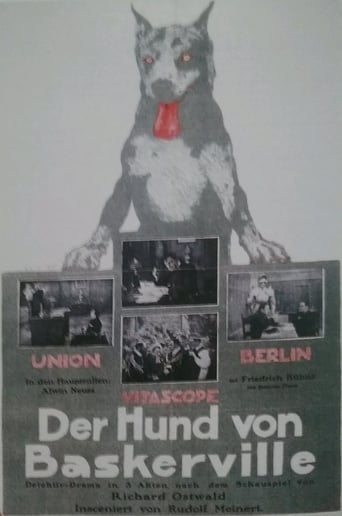
Erwin Fichtner worked on one surviving credit: The Hound of the Baskervilles (1914). His documented filmography consists primarily of his role in the 1914 German adaptation of Arthur Conan Doyle's famous Sherlock Holmes novel 'The Hound of the Baskervilles.' This film was one of the earliest cinematic adaptations of the Sherlock Holmes stories and was produced during the years of German cinema. Fichtner's career appears to have been extremely brief, with records indicating he was only active in 1914. Like many actors from this early period of cinema, detailed documentation about his life and career is scarce, as film archives and studio records from this era were often incomplete or lost over time. His contribution to early German cinema, while limited in scope, represents the work of the many actors who helped establish the foundation of European film during its formative years.
The Craft
Milestones
- Appeared in the 1914 German adaptation of 'The Hound of the Baskervilles'
Best Known For
Iconic Roles
Must-See Films
Why They Matter
Impact on Culture
Erwin Fichtner's contribution to cinema, while minimal in scope, represents the collective work of the many actors who participated in the early development of German film during the silent era. His appearance in the 1914 adaptation of 'The Hound of the Baskervilles' places him among the pioneers who helped bring literary adaptations to the silver screen during cinema's formative years. This early German production was part of the initial wave of Sherlock Holmes adaptations that helped establish the detective genre in cinema, influencing countless future interpretations of Conan Doyle's work.
Lasting Legacy
Due to the extremely limited documentation of Erwin Fichtner's career, his legacy is primarily preserved through his participation in one of the earliest Sherlock Holmes film adaptations. His work shows the many actors from the silent era whose contributions to early cinema, though perhaps small in scale, were integral to the development of the film industry. The 1914 'Hound of the Baskervilles' itself holds historical significance as one of the earliest cinematic interpretations of the famous detective story, and Fichtner's role in this production ensures his place in the annals of early German cinema history.
Who They Inspired
There is no documented evidence of Erwin Fichtner's influence on other actors or filmmakers, which is common for actors with very brief careers in the early silent era. However, his participation in early literary adaptations contributed to the evolving language of cinema during its years.
Off Screen
Very little is known about Erwin Fichtner's personal life, which is typical for actors from the early silent film era, especially those with brief careers. Documentation about family, relationships, and personal details from this period in German cinema history is often incomplete or has been lost to time.
Did You Know?
- The 1914 German adaptation of 'The Hound of the Baskervilles' was one of the earliest film versions of a Sherlock Holmes story
- Fichtner's entire documented film career spans only a single year (1914)
- Early German cinema was highly influential in developing film techniques that would later be adopted worldwide
- Many actors from this era, like Fichtner, have incomplete biographical records due to the passage of time and loss of documentation
- The silent era saw numerous literary adaptations, with Sherlock Holmes being a particularly popular subject for early filmmakers
Frequently Asked Questions
Who was Erwin Fichtner?
Screen credits include the 1914 German adaptation of 'The Hound of the Baskervilles.' His career appears to have been extremely brief, with documented work only from 1914.
What films is Erwin Fichtner best known for?
Titles linked here include The Hound of the Baskervilles (1914).
When was Erwin Fichtner born and when did he die?
Unfortunately, specific birth and death dates for Erwin Fichtner are not documented in available historical records, which is common for actors with brief careers in the early silent film era.
What awards did Erwin Fichtner win?
There are no documented awards or honors for Erwin Fichtner, which is typical for actors from this very early period of cinema when formal award systems had not yet been established.
What was Erwin Fichtner's acting style?
Specific details about Erwin Fichtner's acting style are not documented in surviving records. However, actors from this period typically used the exaggerated gestures and expressions characteristic of silent film performance.
Why is there so little information about Erwin Fichtner?
The scarcity of information about Erwin Fichtner is typical for actors from the early silent era, especially those with brief careers. Many studio records, biographical documents, and even films from this period have been lost over time.