
Astrid Allwyn
Actor
Born: November 27, 1906 in South Bend, Indiana, United States Died: March 16, 1978 Active: 1931-1942
Films
3 films
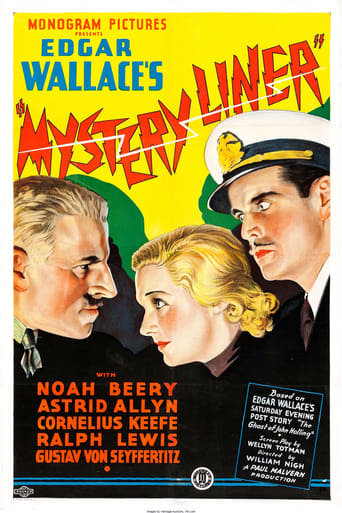
About Astrid Allwyn
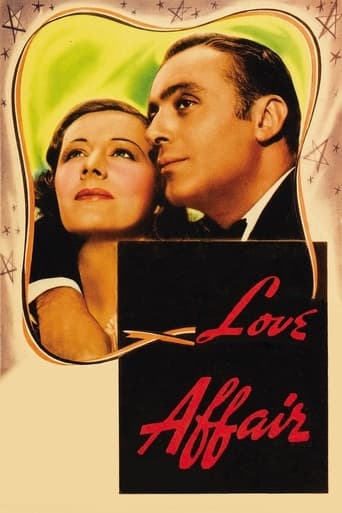
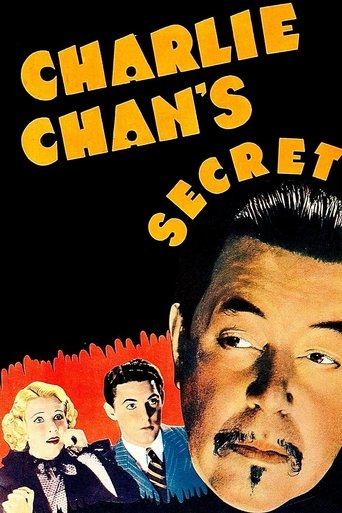
This archive lists one role for Astrid Allwyn: State Fair (1933). Born in South Bend, Indiana, she began her film career in the early 1930s and quickly established herself as a reliable character actress, often portraying sophisticated society women, aristocrats, and elegant supporting characters. Her breakthrough came with her role in the musical drama 'State Fair' (1933), which led to a steady stream of film appearances throughout the decade. Allwyn demonstrated remarkable versatility across genres, appearing in mystery films like 'Charlie Chan's Secret' (1936), romantic dramas such as 'Love Affair' (1939), and historical epics including 'The Adventures of Marco Polo' (1938). Her career peaked in the mid-to-late 1930s when she worked with major studios like MGM and Paramount, sharing the screen with Hollywood's biggest stars. After marrying prominent screenwriter Robert Riskin in 1936, she gradually reduced her film appearances, with her final credited roles coming in the early 1940s. Though her career was relatively brief, Allwyn on 1930s cinema with her refined performances and distinctive screen presence.
The Craft
On Screen
Astrid Allwyn was known for her elegant and refined screen presence, often embodying sophisticated society women with grace and poise. Her acting style was characterized by subtle expressions and a dignified demeanor that made her particularly effective in period pieces and costume dramas. She possessed a natural aristocratic bearing that suited her frequent casting as upper-class characters, and she brought depth to supporting roles through her nuanced performances. Allwyn's technique emphasized restraint and elegance, allowing her to stand out even in ensemble casts without overwhelming the lead actors.
Milestones
- Breakthrough role in 'State Fair' (1933)
- Memorable appearance in 'Charlie Chan's Secret' (1936)
- Supporting role in the classic romantic drama 'Love Affair' (1939)
- Part in the historical epic 'The Adventures of Marco Polo' (1938)
- Appeared in 'The Great Waltz' (1938)
- Featured in 'The Story of Vernon and Irene Castle' (1939)
Best Known For
Iconic Roles
Must-See Films
Working Relationships
Worked Often With
Studios
Why They Matter
Impact on Culture
Astrid Allwyn contributed to the 1930s Hollywood cinema by consistently delivering polished performances that elevated the quality of supporting roles during the Golden Age. Her work in films like 'Love Affair' and 'Charlie Chan's Secret' helped define the archetype of the sophisticated society woman that became a staple of classical Hollywood cinema. While never achieving leading lady status, Allwyn's reliability and professionalism made her a valuable asset to major studios during a period when character actors were essential to the studio system. Her performances reflected the elegance and refinement that characterized Hollywood's golden era, contributing to the enduring appeal of 1930s cinema for subsequent generations.
Lasting Legacy
Though not widely remembered by contemporary audiences, Astrid Allwyn's legacy endures through her contributions to some of the most beloved films of the 1930s. Her work represents the important role that character actresses played in creating the rich, immersive worlds of classic Hollywood cinema. Film historians and classic movie enthusiasts continue to appreciate her performances in films like 'Love Affair,' which remains a touchstone of romantic cinema. Her marriage to Robert Riskin also connects her to.
Who They Inspired
As a supporting actress during Hollywood's studio era, Astrid Allwyn helped establish the template for sophisticated, elegant character portrayals that would influence subsequent generations of character actresses. Her ability to bring depth and refinement to relatively small roles demonstrated how supporting performances could significantly enhance a film's overall quality. While she didn't mentor specific actors directly, her work ethic and professional approach exemplified the standards that characterized Hollywood's Golden Age, setting an example for performers who followed in similar character roles.
Off Screen
Astrid Allwyn married Robert Riskin, one of Hollywood's most prominent screenwriters, in 1936. Riskin was renowned for his collaborations with director Frank Capra, having written classics like 'It Happened One Night' and 'Mr. Deeds Goes to Town.' Their marriage lasted until Riskin's death in 1955, and they had two children together. After her marriage, Allwyn gradually reduced her film appearances, focusing more on her family life. She remained married to Riskin for 19 years until his passing, after which she lived a relatively private life away from the Hollywood spotlight.
Family
- Robert Riskin (1936-1955)
Did You Know?
- Born Astrid Allwyn in South Bend, Indiana, on November 27, 1906
- Married to renowned screenwriter Robert Riskin, who wrote many Frank Capra classics
- Appeared in over 30 films during her decade-long career
- Often typecast as society women and aristocratic characters due to her elegant demeanor
- Her final film appearances came in the early 1940s as she reduced her acting work after marriage
- Worked with major Hollywood studios including MGM, Paramount, and RKO
- Appeared in 'Love Affair' (1939), which was later remade as 'An Affair to Remember'
- Her husband Robert Riskin won an Academy Award for 'It Happened One Night' during their marriage
- Shared the screen with many of Hollywood's biggest stars of the 1930s
- Her active years covered the transition from early sound films to the more sophisticated productions of the late 1930s
In Their Own Words
No widely documented famous quotes are attributed to Astrid Allwyn, as was common for supporting actresses of her era who primarily let their performances speak for themselves rather than engaging in extensive public commentary or interviews.
Frequently Asked Questions
Who was Astrid Allwyn?
American actress who worked primarily in the 1930s, known for her elegant portrayals of sophisticated society women and supporting characters in classic Hollywood films. She appeared in over 30 movies during her career, including notable films like 'Love Affair' and 'Charlie Chan's Secret.'
What films is Astrid Allwyn best known for?
Titles linked here include Love Affair (1939), Charlie Chan's Secret (1936).
When was Astrid Allwyn born and when did she die?
Born November 27, 1906; died March 16, 1978.
Was Astrid Allwyn married?
Yes, Astrid Allwyn was married to Robert Riskin, a prominent Hollywood screenwriter known for his collaborations with director Frank Capra. They married in 1936 and remained together until Riskin's death in 1955. They had two children together.
What was Astrid Allwyn's acting style?
Astrid Allwyn was known for her elegant and refined acting style, characterized by subtle expressions and a dignified demeanor that made her particularly effective in portraying sophisticated society women. She brought grace and poise to her supporting roles, using restraint and nuance to create memorable characters without overwhelming the leads.
Did Astrid Allwyn win any awards?
There are no documented major awards or nominations for Astrid Allwyn during her career. Like many character actresses of her era, her contributions were recognized through consistent work rather than formal accolades, though she was valued by studios for her reliability and professionalism.
Why did Astrid Allwyn's career end?
Astrid Allwyn gradually reduced her film appearances after marrying screenwriter Robert Riskin in 1936. Her last credited roles came in the early 1940s, after which she focused more on her family life. This was a common pattern for actresses of her era who chose to prioritize marriage and family over continued film work.