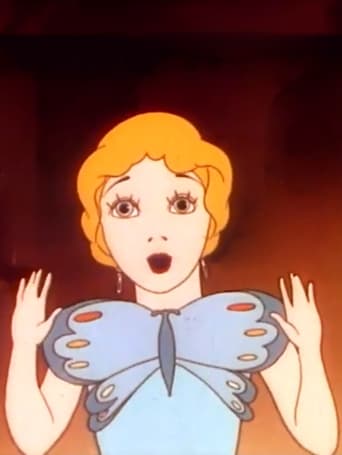
Films
1 film
About Norman B. Terry
American film director active during the mid-1930s, primarily known for his work in animated short films. His career appears to have been brief but significant during the transitional period of early sound animation. Terry directed 'A Coach for Cinderella' in 1936, which represents his sole credited directorial work in the film industry. This places him among the early pioneers of sound animation, a period when studios were rapidly developing techniques and storytelling methods for animated features. While his directorial career was limited to this single production, the film itself is notable for its contribution to the fairy tale adaptation genre in animation. Terry's work reflects the growing sophistication of animation during the Golden Age's early years, when studios were experimenting with both technical and narrative innovations.
The Craft
Behind the Camera
Specialized in animated short films with fairy tale adaptations, likely employing the emerging techniques of sound synchronization and character animation popular in the mid-1930s animation industry
Milestones
- Directed 'A Coach for Cinderella' (1936)
- Contributed to early sound animation era
- Worked during the Golden Age of Hollywood's animation boom
Best Known For
Must-See Films
Why They Matter
Impact on Culture
Norman B. Terry's contribution to cinema, while limited to a single directorial credit, represents part of the broader development of American animation during its crucial transition to sound. His work on 'A Coach for Cinderella' adds to the fairy tale adaptations that helped establish animation as a legitimate cinematic art form. During the mid-1930s, animated shorts were not just entertainment but also laboratories for technical and artistic innovation, with directors like Terry contributing to the evolution of the medium.
Lasting Legacy
Though Norman B. Terry's directorial career was brief, his work is preserved as part of the historical record of early American animation. 'A Coach for Cinderella' stands as proof of the creative energy of the era when animation was establishing itself as a major cinematic force. His contribution, while not widely documented, represents the work of countless lesser-known filmmakers who helped build the foundation of the animation industry we know today.
Who They Inspired
Due to the limited scope of his known work, specific influences of Norman B. Terry on other filmmakers are difficult to trace. However, like many directors working in animation during the 1930s, he would have been part of the collective innovation that influenced the development of animation techniques and storytelling approaches that would later be refined by major studios like Disney and Warner Bros.
Off Screen
Very limited biographical information is available about Norman B. Terry's personal life, which suggests he may have been primarily a behind-the-scenes contributor to the animation industry rather than a public figure.
Did You Know?
- Norman B. Terry's entire known directorial career consists of a single film in 1936
- 'A Coach for Cinderella' was produced during a pivotal year for animation, when Disney was releasing 'Snow White and the Seven Dwarfs' and the industry was rapidly evolving
- The film represents one of many fairy tale adaptations popular during the early sound era
- Very little biographical information exists about Terry, suggesting he may have been primarily a technical contributor rather than a celebrity director
- His work falls within the Golden Age of Hollywood animation, a period that saw tremendous technical and artistic advancement
- The brevity of his directorial career was not uncommon for animation directors of the era, many of whom worked behind the scenes without extensive public recognition
Frequently Asked Questions
Who was Norman B. Terry?
American on YTB.my. His career appears to have been brief, with this single production representing his known directorial work during the Golden Age of Hollywood animation.
What films is Norman B. Terry best known for?
Titles linked here include A Coach for Cinderella (1936).
When was Norman B. Terry active in filmmaking?
Norman B. Terry was active as a director only in 1936, with his entire known filmography consisting of work from that single year during the early Golden Age of Hollywood animation.
What was Norman B. Terry's directing style?
Terry specialized in animated short films, particularly fairy tale adaptations. His work would have employed the emerging techniques of sound synchronization and character animation that were being developed during the mid-1930s animation boom.
Why is there so little information about Norman B. Terry?
The limited biographical information about Norman B. Terry suggests he was likely a behind-the-scenes contributor to the animation industry rather than a public figure, which was common for many technical directors and animators during the early Golden Age period.