Shizuko Mori
Actor
- Active
- 1923-1923
Films 1
About Shizuko Mori
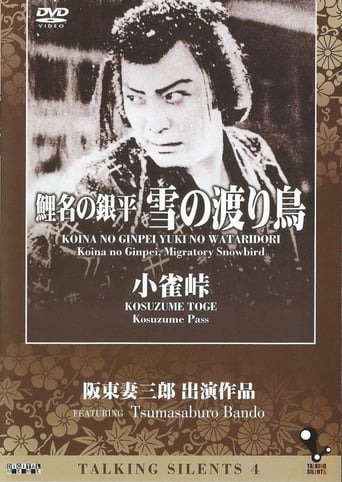
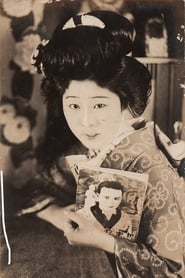
Shizuko Mori is credited as an actor in the 1923 Japanese silent film "Kosuzume Pass," but surviving English-language reference information about her life and career is extremely limited. She appears to belong to the early period of Japanese cinema, when many performers were credited only sporadically and detailed biographical records were not consistently preserved in international databases. At present, no reliably verified information could be confirmed about her birth date, birth place, training, family background, or later life from the sources typically used for classic cinema research. Her known screen work places her in the silent-era Japanese film industry, a period shaped by studio systems, benshi narration, and a rapid evolution of acting styles between stage-influenced performance and more naturalistic screen expression. Because only a single surviving credit has been identified here, it is not possible to reconstruct a fuller career arc without risking confusion with similarly named individuals. She remains a documented but elusive figure in silent cinema history, representative of many early performers whose contributions survive mainly through fragmentary film records rather than extensive publicity or biographical documentation.
More about Shizuko Mori
In film history
Shizuko Mori's cultural significance lies less in celebrity than in what her surviving credit reveals about the early Japanese film industry and the many performers whose names appear in historical filmographies but whose lives were not thoroughly recorded. As a silent-era actor, she belonged to a generation of artists working before the standardized star publicity systems and archival practices that later preserved more complete records. Her presence in "Kosuzume Pass" contributes to the historical record of women working in Japanese cinema during the 1920s, an era of important artistic development and industrial change. For researchers and film historians, names like hers are valuable because they help map the breadth of participation in early filmmaking beyond the better-known stars and directors. Even when individual biographies are incomplete, these credits collectively preserve the labor and visibility of early screen performers.
Later reputation
Shizuko Mori's legacy is primarily archival and historical: she survives in film history as one of the many early Japanese silent-era performers whose names attest to the richness of the medium's formative years. In the absence of extensive biographical documentation or a larger preserved filmography, her importance is tied to the film record itself and to the ongoing effort to identify and preserve the contributions of overlooked artists. Her credit in "Kosuzume Pass" provides a tangible link to 1920s Japanese cinema, a period whose surviving documentation is often fragmented. For modern databases and historians, even a single confirmed credit can be significant because it helps restore individual identity to otherwise anonymous labor in early film production. Her legacy therefore rests in remembrance, cataloging, and scholarly recovery rather than in widely known stardom.
Influence
There is no verifiable evidence that Shizuko Mori directly influenced later actors or filmmakers in a documented, attributable way. However, as part of the silent-era Japanese screen community, she participated in the performance traditions that shaped the visual language and acting conventions of early Japanese cinema. Her historical importance is indirect but real: every documented performer from this era contributes to the broader understanding of casting practices, gender representation, and performance styles in the early industry. In that sense, she forms part of the foundation upon which later, more widely recognized Japanese screen acting developed. Her influence is best understood collectively, through the historical ecosystem she helped populate rather than through a traceable individual legacy.
Off screen
No reliably verified information is currently available about Shizuko Mori's personal life, including family background, marriages, or children. Surviving public records identified in classic film references do not provide enough detail to confirm biographical facts beyond her association with a 1923 film credit. Because of the scarcity of documentation, any specific claims about her private life would be speculative. She should therefore be treated as a historically documented but biographically obscure early cinema performer.
Credits
- Credited as an actor in the 1923 silent film "Kosuzume Pass"
- Represents an early Japanese silent-era screen performer whose work survives in sparse historical records
- Associated with the formative period of Japanese cinema during the 1920s
Films
- "Kosuzume Pass" (1923)
Notes
- Shizuko Mori is currently best documented through a single confirmed credit: "Kosuzume Pass" (1923).
- She appears to have worked during the silent era, before synchronized sound became standard in Japanese cinema.
- Her surviving record is a good example of how many early Japanese film performers are underdocumented in modern databases.
- No reliable English-language biographical profile could be verified for her from standard classic-cinema reference sources.
- Because her name is relatively common, careful identification is important to avoid confusing her with other individuals named Mori or Shizuko.
- Her known work places her among the earliest generations of screen actors in Japanese film history.
- The scarcity of information about her is itself historically meaningful, reflecting archival gaps in early cinema preservation.
Questions
Who was Shizuko Mori?
Shizuko Mori was a Japanese actor identified in surviving records for the 1923 silent film "Kosuzume Pass." Very little biographical information has survived about her life, which is common for many early Japanese cinema performers. She is best understood as a historically documented but still elusive figure from the silent era.
What films is Shizuko Mori best known for?
Her only confirmed film credit in the information currently available is "Kosuzume Pass" (1923). If additional works existed, they are not readily verifiable in the surviving classic-cinema references consulted here. As a result, that film remains her principal known screen appearance.
When was Shizuko Mori born and when did she die?
Her birth and death dates are not currently verifiable from the available historical record. The same is true of her birthplace and other personal details. She is one of many silent-era performers whose exact life dates were not consistently preserved.
What awards did Shizuko Mori win?
No awards or nominations could be reliably verified for Shizuko Mori. This does not necessarily mean she received none; rather, the surviving documentation is too sparse to confirm such information. For many early film performers, formal awards records simply do not survive.
What was Shizuko Mori's acting style?
Her exact acting style is not documented in surviving references. As a performer in a 1923 silent film, she would have worked within the expressive conventions of silent-era Japanese cinema, which often blended stage-influenced gesture with emerging screen naturalism. However, any more specific description would be speculative without film analysis or contemporary reviews.
What is Shizuko Mori's legacy in film history?
Her legacy is primarily historical and archival rather than based on widespread fame. She represents the many early Japanese screen performers whose names survive in film credits even when fuller biographies do not. That makes her important to researchers studying the development of silent cinema and the preservation of film history.