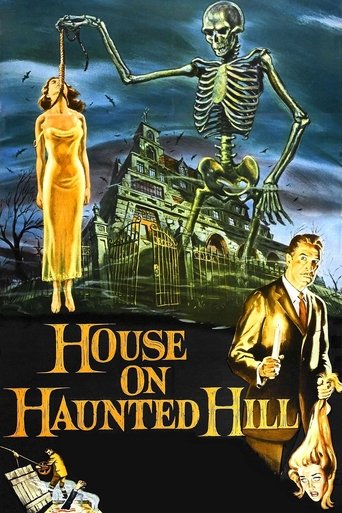
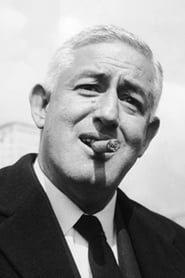
William Castle
Director
Born: April 24, 1914 in New York City, New York, USA Died: May 31, 1977 Active: 1943-1977 Birth Name: William Schloss
Films
2 films
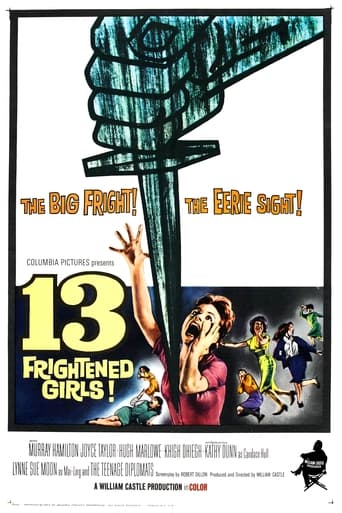
About William Castle
William Castle, born William Schloss, was an American film director, producer, and showman who revolutionized horror cinema with his innovative marketing gimmicks and audience participation techniques. Beginning his career as a theater usher and working his way up through the studio system as a script clerk and assistant director, Castle established himself excelled in low-budget psychological thrillers in the 1950s and 1960s. His breakthrough came with 'Macabre' (1958), which he promoted with a $1,000 insurance policy against death by fright, setting the template for his signature approach of combining scares with sensational publicity stunts. Castle created some of horror cinema's most memorable gimmicks, including 'Emergo' (a skeleton that flew over the audience) for 'House on Haunted Hill' (1959), 'Percepto' (vibrating theater seats) for 'The Tingler' (1959), and 'Illusion-O' (special ghost-viewer glasses) for '13 Ghosts' (1960). Beyond his directing career, Castle became a successful producer, most notably for Roman Polanski's 'Rosemary's Baby' (1968), which earned him an Academy Award nomination for Best Picture. His over three decades, during which he directed more than 50 films and became beloved by horror fans for his playful approach to terror and his showman's instinct for entertainment.
The Craft
Behind the Camera
William Castle's directing style was characterized by his emphasis on entertainment value over artistic pretension, combining B-movie sensibilities with theatrical showmanship. He specialized in psychological horror and suspense thrillers that relied on atmosphere and audience manipulation rather than graphic violence or complex narratives. Castle understood the communal experience of moviegoing and designed his films to be interactive events, often breaking the fourth wall and directly addressing the audience. His visual approach was straightforward and efficient, maximizing impact within limited budgets through clever camera work and timing. Castle's films typically featured ordinary people in extraordinary situations, making the horror relatable while his promotional gimmicks blurred the line between screen and reality, creating a unique immersive experience that predated modern interactive entertainment.
Milestones
- Directed 'Macabre' (1958) with $1,000 insurance policy gimmick
- Created 'Emergo' flying skeleton for 'House on Haunted Hill' (1959)
- Developed 'Percepto' vibrating seats for 'The Tingler' (1959)
- Introduced 'Illusion-O' ghost-viewer glasses for '13 Ghosts' (1960)
- Produced Roman Polanski's 'Rosemary's Baby' (1968)
- Received Academy Award nomination for Best Picture for 'Rosemary's Baby'
- Published autobiography 'Step Right Up! I'm Gonna Scare the Pants Off America' (1976)
Best Known For
Must-See Films
Accolades
Won
- Golden Scroll Award from the Academy of Science Fiction, Fantasy & Horror Films (1976)
Nominated
- Academy Award nomination for Best Picture for 'Rosemary's Baby' (1968)
- Golden Globe nomination for Best Motion Picture for 'Rosemary's Baby' (1968)
Special Recognition
- Hollywood Walk of Fame star at 6326 Hollywood Boulevard
- Posthumous induction into the Horror Hall of Fame
- Cult film status for numerous works
- Retrospectives at film festivals worldwide
- Subject of documentary 'Spine Tingler! The William Castle Story' (2007)
Working Relationships
Worked Often With
Studios
Why They Matter
Impact on Culture
William Castle fundamentally changed the relationship between horror films and their audiences by transforming passive viewing into participatory experiences. His innovative gimmicks and promotional stunts created a new model for film marketing that emphasized spectacle and audience engagement, influencing everything from 3D movies to modern interactive cinema. Castle's approach demonstrated that low-budget films could compete with studio productions through creativity and showmanship, paving the way for independent horror filmmakers. His films became cultural touchstones that defined the horror experience for generations of moviegoers, while his persona as the 'Master of Showmanship' created a template for director-as-brand marketing. Castle's work also helped establish horror as a commercially viable genre that could appeal to mainstream audiences without relying on excessive gore or complex psychological themes.
Lasting Legacy
William Castle's legacy endures as one of cinema's greatest innovators in audience engagement and film marketing. His influence can be seen in everything from modern horror marketing campaigns to interactive cinema experiences and theme park attractions. Castle's films have achieved cult status and continue to be screened at revival theaters and horror film festivals, introducing new generations to his unique brand of entertainment. The 'William Castle style' of combining scares with showmanship has been emulated by countless filmmakers, while his business model of maximizing profits from low-budget productions through creative marketing has become standard practice in independent cinema. Castle's autobiography and documentaries about his work have cemented his reputation as a visionary who understood that movies are not just art but entertainment experiences. His discovery and support of Roman Polanski for 'Rosemary's Baby' also demonstrates his eye for talent and his contribution to one of horror cinema's most acclaimed films.
Who They Inspired
Castle's influence extends far beyond his own films, impacting generations of filmmakers who admired his entrepreneurial spirit and understanding of audience psychology. Directors like John Waters, Joe Dante, John Carpenter, and Tim Burton have all cited Castle as a major influence on their work, particularly his blend of horror and humor and his showman's approach to filmmaking. His gimmick-based marketing has been adapted for modern films, from interactive movie posters to social media campaigns. Castle's success in producing 'Rosemary's Baby' also demonstrated his ability to identify and nurture talent, influencing how producers approach horror projects. The home video and DVD releases of his films often include replicas of his original gimmicks, showing how his innovations continue to enhance the viewing experience. Castle's work has also inspired academic study of audience participation and the economics of low-budget filmmaking.
Off Screen
William Castle was married twice, first to actress Lorraine Krueger from 1939 to 1945, and then to Ellen Falbaum from 1946 until his death in 1977. He had two daughters with Ellen, Terry and Constance, who later became involved in preserving their father's legacy. Castle was known for his tireless work ethic and boundless energy, often working on multiple projects simultaneously. Despite his showman persona, he was described by colleagues as a warm, generous man who genuinely loved entertaining audiences. He suffered from heart problems in his later years and died of a heart attack at age 63 in Los Angeles, leaving behind a legacy as one of cinema's greatest showmen.
Education
Self-taught in filmmaking; attended public schools in New York City; no formal film education
Family
- Lorraine Krueger (1939-1945)
- Ellen Falbaum (1946-1977)
Did You Know?
- Changed his name from Schloss to Castle because he thought it sounded more American and less Jewish
- Offered $1,000 insurance policies to moviegoers who died of fright during 'Macabre' screenings
- Installed vibrating 'Percepto' devices under theater seats for 'The Tingler' to physically scare audiences
- Created 'Illusion-O' glasses for '13 Ghosts' that allowed viewers to see or not see the ghosts
- Used a glow-in-the-dark skeleton that flew over audiences ('Emergo') for 'House on Haunted Hill'
- For 'Homicidal', installed a 'fright break' timer allowing scared viewers to leave and get a refund
- For 'Mr. Sardonicus', audiences could vote on whether the villain should be punished or spared
- Made cameo appearances in many of his own films, often introducing the story or interacting with characters
- His production company was called 'William Castle Productions' and later 'Castle Productions'
- Was a close friend of Alfred Hitchcock and was considered for directing episodes of 'Alfred Hitchcock Presents'
- His daughter Terry wrote a book about her father's influence on her academic career
- The 2001 remake of 'Thirteen Ghosts' was dedicated to his memory
- A fictionalized version of Castle appears in the 'American Horror Story' TV series
- His films were often shot in just 2-3 weeks to keep costs low
- He once said 'I have a reputation for making very cheap pictures. I'm proud of it.'
In Their Own Words
I have a reputation for making very cheap pictures. I'm proud of it.
I'm not a director. I'm a showman.
The whole secret to picture-making is to keep the audience on the edge of their seats.
I don't make horror pictures. I make suspense pictures. I don't want to show you the monster. I want to suggest him.
If you're going to sell something, you have to make it exciting.
I'm in the entertainment business, not the art business.
The most important thing in a picture is the gimmick. The gimmick is what sells the picture.
I've always believed that terror is the most profound emotion you can create in an audience.
I'm not trying to make art. I'm trying to make money and have fun doing it.
The audience is the star of my pictures. Without them, I'm nothing.
Frequently Asked Questions
Who was William Castle?
American on YTB.my. He was known as the 'Master of Showmanship' for creating interactive movie experiences that blurred the line between screen and audience.
What films is William Castle best known for?
Titles linked here include House on Haunted Hill (1959), The Tingler (1959).
When was William Castle born and when did he die?
Born April 24, 1914; died May 31, 1977.
What awards did William Castle win?
Castle received a Golden Scroll Award from the Academy of Science Fiction, Fantasy & Horror Films in 1976. He was nominated for an Academy Award for Best Picture as producer of 'Rosemary's Baby' (1968) and has a star on the Hollywood Walk of Fame.
What was William Castle's directing style?
Castle's directing style emphasized entertainment value and audience participation over artistic pretension. He specialized in psychological horror with theatrical showmanship, creating immersive experiences through innovative gimmicks like vibrating seats, flying skeletons, and special viewing glasses.
What were William Castle's famous gimmicks?
Castle's famous gimmicks included 'Emergo' (flying skeleton), 'Percepto' (vibrating seats), 'Illusion-O' (ghost-viewer glasses), 'fright breaks' with refunds, and audience voting on plot outcomes. He also offered $1,000 insurance policies against death by fright.
How did William Castle influence modern cinema?
Castle influenced modern cinema through his innovative marketing techniques, audience participation concepts, and success with low-budget horror films. His work inspired directors like Tim Burton, John Carpenter, and Joe Dante, while his marketing approach foreshadowed modern interactive entertainment and viral campaigns.
What was William Castle's real name?
William Castle was born William Schloss. He changed his name because he thought 'Castle' sounded more American and less Jewish, which he believed would help his career in Hollywood.