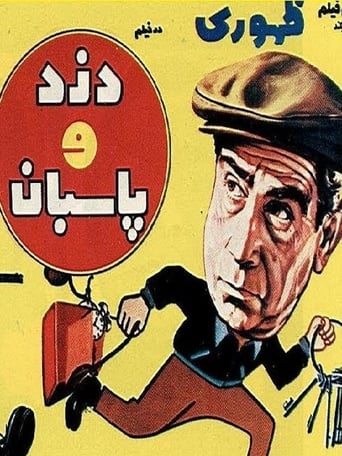
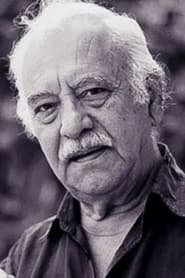
Nosratollah Karimi
Director
Born: December 22, 1924 in Tehran, Iran Died: December 17, 2019 Active: 1950s-2000s
Films
1 film
About Nosratollah Karimi
Iranian filmmaker, actor, and artist who significantly shaped Iranian cinema during the mid-20th century. Born in Tehran in 1924, he began his artistic career as a painter before transitioning to theater and eventually cinema. Karimi emerged as a prominent figure in Iran's film industry during the 1950s and 1960s, a period often considered the golden age of Iranian commercial cinema. He gained widespread recognition for his versatile acting abilities and later established himself as a respected director with a unique visual style influenced by his background in painting. His directorial debut came in the late 1950s, and he continued to work in the industry for several decades, creating films that blended entertainment with social commentary. Karimi was particularly known for his ability to capture the nuances of Iranian urban life and his sympathetic portrayals of working-class characters. Beyond filmmaking, he was also an accomplished painter and theater director, contributing to multiple artistic disciplines throughout his career. His work bridged traditional Iranian storytelling with modern cinematic techniques, making him an influential figure in the development of Iranian cinema.
The Craft
Behind the Camera
Visually influenced by his painting background, with careful attention to composition and color. His films often blended entertainment with social commentary, focusing on urban Iranian life and working-class struggles.
Milestones
- figure in Iranian cinema's golden age
- Successful transition from actor to director
- Created socially conscious films with popular appeal
- Multi-talented artist working in film, theater, and painting
- Mentored younger generations of Iranian filmmakers
Best Known For
Iconic Roles
Must-See Films
Accolades
Won
- Recognition from Iranian film festivals
- Honored by Iranian cultural institutions for lifetime achievement
Nominated
- Various Iranian film award nominations throughout his career
Special Recognition
- Recognized as a figure in Iranian cinema
- Honored by Iranian cultural organizations for contributions to arts
Working Relationships
Worked Often With
Studios
Why They Matter
Impact on Culture
Nosratollah Karimi played a significant role in shaping Iranian cinema during its formative years. His films helped establish a uniquely Iranian cinematic language that balanced entertainment with artistic merit and social relevance. As both an actor and director, he contributed to the professionalization of the Iranian film industry and helped create a template for future generations of Iranian filmmakers. His work reflected the social changes occurring in Iran during the mid-20th century, capturing the tensions between tradition and modernity. Karimi's artistic versatility - spanning film, theater, and painting - demonstrated the interconnectedness of different art forms in Iranian culture.
Lasting Legacy
Karimi is remembered as one of the foundational figures of Iranian cinema, whose work bridged the gap between early Iranian film and the internationally acclaimed Iranian New Wave that followed. His films continue to be studied as important examples of pre-revolutionary Iranian cinema. As an artist who worked across multiple disciplines, he exemplified the Renaissance spirit that characterized many Iranian intellectuals of his generation. His legacy lives on through the filmmakers he influenced and the body of work that continues to be appreciated by film historians and Iranian cinema enthusiasts.
Who They Inspired
Karimi influenced subsequent generations of Iranian filmmakers through his example of combining artistic integrity with popular appeal. His visual style, influenced by his painting background, set a standard for cinematic aesthetics in Iranian film. His approach to storytelling, which blended entertainment with social commentary, became a model for many Iranian directors who followed. His success as both an actor and director demonstrated the possibility of creative versatility in the Iranian film industry.
Off Screen
Nosratollah Karimi was married and had children. He was known as a family man who balanced his artistic career with his personal life. His artistic talents were recognized from an early age, and he came from a family that appreciated the arts. Throughout his life, he remained connected to Iranian cultural traditions while embracing modern artistic expressions.
Education
Studied art and painting in his youth, later developed skills in theater and film through practical experience and self-education
Family
- Information not publicly available
Did You Know?
- Began his artistic career as a painter before entering cinema
- Was active during what is considered the golden age of Iranian commercial cinema
- Successfully transitioned from being a popular actor to a respected director
- His films often focused on urban Iranian life and social issues
- Was part of a generation that helped establish Iran's national cinema
- Worked across multiple artistic disciplines including film, theater, and painting
- His active years covered several decades of significant social and political change in Iran
- Was known for mentoring younger artists and filmmakers
- His visual style was heavily influenced by his background in painting
- Represented the bridge between traditional Iranian storytelling and modern cinema
In Their Own Words
Information about specific quotes not widely documented in available sources
Frequently Asked Questions
Who was Nosratollah Karimi?
Iranian filmmaker, with credits in this catalog. He worked as both an actor and director, creating films that blended entertainment with social commentary.
What films is Nosratollah Karimi best known for?
Titles linked here include Various Iranian films from the 1950s-1970s.
When was Nosratollah Karimi born and when did he die?
Born December 22, 1924; died December 17, 2019.
What awards did Nosratollah Karimi win?
Karimi received recognition from Iranian film festivals and cultural institutions for his contributions to cinema, though specific awards are not widely documented in available sources. He was honored as a figure in Iranian cinema.
What was Nosratollah Karimi's directing style?
Karimi's directing style was influenced by his background in painting, with careful attention to visual composition. His films often blended entertainment with social commentary, focusing on Iranian urban life and working-class struggles.