
Films
2 films
About Mohsen Makhmalbaf
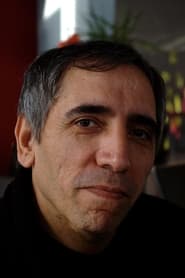
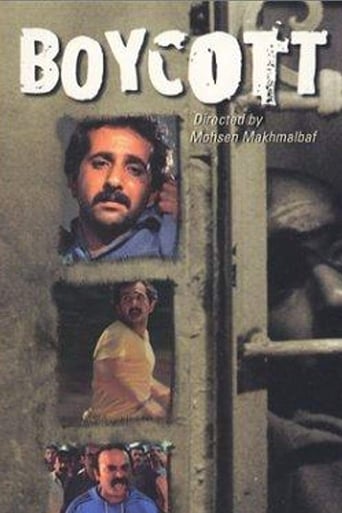
Mohsen Makhmalbaf is a renowned Iranian film director, writer, and producer who emerged as a major figure in Iranian New Wave cinema. Born in 1957 in Tehran, he began his artistic career as a writer and made his directorial debut with 'Boycott' in 1985, which established his reputation for politically charged and socially conscious filmmaking. His early works, including 'The Cyclist' (1987), garnered international attention for their poetic realism and critique of social conditions in post-revolutionary Iran. Makhmalbaf founded the Makhmalbaf Film House in 1996, which became an influential film school and production company that trained several notable Iranian filmmakers. His filmography spans over 30 films, including internationally acclaimed works like 'Salaam Cinema' (1995), 'Kandahar' (2001), and 'The President' (2014). Known for his versatility and experimental approach, he has worked across various genres from documentary to fiction, often blending elements of both. Makhmalbaf's career has been marked by periods of exile and international recognition, making him one of Iran's most prominent cultural ambassadors through cinema.
The Craft
Behind the Camera
Makhmalbaf's directing style is characterized by poetic realism, social commentary, and a blend of documentary and fictional elements. He often employs non-professional actors and uses long takes to create authentic, immersive experiences. His films frequently explore themes of oppression, freedom, and the human condition, with a distinctive visual poetry that combines Iranian cultural elements with universal themes.
Milestones
- Directed debut film 'Boycott' (1985)
- Founded Makhmalbaf Film House (1996)
- International acclaim for 'Kandahar' (2001)
- Venice Film Festival Golden Lion winner for 'The President' (2014)
- Established film school training multiple generation of Iranian filmmakers
Best Known For
Must-See Films
Accolades
Won
- Golden Lion (Venice Film Festival) for 'The President' (2014)
- Golden Seagull (Fajr Film Festival) for 'Boycott' (1985)
- UNESCO Award (Cannes Film Festival) for 'Kandahar' (2001)
- Sitges Film Festival Best Film for 'Gabbeh' (1996)
Nominated
- Palme d'Or nomination (Cannes) for 'Salaam Cinema' (1995)
- Golden Lion nomination (Venice) for 'Kandahar' (2001)
- Golden Bear nomination (Berlin) for 'A Moment of Innocence' (1996)
Special Recognition
- Knight of the Order of Arts and Letters (France)
- Lifetime Achievement Award (Locarno Film Festival)
- Honorary Doctorate (University of London)
- Cinema Master Award (Busan International Film Festival)
Working Relationships
Worked Often With
Studios
Why They Matter
Impact on Culture
Makhmalbaf has significantly impacted both Iranian and world cinema through his unique blend of political consciousness and artistic innovation. His films have brought international attention to Iranian cinema and social issues, helping establish Iran as a major force in arthouse cinema during the 1990s and 2000s. Through his film school, he has trained multiple generations of filmmakers, creating a lasting influence on Iranian cinematic language and storytelling. His work has been instrumental in creating dialogue between Eastern and Western cinema, often serving as cultural bridges through universal themes presented through Iranian contexts.
Lasting Legacy
Makhmalbaf's legacy extends beyond his own films to include the establishment of a cinematic dynasty and educational institution. He is credited with helping create the 'Makhmalbaf style' of filmmaking, characterized by its poetic approach to social issues. His influence can be seen in the work of his children and numerous students who have become prominent filmmakers themselves. The Makhmalbaf Film House continues to be an important center for cinematic education and production in the Iranian diaspora.
Who They Inspired
Makhmalbaf has influenced filmmakers globally through his innovative narrative techniques and his ability to blend documentary realism with fictional storytelling. His approach to using cinema as a tool for social commentary has inspired filmmakers in developing countries to use their art for political expression. The success of his family of filmmakers has demonstrated how cinematic knowledge can be transmitted across generations, creating a unique model of film education and artistic development.
Off Screen
Makhmalbaf's personal life has been marked by political activism and artistic dedication. He was imprisoned during his youth for anti-Shah activities and was a member of an Islamist group before turning to cinema. He married Marzieh Meshkini, who also became a filmmaker, and they have children who followed in their artistic footsteps. The family has lived in various countries including Iran, Tajikistan, and France due to political circumstances. Makhmalbaf has been vocal about social and political issues throughout his career, often facing censorship and exile as a result.
Education
Self-taught filmmaker; no formal film education; studied political activism and literature during youth
Family
- Marzieh Meshkini (1983-present)
Did You Know?
- Was imprisoned at age 17 for anti-Shah activities and stabbed by a guard
- Started as a writer of romance novels before turning to cinema
- His film 'Kandahar' gained renewed attention after 9/11 for its portrayal of Afghanistan
- Has been arrested multiple times in different countries for political activism
- Founded the first independent film school in Iran
- His films have been banned in Iran at various times for political reasons
- Has lived in exile in multiple countries including Tajikistan and France
- Teaches filmmaking workshops globally
- Has directed films in multiple languages including Farsi, Dari, and English
- His daughter Samira became the youngest director to win the Cannes Jury Prize at age 20
In Their Own Words
Cinema is the last weapon that can change the world
I make films because I want to change society, not just reflect it
Every film is a political act, whether the filmmaker knows it or not
The camera is more powerful than the gun
I don't make films for Iran or for the West, I make films for humanity
Frequently Asked Questions
Who was Mohsen Makhmalbaf?
Mohsen Makhmalbaf is an influential Iranian film director, writer, and producer known for his politically charged and socially conscious films that have gained international acclaim since the 1980s.
What films is Mohsen Makhmalbaf best known for?
His most famous films include 'Boycott' (1985), 'The Cyclist' (1987), 'Salaam Cinema' (1995), 'Kandahar' (2001), and 'The President' (2014), which won the Golden Lion at Venice.
When was Mohsen Makhmalbaf born and when did he die?
Mohsen Makhmalbaf was born on May 29, 1957, in Tehran, Iran, and is still alive and actively making films as of 2024.
What awards did Mohsen Makhmalbaf win?
He has won numerous awards including the Golden Lion at Venice Film Festival for 'The President' (2014), UNESCO Award at Cannes for 'Kandahar' (2001), and multiple lifetime achievement honors from international film festivals.
What was Mohsen Makhmalbaf's directing style?
Makhmalbaf's directing style combines poetic realism with social commentary, often blending documentary and fictional elements, using non-professional actors, and exploring themes of oppression and freedom through visually striking cinematography.