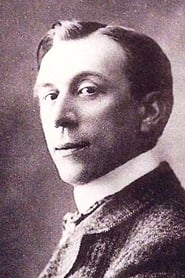
Émile Mylo
Actor
- Active
- 1919-1919
Films 1
About Émile Mylo
Émile Mylo was a Belgian screen actor active during the silent-film era, known primarily for his appearance in the 1919 historical drama La Belgique martyre. Beyond this credited screen role, surviving readily accessible film-reference sources preserve very little biographical detail about his life, which suggests that he was one of the many early European performers whose careers were documented only sparsely in contemporary trade publications and later archives. His known film activity places him in the immediate post-World War I period, a time when Belgian and other European filmmakers were turning to patriotic, reconstruction-minded subjects that reflected the trauma of wartime occupation and national recovery. Mylo’s presence in La Belgique martyre indicates participation in a film with strong civic and historical significance rather than in an ongoing star-driven studio career. No widely verified record currently confirms additional screen roles, stage background, personal life details, or later career developments. Because of this, he remains a largely obscure figure in classic cinema history, remembered chiefly through filmography databases and the historical importance of the film with which his name is associated. His archival significance lies in representing the many early silent-era performers whose work survives in fragments rather than in a substantial public persona.
More about Émile Mylo
On screen
No reliable contemporary or archival description of Émile Mylo's acting style has been located in accessible sources. Given the silent-era context of his known screen work, his performance would have relied on the expressive physical and facial techniques typical of early cinema, but any more specific characterization would be speculative.
In film history
Émile Mylo's cultural impact is best understood within the context of early Belgian silent cinema rather than as that of a widely famous star. His documented participation in La Belgique martyre places him in a film tied to collective memory and national identity in the aftermath of the First World War, a subject of considerable emotional and historical resonance for Belgian audiences. Even when individual performers from this period are obscure, their work contributes to the preservation of national film culture and to the broader history of European cinema after 1918. Mylo's name endures because film historians and database compilers continue to record the credits of early productions that might otherwise be lost to public memory. In that sense, his cultural value is archival as much as performative.
Later reputation
Émile Mylo's lasting legacy is primarily one of documentation: he survives in the historical record as a participant in an important silent-era Belgian film, even though little else about him has been preserved. This makes him representative of a large class of early cinema workers whose careers are only partially visible through surviving credits, production notes, and later reference works. For film historians, such names are important because they help reconstruct the personnel networks of regional silent cinema and illuminate the scale of production activity outside Hollywood. His legacy therefore lies not in fame or a large filmography, but in the evidence he provides about the composition of Belgian screen culture in 1919. The preservation of his credit also underscores how fragile early cinematic memory can be, especially for actors who did not transition into the more heavily documented sound era.
Influence
There is no verifiable evidence that Émile Mylo directly mentored later actors or had an identifiable influence on major performers or directors. Any influence he exerted would have been indirect, through participation in the early Belgian silent-film tradition and the collective performance culture of the period. His historical significance is therefore rooted more in contribution than in measurable personal influence.
Off screen
No verified public information is readily available concerning Émile Mylo's personal life, including family background, marital history, education, or life after his known screen appearance. Standard classic-cinema reference sources do not appear to preserve enough detail to reconstruct a fuller private biography with confidence. As a result, any claims about spouses, children, or long-term residence would be speculative and are not included here.
Credits
- Appeared in the 1919 silent historical film La Belgique martyre
- Part of the post-World War I Belgian cinema milieu that dealt with occupation, loss, and national remembrance
- Represents one of the many under-documented performers from the European silent era whose work survives mainly in filmography records
Roles
- Role in La Belgique martyre (1919) - character name not reliably documented in accessible sources
Films
- La Belgique martyre (1919)
Notes
- Émile Mylo is chiefly documented through a single known film credit: La Belgique martyre (1919).
- He was active in the silent era, when many performers were recorded only in sparse production listings.
- His known work is associated with a film whose title suggests a patriotic or commemorative treatment of Belgium's wartime suffering.
- Accessible sources do not readily preserve his birth or death dates, making him an especially elusive early cinema figure.
- He appears to have been a Belgian screen performer rather than an international star with a broad surviving filmography.
- Because of the limited surviving record, he is often of interest to researchers of obscure European silent-film credits rather than to general audiences.
- His surviving filmography suggests activity limited to a very narrow documented window in 1919.
- He exemplifies how many early film artists remain known today only through archival catalogues and database entries.
Questions
Who was Émile Mylo?
Émile Mylo was a Belgian actor from the silent-film era, best known for appearing in La Belgique martyre (1919). He is an obscure classic-cinema figure whose surviving record is very limited, so most of what is known comes from filmography listings rather than detailed biographical sources.
What films is Émile Mylo best known for?
He is best known for La Belgique martyre (1919), which appears to be his only securely documented screen credit in accessible sources. No other reliably verified film titles are readily associated with him.
When was Émile Mylo born and when did he die?
His birth and death dates are not currently verified in accessible classic-cinema reference sources. The available record is too sparse to state his full lifespan with confidence.
What awards did Émile Mylo win?
No verified awards or formal honors are known for Émile Mylo. This is not unusual for many early silent-era actors, especially those whose careers were short or incompletely documented.
What was Émile Mylo's acting style?
No contemporary description of his acting style has been reliably preserved. As a silent-era performer, his work would have depended on physical expression, gesture, and facial nuance, but any more specific assessment would be speculative.
What is Émile Mylo's legacy in film history?
His legacy is mainly archival and historical. He represents the many early European film performers whose contributions are preserved only in fragmentary records, yet who helped build the silent-era cinema of their country.