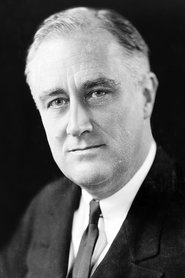
Franklin D. Roosevelt
Actor
Born: January 30, 1882 in Hyde Park, New York, USA Died: April 12, 1945 Active: 1945 (archival appearance only) Birth Name: Franklin Delano Roosevelt
Films
1 film
About Franklin D. Roosevelt
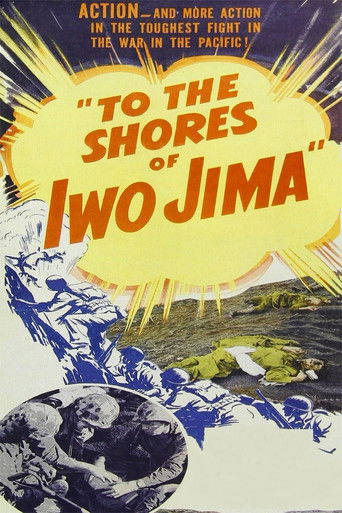
Franklin Delano Roosevelt was not a professional actor but rather the 32nd President of the United States who served from 1933 until his death in 1945. His appearance in 'To the Shores of Iwo Jima' (1945) was through archival footage of his presidential speeches and wartime addresses, not through acting performances. Roosevelt led America through the Great Depression and most of World War II, becoming figures in American history. His leadership during WWII, including his role as Commander-in-Chief, made him a significant figure in wartime documentation and propaganda films. The documentary 'To the Shores of Iwo Jima' included his footage to provide historical context and presidential authority to the narrative of the Pacific campaign. Roosevelt's distinctive speaking style and confident presidential presence made his archival footage valuable for wartime documentaries seeking to inspire and inform the American public.
The Craft
On Screen
Not applicable - appeared only through archival footage of presidential addresses
Milestones
- Elected Governor of New York (1928)
- Elected 32nd President of the United States (1932)
- Led America through Great Depression with New Deal policies
- Commander-in-Chief during WWII
- Only president to serve more than two terms
Best Known For
Iconic Roles
Must-See Films
Accolades
Won
- Time Magazine's Man of the Year (1932, 1934, 1941)
Special Recognition
- Memorial on the dime coin
- Washington D.C. Memorial
- Numerous schools, buildings, and institutions named in his honor
Why They Matter
Impact on Culture
Franklin D. Roosevelt's impact on cinema was indirect but significant through his role as a wartime leader whose speeches and appearances were frequently used in newsreels and documentaries. His Fireside Chats revolutionized political communication and influenced how political figures would use media to connect with the public. Roosevelt's confident leadership style and distinctive voice made his archival footage particularly valuable for wartime propaganda and documentary films seeking to inspire American resolve during WWII.
Lasting Legacy
Roosevelt's legacy in film is primarily through the extensive archival footage of his presidency that continues to be used in historical documentaries. His speeches about democracy, freedom, and American values have been featured in countless films about WWII and American history. The visual record of his leadership, despite his physical disability, created a powerful image of presidential strength that influenced how future presidents would present themselves through media.
Who They Inspired
Roosevelt's mastery of radio communication through his Fireside Chats influenced how political figures would use broadcast media to connect with audiences. His understanding of media's power to shape public opinion set precedents for how future leaders would use film and television for political communication. The documentation of his presidency created an extensive visual archive that has influenced how historical films portray presidential leadership during times of crisis.
Off Screen
Franklin D. Roosevelt came from a prominent New York family and was distantly related to President Theodore Roosevelt. He contracted polio in 1921, which left him paralyzed from the waist down, though he concealed the extent of his disability from the public during his presidency. He was married to Eleanor Roosevelt, who became an influential figure in her own right. Roosevelt had six children and maintained the family estate in Hyde Park throughout his political career.
Education
Harvard University (BA), Columbia Law School (attended but did not graduate)
Family
- Eleanor Roosevelt (1905-1945)
Did You Know?
- FDR was the first president to appear on television (1939 World's Fair)
- He was an avid stamp collector with over 1 million stamps
- Roosevelt was distantly related to 11 other U.S. Presidents
- He served as Assistant Secretary of the Navy under Woodrow Wilson
- FDR was the only president to serve more than two terms (elected four times)
- His Scottish Terrier, Fala, became a celebrity and accompanied him everywhere
- Roosevelt designed the presidential seal still used today
- He was a fifth cousin of Theodore Roosevelt
- FDR established the first presidential library
- His birthday is observed as a holiday in some states
In Their Own Words
The only thing we have to fear is fear itself (1933 inaugural address)
Yesterday, December 7, 1941—a date which will live in infamy (Pearl Harbor address)
This generation of Americans has a rendezvous with destiny (1936 Democratic convention)
The test of our progress is not whether we add more to the abundance of those who have much; it is whether we provide enough for those who have too little
Frequently Asked Questions
Who was Franklin D. Roosevelt?
Franklin D. Roosevelt was the 32nd President of the United States, serving from 1933 to 1945. He led America through the Great Depression and most of World War II, becoming the only president to serve more than two terms.
What films is Franklin D. Roosevelt best known for?
Roosevelt appeared only through archival footage in documentaries, most notably 'To the Shores of Iwo Jima' (1945). His presence in films comes from newsreels and wartime documentaries that used recordings of his presidential speeches.
When was Franklin D. Roosevelt born and when did he die?
Franklin D. Roosevelt was born on January 30, 1882, in Hyde Park, New York, and died on April 12, 1945, in Warm Springs, Georgia, just months before the end of World War II.
What awards did Franklin D. Roosevelt win?
Roosevelt was named Time Magazine's Man of the Year three times (1932, 1934, 1941) and received numerous honors including having his portrait on the U.S. Dime. He did not receive film industry awards as he was not an actor.
What was Franklin D. Roosevelt's role in cinema?
Roosevelt was not an actor but appeared in films through archival footage of his presidential speeches and addresses. His distinctive speaking voice and confident leadership made his recordings valuable for wartime documentaries and historical films.