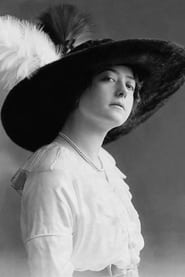
Dorrit Weixler
Actor
- Active
- 1914-1914
Films 1
About Dorrit Weixler
Dorrit Weixler was a German silent-film actress best remembered for her work in short comedies and light domestic farces during the mid-1910s, when the German film industry was rapidly expanding before and during the First World War. She is documented in surviving filmographies as appearing in Deutsche Helden (1914), but detailed biographical information about her life, training, and later career is scarce in accessible historical records. Like many performers of the silent era whose careers were centered on short-form productions, she appears to have worked in the popular screen entertainment market of the time rather than in the prestige productions that were more thoroughly preserved by later film histories. Available evidence suggests that her screen activity was concentrated in the years around 1914, with little surviving documentation to indicate a long film career beyond that period. Because of the fragmentary state of early German cinema records, many personal details such as birth date, birthplace, family background, and death date remain unverified in standard references. Her name survives primarily through film credit records and archival cataloging, which places her among the many early European screen performers whose contributions are known more through film listings than through extensive contemporary publicity. Even with limited surviving information, her inclusion in early German cinema documentation reflects the breadth of talent working in the industry at a formative moment in film history.
More about Dorrit Weixler
On screen
No detailed contemporary descriptions of Dorrit Weixler's acting style are known to have survived in readily accessible sources. As a silent-era performer active in 1914, her work would have relied on the expressive physical acting, facial emphasis, and stage-derived clarity typical of the period. Her known film context suggests participation in broadly readable screen performance rather than psychologically subtle dialogue-based characterization. Beyond that, any precise description of her individual style would be speculative.
In film history
Dorrit Weixler's cultural impact is best understood as part of the larger, often under-documented workforce of early German cinema. Performers like her helped populate the silent screen at a time when the industry was defining its narrative forms, production routines, and star system. Even when only fragmentary credits survive, those names are important for reconstructing the texture of early film culture and the range of actors who contributed to popular cinema outside the best-known star canon. Her presence in 1914 German film records illustrates how many working actors participated in wartime-era screen production, shaping the everyday appeal of early cinema for contemporary audiences.
Later reputation
Her legacy is primarily archival and historical rather than celebrity-based. Dorrit Weixler remains a name preserved in filmography records, offering evidence of the breadth of performance talent active in Germany's silent era. For historians, such names are valuable because they help map the labor and personnel of early film production, especially in cases where the films themselves may be lost or only partially documented. She stands as an example of the many early screen actors whose careers are visible today mainly through surviving credits, trade listings, and compilation databases. In that sense, her lasting legacy is her place in the documented history of silent German cinema.
Influence
There is no verified record of Dorrit Weixler directly mentoring other performers or exerting a documented stylistic influence on later actors or directors. Her broader influence, if any, would have been indirect, through participation in the early German screen tradition that shaped performance norms for the silent era. Actors of her generation contributed to the evolving vocabulary of cinematic expression, including gesture, timing, and screen readability. Although her individual influence cannot be specifically traced, she is part of the foundational layer of performers whose work helped establish silent-film acting conventions.
Off screen
No reliable, detailed public record of Dorrit Weixler's personal life has been identified in standard film-history references available for this profile. Her marriages, family background, education, and later life remain undocumented or unverified in accessible sources. This is not unusual for minor or briefly active silent-era performers, especially those whose careers were limited to the 1910s and who did not later become major stars. As a result, the known record focuses almost entirely on her screen credit(s) rather than on biographical narrative.
Credits
- Appeared in the German silent film Deutsche Helden (1914)
- Worked during the formative years of wartime German cinema
- Represents the class of early screen actors documented mainly through surviving filmographies and archival records
- Contributed to the popular short-film entertainment culture of the silent era
Roles
- Role in Deutsche Helden (1914)
Films
- Deutsche Helden (1914)
Notes
- Dorrit Weixler is documented as having appeared in Deutsche Helden (1914).
- Her known active period in surviving filmography records is extremely brief, centered on 1914.
- She belongs to the early generation of German silent-film performers whose careers are only partially preserved.
- Detailed personal information about her life is scarce, which is common for many minor silent-era actors.
- Her surviving record is valuable to historians because it helps reconstruct the cast lists of lost or obscure early films.
- She worked during a crucial year in film history, just before the upheavals of the First World War intensified changes in European production.
- Her name survives more reliably in archival film databases than in narrative biographies.
Questions
Who was Dorrit Weixler?
Dorrit Weixler was a German silent-film actor active in the early 1910s. She is best known from filmography records that connect her with Deutsche Helden (1914), though much of her personal biography has not survived in widely accessible historical sources.
What films is Dorrit Weixler best known for?
She is best known for Deutsche Helden (1914), which is the principal film title consistently associated with her in surviving records. Beyond that, no broad, securely documented filmography is readily established from accessible sources.
When was Dorrit Weixler born and when did she die?
Her birth date and death date are not currently verified in the accessible historical record used for this profile. The surviving information identifies her as a German silent-era performer, but not enough biographical data remains to confirm those details.
What awards did Dorrit Weixler win?
No awards or formal honors are currently documented for Dorrit Weixler in the surviving record. This is not unusual for early silent-era performers whose careers were brief or whose publicity materials have been lost.
What was Dorrit Weixler's acting style?
No contemporary critical description of her individual acting style is readily available, but as a 1914 silent-film actor she would have worked in the expressive, gesture-driven style typical of the era. Her performance would likely have emphasized visual clarity, facial expression, and broad emotional readability.
What is Dorrit Weixler's legacy in film history?
Her legacy is mainly historical and archival. She represents the many early German silent-film performers whose contributions are preserved primarily through film credits and database records, helping historians reconstruct the landscape of early cinema.
What is known about Dorrit Weixler's personal life?
Very little reliable information about her personal life is currently available in standard film-history sources. Details such as family background, education, marriage, and later life have not been securely documented in the accessible record.