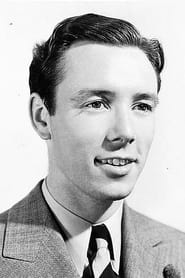
Frank Coghlan Jr.
Actor
Born: March 15, 1916 in New Haven, Connecticut, USA Died: September 7, 2009 Active: 1922-1953 Birth Name: Francis Thomas Coghlan Jr.
Films
2 films
About Frank Coghlan Jr.
Frank Coghlan Jr. Was one of Hollywood's most prolific child actors during the Golden Age, beginning his career in the silent era and successfully transitioning to talkies. Born in New Haven, Connecticut, he made his film debut as a toddler and quickly became a recognizable face in Hollywood, appearing in over 100 films throughout his career. He worked extensively with major studios including Paramount, Universal, and MGM, often playing the younger versions of adult characters or as the son of main protagonists. His most memorable roles included appearances in the 'Our Gang' comedies and numerous Westerns alongside stars like Gene Autry and Roy Rogers. As he matured into his teenage years, he continued finding steady work in supporting roles, though his prominence gradually diminished compared to his child star days. During World War II, he served in the Army Air Corps, temporarily interrupting his acting career. After leaving full-time acting in the 1950s, he pursued other interests including writing and business ventures, leaving behind a as one of cinema's most hardworking child performers.
The Craft
On Screen
Natural and charismatic child performer with remarkable screen presence, known for his ability to convey genuine emotion without the artificiality common in child acting of his era. His performances were characterized by an authentic boyish charm that made him relatable to audiences of all ages.
Milestones
- Appeared in over 100 films during his career
- Successful transition from silent films to talkies
- Regular performer in 'Our Gang' comedies
- Frequent collaborator with major Western stars
- Served in Army Air Corps during WWII
Best Known For
Iconic Roles
Must-See Films
Accolades
Special Recognition
- Honored as one of Hollywood's most prolific child actors
- Recognized by film historians for contributions to Golden Age cinema
Working Relationships
Worked Often With
Studios
Why They Matter
Impact on Culture
Frank Coghlan Jr. Represents the archetype of the reliable, hardworking child actor who helped define Hollywood's Golden Age. His extensive filmography provides a valuable record of American cinema's transition from silent films to sound, and his performances in numerous genres helped establish conventions for child acting that would influence generations of young performers. His work in Westerns particularly contributed to the genre's family-friendly appeal during the 1930s and 1940s.
Lasting Legacy
Coghlan Jr.'s legacy endures through his extensive body of work that serves as a time capsule of classic Hollywood cinema. Film historians and classic movie enthusiasts continue to appreciate his natural acting style and the authenticity he brought to his roles. His career exemplifies the journey of child actors in early Hollywood, from early success to mature transition into other pursuits.
Who They Inspired
His naturalistic approach to child acting influenced subsequent generations of young performers, demonstrating that children could deliver authentic, emotionally resonant performances without being overly theatrical. Many of his techniques in conveying genuine emotion became standard practices for child actors in later decades.
Off Screen
Frank Coghlan Jr. Married twice during his lifetime and had children. He maintained a relatively private personal life away from the Hollywood spotlight. After retiring from acting, he successfully transitioned to business and writing pursuits. He was known for his humility about his child star past and rarely sought publicity in his later years.
Education
Attended local schools in Los Angeles while pursuing his acting career as a child
Family
- Katherine K. Coghlan (1940-1960)
- Nancy Coghlan (1961-2009)
Did You Know?
- Appeared in over 100 films before age 20
- Was one of the few child actors to successfully transition from silent films to talkies
- Worked with virtually every major star of the 1930s
- Served as a gunner in the Army Air Corps during World War II
- Often played the younger version of the male lead in films
- Was a regular in the 'Our Gang' comedy series
- His active years covered three decades of Hollywood history
- Never received formal acting training, learning on the job
- Was known for his professionalism and reliability on set
- Retired from acting in the early 1950s to pursue business interests
In Their Own Words
Being a child actor in those days was like being part of a big family. We all looked out for each other on the set.
I never thought of myself as a star. I was just a kid doing a job that I happened to be good at.
Frequently Asked Questions
Who was Frank Coghlan Jr.?
Prolific American child with credits in this catalog. He was known for his natural acting style and frequent appearances in Westerns and family films.
What films is Frank Coghlan Jr. Best known for?
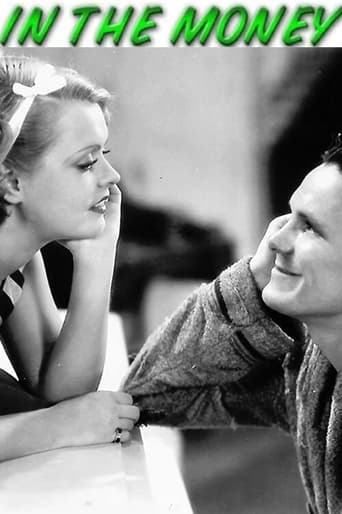
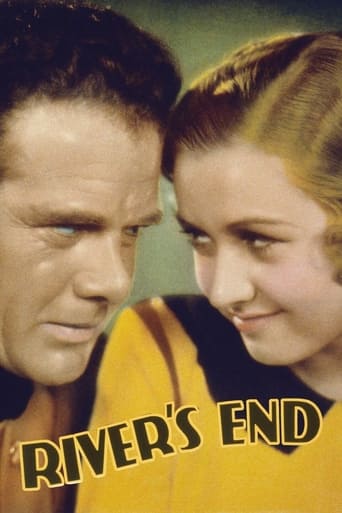
Titles linked here include The Man Who Came Back (1931), In the Money (1933).
When was Frank Coghlan Jr. Born and when did he die?
Born March 15, 1916; died September 7, 2009.
What awards did Frank Coghlan Jr. Win?
While Frank Coghlan Jr. Did not receive major formal awards during his career, he was recognized by film historians for his significant contributions to Golden Age cinema as one of Hollywood's most prolific child actors.
What was Frank Coghlan Jr.'s acting style?
Coghlan Jr. Was known for his naturalistic and charismatic performances, avoiding the artificiality common in child acting of his era. His style emphasized genuine emotion and authentic boyish charm that resonated with audiences.