Ernst Rolf
Actor
Born: January 20, 1891 in Falun, Sweden Died: December 25, 1932 Active: 1910s-1932 Birth Name: Ernst Ragnar Johansson
Films
1 film
About Ernst Rolf
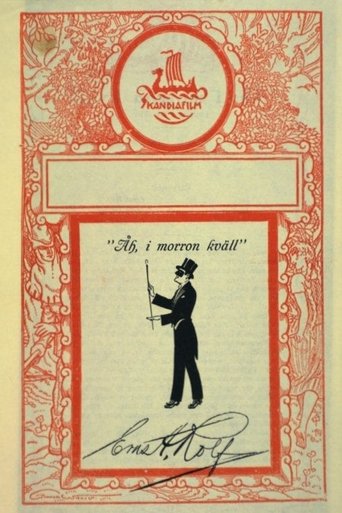
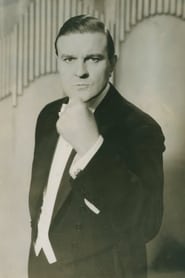
Prominent Swedish entertainer, revue artist, singer, and actor who rose to fame during the early 20th century. Born as Ernst Ragnar Johansson, he adopted the stage name Rolf and became one of Sweden's most beloved performers, particularly known for his sophisticated revues at the Folkan theater in Stockholm. His screen career spanned the 1910s until his untimely death in 1932, during which he revolutionized Swedish entertainment with his modern approach to revue production. While primarily celebrated for his stage work and musical performances, he also ventured into film, appearing in productions including 'Oh, Tomorrow Night.' in 1919. Rolf was known for his impeccable taste, elegant style, and ability to blend humor with sophisticated entertainment, making him a cultural icon of his era. His influence extended beyond performance as he became a successful theater producer and director, shaping Swedish popular entertainment for years to come.
The Craft
On Screen
Known for his charismatic stage presence, sophisticated comedic timing, and elegant delivery. His style blended refined humor with musical performance, creating a unique form of entertainment that appealed to both high society and general audiences.
Milestones
- Revolutionized Swedish revue theater
- Produced and starred in numerous successful revues at Folkan theater
- Recorded popular songs that became Swedish classics
- Appeared in early Swedish cinema including 'Oh, Tomorrow Night.' (1919)
- Married actress Tutta Rolf in a celebrated partnership
Best Known For
Iconic Roles
Must-See Films
Accolades
Special Recognition
- Recognized as one of Sweden's greatest entertainers of the early 20th century
- Cultural icon in Swedish entertainment history
Working Relationships
Worked Often With
Why They Matter
Impact on Culture
Ernst Rolf fundamentally transformed Swedish popular entertainment by elevating the revue format from simple variety shows to sophisticated theatrical productions. His work at Stockholm's Folkan theater set new standards for Swedish entertainment, blending music, comedy, and social commentary in ways that resonated with audiences across social classes. Rolf's recordings of popular songs became classics that remained in the Swedish cultural repertoire for decades, and his approach to entertainment influenced the development of modern Swedish theater and television variety shows.
Lasting Legacy
Ernst Rolf's legacy endures as one of Sweden's most influential entertainers of the early 20th century. He is remembered for revolutionizing Swedish revue theater, setting standards of quality and sophistication that influenced generations of performers. His recordings continue to be appreciated as classics of Swedish popular music, and his name remains synonymous with the golden age of Swedish entertainment. The Folkan theater, where he achieved his greatest successes, became legendary due to his association.
Who They Inspired
Rolf influenced Swedish entertainment by establishing the revue as a legitimate art form, inspiring future generations of entertainers including Povel Ramel and Hasseåtage. His sophisticated approach to combining humor with social commentary paved the way for more nuanced Swedish comedy and entertainment. His success also demonstrated that Swedish performers could achieve both artistic integrity and popular appeal, a balance that many subsequent entertainers sought to emulate.
Off Screen
Ernst Rolf was married to actress Tutta Rolf (born Solveig Kristina Lundén), and their marriage was considered one of Sweden's celebrity power couples of the era. They had one son, Tom Rolf, who later became a successful film editor in Hollywood. Rolf was known for his sophisticated lifestyle and was a prominent figure in Stockholm's cultural scene. His life was marked by both tremendous success and personal challenges, including the pressures of maintaining his status as Sweden's top entertainer.
Education
Limited formal education, largely self-taught in performance arts
Family
- Tutta Rolf (Solveig Kristina Lundén) (1927-1932)
Did You Know?
- Changed his name from Johansson to Rolf early in his career
- His son Tom Rolf won an Academy Award for film editing for 'The Right Stuff' (1983)
- Died on Christmas Day 1932 at age 41
- Was one of Sweden's highest-paid entertainers during his peak years
- His revues at Folkan theater were considered cultural events in Stockholm
- Recorded numerous songs that became Swedish standards
- His marriage to Tutta Rolf was one of Sweden's most celebrated celebrity unions
- Managed to maintain artistic integrity while achieving massive commercial success
- His entertainment style influenced the development of Swedish television variety shows
- Despite his Swedish roots, his entertainment style had European sophistication
In Their Own Words
I believe entertainment should be both beautiful and meaningful
The stage is not just a place for jokes, but a mirror to society
Quality in entertainment is never out of style
Frequently Asked Questions
Who was Ernst Rolf?
Legendary Swedish entertainer, revue artist, singer, and with credits in this catalog. Born Ernst Ragnar Johansson, he revolutionized Swedish revue theater and became one of the country's most beloved cultural figures.
What films is Ernst Rolf best known for?
Titles linked here include Oh, Tomorrow Night. (1919).
When was Ernst Rolf born and when did he die?
Born January 20, 1891; died December 25, 1932.
What awards did Ernst Rolf win?
While formal awards were less common during his era, Ernst Rolf received widespread recognition as Sweden's premier entertainer and was celebrated for revolutionizing Swedish revue theater. His cultural impact and influence on Swedish entertainment are considered his greatest honors.
What was Ernst Rolf's entertainment style?
Ernst Rolf's style was characterized by sophistication, elegance, and a unique blend of humor with musical performance. He elevated revue theater from simple variety shows to sophisticated productions that appealed to both intellectual and popular audiences, setting new standards for Swedish entertainment.