Films
1 film
About Hulda Malmström
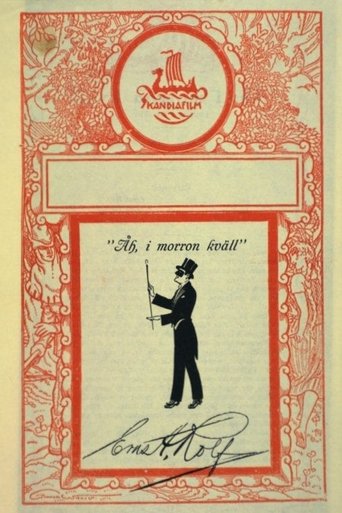
This archive lists one role for Hulda Malmström: Oh, Tomorrow Night (1919). . Her known filmography consists of a single appearance in the 1919 production 'Oh, Tomorrow Night.' suggesting she may have been a bit player or extra rather than a leading actress. Like many performers from this early period of cinema, particularly in European film industries, detailed records of her life and career are scarce. The fact that she has only one credited film appearance indicates she may have had a very brief acting career, possibly limited to a single production or a short period of work in the burgeoning Swedish film industry. Her career coincided with the golden age of Swedish silent cinema,. Unfortunately, like many minor figures from this era, much of her personal story and professional details have been lost to time, leaving only this single film credit as evidence of her contribution to early cinema.
The Craft
Milestones
- Appeared in the silent film 'Oh, Tomorrow Night.' (1919)
Best Known For
Must-See Films
Why They Matter
Impact on Culture
Hulda Malmström represents the countless anonymous performers who contributed to the development of early cinema during its formative years. While her individual impact may be minimal due to her brief career, she is part of the larger tapestry of silent era actors who helped establish the foundations of film acting. Her single known appearance in a 1919 production places her within the context of Swedish cinema's golden age, a period when the country was producing internationally acclaimed films. Though her name is largely forgotten, her work, however minor it may have been, contributed to the evolution of cinematic storytelling and the establishment of film as a legitimate art form.
Lasting Legacy
Hulda Malmström's legacy is primarily that of a representative figure from the vast ranks of early cinema performers whose contributions were fleeting but nonetheless part of film history's foundation. She exemplifies the transient nature of early film careers, particularly for women in the industry who often worked briefly before leaving the profession. Her single film credit serves as a reminder of the thousands of actors whose names appear only once or twice in film archives, representing the collective effort that built the film industry. While she did not achieve lasting fame, her inclusion in film databases and historical records ensures that even the smallest contributors to cinema's development are not entirely forgotten.
Who They Inspired
Given her extremely brief film career with only one known appearance, Hulda Malmström's direct influence on other performers or filmmakers is unlikely to be documented. However, like all early film actors, she contributed to the development of acting techniques for the new medium of cinema at a time when the art form was still establishing its conventions. Her work, however minor, was part of the collective experience that helped shape early Swedish cinema during its internationally acclaimed period.
Off Screen
Very little is known about Hulda Malmström's personal life, which is typical for minor actors from the silent era who did not achieve lasting fame. Like many performers of her time, her story represents the thousands of anonymous contributors to early cinema history whose details have been largely lost.
Did You Know?
- Hulda Malmström's entire known film career consists of a single film appearance in 1919
- She was active during the golden age of Swedish silent cinema
- Her film 'Oh, Tomorrow Night.' was released just as World War I was ending
- Like many minor actors from the silent era, virtually no biographical information about her survives
- Her active years covered only one year, making her
- The scarcity of information about her is typical of bit players and extras from early European cinema
- Her name appears only in specialized film databases dedicated to silent era actors
Frequently Asked Questions
Who was Hulda Malmström?
Screen credits include only one known film, 'Oh, Tomorrow Night.' in 1919. She represents the many minor performers from early cinema whose careers were brief and largely undocumented.
What films is Hulda Malmström best known for?
Titles linked here include Oh, Tomorrow Night. (1919).
When was Hulda Malmström born and when did she die?
Unfortunately, no birth or death dates are available for Hulda Malmström, which is common for minor actors from the silent era whose biographical details were not preserved in historical records.
What awards did Hulda Malmström win?
There are no known awards or nominations for Hulda Malmström, which is typical for bit players and minor actors from the early film industry who rarely received formal recognition for their work.
What was Hulda Malmström's acting style?
No specific information exists about Hulda Malmström's acting style or techniques, as her career was too brief and minor to generate critical analysis or documentation of her performance methods.
Why is so little known about Hulda Malmström?
The scarcity of information about Hulda Malmström is typical of minor actors from the silent era, particularly those who worked in European cinema. Many records from this period were lost, and performers with brief careers often left little documentary trace of their lives and work.
Was Hulda Malmström part of any major film studio?
There is no information available about any studio affiliations for Hulda Malmström. Many actors during this early period worked on a freelance basis or for smaller production companies that have since disappeared.