Films
1 film
About Rolf Raffé
German film director who emerged during the golden age of German silent cinema in the early 1920s. His career, though brief, coincided with the revolutionary period of German Expressionism when directors like F.W. Murnau, Fritz Lang, and G.W. Pabst were transforming the art of cinema. Raffé's sole known directorial work, 'Das Schweigen am Starnbergersee' (1920), places him firmly within this transformative era of German filmmaking. The film, whose title translates to 'The Silence at Lake Starnberg,' reflects the psychological and atmospheric storytelling that characterized German cinema of the Weimar Republic period. Like many directors of his generation, Raffé was influenced by the artistic movements sweeping through Germany after World War I, including Expressionism and the New Objectivity movement. His work, though limited in quantity, represents the experimental spirit of early German cinema and its exploration of human psychology through visual storytelling. Unfortunately, like many films from this period, much of Raffé's work and personal history has been lost to time, making him a somewhat enigmatic figure in film history.
The Craft
Behind the Camera
Reflective of German Expressionist cinema with emphasis on psychological drama and atmospheric storytelling, typical of the Weimar Republic period's artistic sensibilities
Milestones
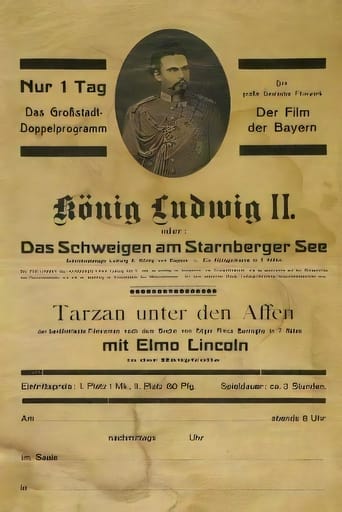
- Directed 'Das Schweigen am Starnbergersee' (1920)
- Active during German Expressionist cinema period
- Part of Weimar Republic film movement
Best Known For
Must-See Films
Why They Matter
Impact on Culture
Rolf Raffé represents the countless lesser-known directors who contributed to the German silent cinema during its most creative period. While his name may not be as recognized as contemporaries like Murnau or Lang, his work during the Expressionist era helps illustrate the depth and breadth of Germany's film industry in the 1920s. The existence of directors like Raffé demonstrates how the German film industry was not just supported by a few famous names but by a whole ecosystem of creative talent pushing the boundaries of cinematic art.
Lasting Legacy
Rolf Raffé's legacy is primarily that of a representative figure from the golden age of German silent cinema, illustrating the breadth of talent working during the Expressionist period. His film 'Das Schweigen am Starnbergersee' serves as a reminder of the many works from this era that have been lost or remain obscure to modern audiences. While his direct influence on subsequent cinema may be difficult to trace due to the limited survival of his work, he stands as part of the generation of German filmmakers who helped establish cinema as a serious art form and influenced filmmakers worldwide during the 1920s and beyond.
Who They Inspired
Due to the limited documentation and survival of Raffé's work, his direct influence on other filmmakers is difficult to ascertain. However, as part of the German Expressionist movement, his work would have contributed to the overall artistic climate that influenced directors internationally. The psychological and visual techniques developed by German directors of his generation, including those lesser-known like Raffé, would eventually influence film noir, horror cinema, and various avant-garde movements throughout the 20th century.
Off Screen
Very little is documented about Rolf Raffé's personal life, which is not uncommon for many figures from early German cinema whose records were lost during the political upheavals of the 20th century. His brief film career suggests he may have been part of the vibrant artistic community in Berlin during the Weimar Republic, though specific details about his relationships, family, or personal circumstances remain unknown to film historians.
Did You Know?
- Active during the same period as the German Expressionist movement's peak
- His only known film was released in 1920, a pivotal year for German cinema
- The title of his film references Lake Starnberg, a famous Bavarian lake known for its natural beauty and cultural significance
- Like many German films from the early 1920s, his work may have been lost during the political upheavals of the Nazi era and World War II
- Represents the vast number of lesser-known directors who contributed to Germany's cinematic golden age
- His brief career span coincided with the establishment of the Universum Film AG (UFA) as Germany's premier film studio
- The early 1920s in Germany saw unprecedented artistic freedom in cinema before censorship increased in the mid-1920s
Frequently Asked Questions
Who was Rolf Raffé?
He was part of the vibrant German cinema scene during the Weimar Republic period, working alongside the Expressionist movement that revolutionized filmmaking in the early 1920s.
What films is Rolf Raffé best known for?
Titles linked here include Das Schweigen am Starnbergersee (1920).
When was Rolf Raffé born and when did he die?
Unfortunately, specific birth and death dates for Rolf Raffé are not documented in available film historical records. This is not uncommon for many figures from early German cinema whose personal information was lost during the political upheavals of the 20th century.
What awards did Rolf Raffé win?
There are no documented awards or honors for Rolf Raffé in available film historical records. During the early 1920s, the formal award systems for cinema were still developing, and many directors from this period, particularly those with brief careers, received no formal recognition during their lifetimes.
What was Rolf Raffé's directing style?
Based on the period in which he worked, Raffé's directing style likely reflected the influences of German Expressionism, emphasizing psychological drama, atmospheric visuals, and emotional intensity. His film title suggests a focus on mood and character psychology, typical of German cinema's artistic ambitions during the Weimar Republic era.