Films
1 film
About Martin Wilhelm
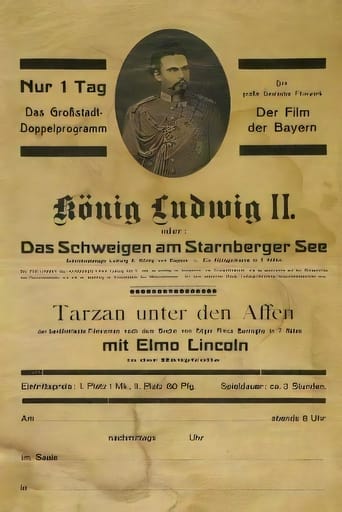
This archive lists one role for Martin Wilhelm: Das Schweigen am Starnbergersee (1920). His career was remarkably brief, spanning only the year 1920, during which he appeared in the silent drama 'Das Schweigen am Starnbergersee.' This period was particularly significant for German film, as the nation was experiencing a cultural renaissance in cinema following World War I. Wilhelm's single known film credit places him among the many character actors who populated the burgeoning German film industry of the Weimar Republic era. Unfortunately, like many actors from this period who had brief careers or primarily worked in supporting roles, detailed records of his life and career have been lost to time. His contribution to German cinema, while limited to a single known appearance, represents the vast network of talented performers who helped establish the foundation of European film artistry during the silent era.
The Craft
Milestones
- Appeared in 'Das Schweigen am Starnbergersee' (1920) during the golden age of German silent film
Best Known For
Must-See Films
Why They Matter
Impact on Culture
Martin Wilhelm represents the countless anonymous actors who formed the backbone of early European cinema. While his individual impact may be difficult to trace due to the scarcity of surviving records, his participation in German film during 1920 places him within a crucial period of cinematic innovation. The year 1920 was particularly significant for German cinema, as it was during this time that German Expressionism was beginning to flourish and establish itself as a major artistic movement. Even in a supporting capacity, actors like Wilhelm contributed to the performances that characterized this revolutionary period in film history.
Lasting Legacy
Martin Wilhelm's legacy is primarily archival, serving as a reminder of the many talented individuals whose contributions to early cinema have been largely forgotten. His single known film appearance in 'Das Schweigen am Starnbergersee' represents the type of character work that was essential to the storytelling of silent films. While he did not achieve the lasting fame of contemporaries like Conrad Veidt or Emil Jannings, his career exemplifies the typical journey of many actors during the silent era who worked briefly but meaningfully in the industry. His story underscores the importance of film preservation and historical research in recognizing all contributors to cinema's development.
Who They Inspired
Due to the extremely limited documentation of Martin Wilhelm's career and life, his direct influence on other actors or filmmakers cannot be determined. However, as part of the German film industry during its formative years, he would have been exposed to and potentially influenced by the revolutionary acting techniques and cinematic innovations being developed during the Weimar Republic period. The collective work of actors like Wilhelm helped establish the foundation for German cinema's international reputation for artistic excellence and technical innovation.
Off Screen
Very little is known about Martin Wilhelm's personal life, which is typical for many supporting actors from the silent era who did not achieve star status. Like many character actors of his time, his life story has been largely lost to history, with only his single film credit surviving as evidence of his contribution to cinema.
Did You Know?
- Martin Wilhelm's entire known film career consists of a single film appearance in 1920
- His only known film 'Das Schweigen am Starnbergersee' translates to 'The Silence at Lake Starnberg'
- Lake Starnberg is a real location in Bavaria, Germany, known for its natural beauty and historical significance
- 1920 was a pivotal year for German cinema, marking the height of the post-WWI film boom
- Like many silent era actors with brief careers, most biographical details about Wilhelm have been lost to history
- The film he appeared in was produced during the Weimar Republic, a period of extraordinary creativity in German arts
- Silent era actors often had to convey complex emotions without dialogue, relying heavily on facial expressions and body language
Frequently Asked Questions
Who was Martin Wilhelm?
Screen credits include only one known film, 'Das Schweigen am Starnbergersee' in 1920. He represents the many character actors who worked briefly in early German cinema during its golden age.
What films is Martin Wilhelm best known for?
Titles linked here include Das Schweigen am Starnbergersee (1920).
When was Martin Wilhelm born and when did he die?
Unfortunately, Martin Wilhelm's birth and death dates are unknown, which is common for many supporting actors from the silent era whose biographical information was not preserved in historical records.
What awards did Martin Wilhelm win?
There are no recorded awards or nominations for Martin Wilhelm, which is typical for character actors of the silent era who often worked without formal recognition of their contributions.
What was Martin Wilhelm's acting style?
Specific details about Martin Wilhelm's acting style are not documented in surviving records. However, as a German silent film actor, he would have worked within the expressive acting traditions of early 20th century German cinema.