
Films
1 film
About Karl-Magnus Thulstrup
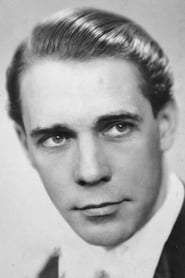
Swedish actor who had an extremely brief career during the late silent film era, appearing exclusively in 1928. His only known film credit was in the historical epic 'Gustaf Wasa, Part One,' a significant Swedish production that dramatized the life of King Gustav Vasa, who liberated Sweden from Danish rule in the 16th century. Given the limited scope of his filmography, Thulstrup was likely either a character actor who specialized in period pieces or someone who pursued acting only briefly before moving to other endeavors. His participation in this major Swedish historical film suggests he may have had theatrical training or connections within the Swedish performing arts community of the 1920s. The fact that he appeared in only one film during the transition period from silent films to sound cinema indicates his career may have been cut short by the technological changes sweeping through the industry or by personal choice. Unfortunately, detailed records about his life, training, or reasons for leaving the film industry after just one production have not been preserved in film historical archives.
The Craft
Milestones
- Appeared in the Swedish historical epic 'Gustaf Wasa, Part One' (1928)
Best Known For
Iconic Roles
Must-See Films
Working Relationships
Studios
Why They Matter
Impact on Culture
Karl-Magnus Thulstrup's cultural impact is minimal due to his extremely brief film career, consisting of only one known appearance in a Swedish silent film. However, his participation in 'Gustaf Wasa, Part One' places him within the context of Sweden's important historical film tradition of the 1920s, a period when Swedish cinema was gaining international recognition. The film itself was part of a broader movement in European cinema to create national historical epics that celebrated important figures from each country's past, and Thulstrup contributed to this cultural moment, however briefly.
Lasting Legacy
Karl-Magnus Thulstrup's legacy in film history is that of a representative example of the many actors who appeared briefly during the silent era and then vanished from the cinematic record. His single film credit serves as a reminder of the vast number of performers who contributed to early cinema but whose careers were cut short by the industry's rapid technological changes or personal circumstances. While he may not have achieved lasting fame, his participation in 'Gustaf Wasa, Part One' makes him part of Sweden's cinematic heritage and the broader story of European silent film production.
Who They Inspired
Due to his extremely limited filmography, there is no documented evidence of Karl-Magnus Thulstrup influencing other actors or filmmakers. His brief appearance in a single Swedish historical film suggests he was more likely a product of his time rather than an innovator who shaped the art form. Like many supporting actors from the silent era, his contribution was primarily as a craftsman who helped bring a specific production to life rather than as an artist who left a lasting mark on subsequent generations of performers.
Off Screen
Very little is documented about Karl-Magnus Thulstrup's personal life, which is not uncommon for supporting actors from the silent era who had brief careers. Given his Swedish nationality and appearance in a Swedish historical film, he was likely part of the Scandinavian theater and film community of the 1920s. The lack of additional film credits suggests he may have returned to theatrical work, pursued another profession entirely, or his career may have been affected by the transition to sound films that required different acting techniques and often led to many silent era actors being left behind.
Did You Know?
- Appeared in only one known film throughout his entire career
- His sole film credit was in a Swedish historical epic about King Gustav Vasa
- All film credits listed here fall in a single year
- The film he appeared in was a major Swedish production, suggesting he may have had some prominence in Swedish theater
- Like many silent era actors with brief careers, much of his personal information has been lost to film history
- His name 'Karl-Magnus' is a traditional Swedish compound name, combining two common Swedish given names
Frequently Asked Questions
Who was Karl-Magnus Thulstrup?
Swedish with credits in this catalog.' His career lasted just one year, making him representative of many actors from the silent era who had short-lived film careers.
What films is Karl-Magnus Thulstrup best known for?
Titles linked here include Gustaf Wasa, Part One (1928).
When was Karl-Magnus Thulstrup born and when did he die?
Unfortunately, the birth and death dates of Karl-Magnus Thulstrup are not documented in available film historical records, which is not uncommon for supporting actors from the silent era who had very brief careers. We know he was active as an actor in 1928 and was of Swedish nationality.
What awards did Karl-Magnus Thulstrup win?
There are no documented awards or nominations for Karl-Magnus Thulstrup, which is typical for actors who had very brief careers in the silent era and appeared in only one or two films. His contribution to cinema was limited to his single performance in 'Gustaf Wasa, Part One' (1928).
What was Karl-Magnus Thulstrup's acting style?
Due to the limited documentation of his career and the fact that his only known film is a silent production, there are no detailed descriptions of Karl-Magnus Thulstrup's acting style available. Like actors in silent historical dramas, he likely employed the exaggerated gestures and facial expressions typical of the era.
Why did Karl-Magnus Thulstrup have such a short career?
The exact reasons for Karl-Magnus Thulstrup's brief one-year career are unknown, but this was common during the transition from silent to sound films in the late 1920s. Many actors found their careers ending due to the new technical requirements of sound cinema, personal choice, or lack of opportunities in the changing industry landscape.