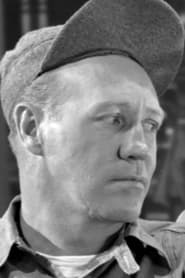
Lee Phelps
Actor
Born: May 15, 1893 in Philadelphia, Pennsylvania, USA Died: March 19, 1953 Active: 1917-1953 Birth Name: Napoleon Bonaparte Kukuck
Films
1 film
About Lee Phelps
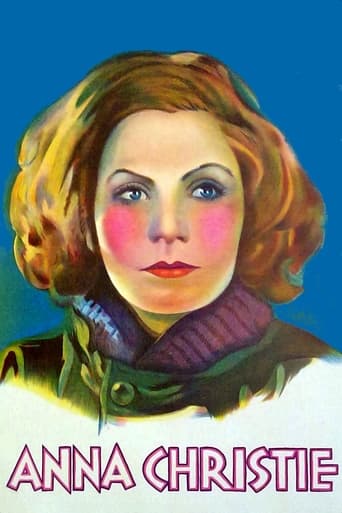
Remarkably prolific American character actor: the transition from silent film to the Golden Age of Hollywood. Born Napoleon Bonaparte Kukuck in Philadelphia, he began his entertainment journey in vaudeville as a comedian and singer before entering the film industry in 1917 with the Triangle Film Corporation. Over the next three and a half decades, Phelps appeared in more than 600 films, often working as a dependable 'utility' actor who could seamlessly inhabit roles as police officers, detectives, and bartenders. He is perhaps best remembered by classic film enthusiasts for his role as Larry the Bartender in Greta Garbo's first sound film, 'Anna Christie' (1930), where he shared the screen during her first spoken lines. Despite the majority of his hundreds of appearances being uncredited, he was a ubiquitous presence in major productions, including three Best Picture winners: 'Grand Hotel', 'You Can't Take It with You', and 'Gone with the Wind'. His work ethic was, frequently appearing in dozens of films per year across various genres from gritty noir to lighthearted comedies. Phelps continued to work steadily until his death in 1953, leaving behind extensive filmographies in Hollywood history.
The Craft
On Screen
Phelps was known for a naturalistic and understated supporting style, often providing a grounded 'everyman' presence to ground more dramatic leads. Standing 6 feet tall, he possessed a commanding physical presence that made him a natural choice for authority figures such as lawmen and military officers. His background in vaudeville gave him excellent timing, which he utilized in quick-fire dialogue scenes in early talkies.
Milestones
- Appeared in over 600 films throughout a 36-year career.
- Played Larry the Bartender in Greta Garbo's first talkie, 'Anna Christie' (1930).
- Appeared in three Academy Award-winning Best Pictures: 'Grand Hotel' (1932), 'You Can't Take It with You' (1938), and 'Gone with the Wind' (1939).
- Successfully transitioned from silent films to sound, maintaining a high volume of work.
- Became a staple of the 'B-Western' and crime genres as a reliable supporting player.
Best Known For
Iconic Roles
Must-See Films
Accolades
Special Recognition
- Recognized as.
Working Relationships
Worked Often With
Studios
Why They Matter
Impact on Culture
Lee Phelps represents the 'backbone' of the Hollywood studio system—the reliable character actor who provided continuity and realism to the cinematic world. While stars like Garbo or Gable drew audiences, actors like Phelps populated the world they lived in, making the fictional environments of the Golden Age feel inhabited and authentic. His presence in over 600 films means that he was seen by nearly every regular moviegoer of the 1930s and 40s, contributing to the collective visual language of the era's cinema.
Lasting Legacy
Phelps' legacy is found in the staggering volume of his work and his status as. He is a primary example of the 'working actor' who treated the craft as a steady profession rather than a pursuit of fame. Film historians often cite him when discussing the depth of talent available to studios during the Golden Age, where even a minor bartender role was filled by a seasoned professional with decades of experience.
Who They Inspired
He influenced the archetype of the 'hard-boiled' but fair city official or service worker that became a staple of American noir and police procedurals.
Off Screen
Phelps was married to silent film actress Mary Warren (born Marie Weirman) from 1916 until his death in 1953. The couple moved from the East Coast to California in 1917 to pursue film careers together. They had two daughters, Marilee and Patricia, the former of whom followed her parents into the acting profession during the 1950s.
Education
Trained in the vaudeville circuit as a musician, singer, and comedian.
Family
- Mary Warren (1916-1953)
Did You Know?
- His birth name was Napoleon Bonaparte Kukuck, but he took his mother's maiden name, Phelps, for his stage career.
- He is the bartender who serves Greta Garbo her first drink in her first sound film, witnessing the historic line: 'Gimme a whiskey, ginger ale on the side, and don't be stingy, baby!'
- Phelps appeared in more than 600 films, though he is only Lee Phelps appeared in a fraction of them.
- He was a skilled musician and singer, talents he honed during his early years in vaudeville and Shubert musicals.
- He appeared in the very first Laurel and Hardy film, 'Putting Pants on Philip' (1927).
- In 1939 alone, he appeared in over 20 films, including 'Gone with the Wind'.
In Their Own Words
Context: As Larry the Bartender in 'Anna Christie' (1930), responding to Anna's arrival: 'What'll it be, sister?'
Frequently Asked Questions
Who was Lee Phelps?
Highly prolific American character with credits in this catalog. He was a staple of the Golden Age of Hollywood, often playing uncredited roles as police officers, detectives, and bartenders.
What films is Lee Phelps best known for?
Titles linked here include Anna Christie (1930), Gone with the Wind (1939).
When was Lee Phelps born and when did he die?
Born May 15, 1893; died March 19, 1953.
What was Lee Phelps' real name?
His birth name was Napoleon Bonaparte Kukuck. He adopted the stage name 'Lee Phelps' early in his vaudeville career, using his mother's maiden name.
What was Lee Phelps' acting style?
Phelps — versatile utility actor who specialized in authoritative and 'everyman' roles. His style was grounded and professional, allowing him to blend seamlessly into the background of major studio productions while providing necessary plot exposition.
Did Lee Phelps win any awards?
While he did not win individual acting awards, he appeared in three films that won the Academy Award for Best Picture: 'Grand Hotel', 'You Can't Take It with You', and 'Gone with the Wind'.