
Films
6 films
About Joë Hamman
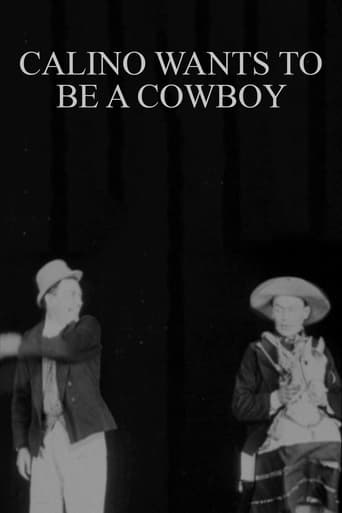
Joë Hamman is credited on a single production — Calino Wants to Be a Cowboy (1911). His brief but notable film career coincided with the birth of narrative cinema, working during a time when the medium was still establishing its artistic language. Hamman is primarily known for his role in the 1911 comedy 'Calino Wants to Be a Cowboy,' which was part of the popular Calino comedy series produced by Gaumont. The Calino character, portrayed by various actors throughout the series, was one of early French cinema's recurring comic personas. Hamman's contribution to this series places him among the early performers who helped establish comedy as a fundamental genre in cinema. His work represents the transitional period when filmmakers were moving from simple actualities to more complex storytelling. Though his filmography appears limited to this single year of activity, his participation in early French comedy films makes him part of cinema's foundational history.
The Craft
On Screen
Physical comedy typical of early French silent cinema, employing exaggerated gestures and expressions to convey humor without dialogue
Milestones
- Appeared in 'Calino Wants to Be a Cowboy' (1911)
- Participated in early French comedy cinema
- Contributed to the popular Calino film series
Best Known For
Iconic Roles
Must-See Films
Working Relationships
Worked Often With
Studios
Why They Matter
Impact on Culture
Joë Hamman represents the generation of performers who helped establish cinema as an entertainment medium during its infancy. His work in the Calino series contributed to the development of comedy as a foundational film genre, influencing countless future comic performers. The physical comedy style he employed was part of establishing the visual language of silent film that would dominate cinema for nearly two decades. Though his individual contribution was small, he was part of the collective effort that transformed cinema from a technological novelty into an art form capable of narrative and emotional expression.
Lasting Legacy
While Joë Hamman is not widely remembered today, his work is historically significant as part of early French cinema's development. The Calino films he participated in are studied by film historians as examples of early comedy filmmaking and the establishment of recurring characters in cinema. His legacy exists within the broader context of performers who helped shape cinematic language during its formative years.
Who They Inspired
As an early comedy performer, Hamman contributed to the physical comedy tradition that would influence generations of silent film comedians, though his direct influence on specific individuals is difficult to trace due to limited documentation of his work and career.
Off Screen
Very little is documented about Joë Hamman's personal life, which was common for many early cinema performers whose careers were brief and occurred before comprehensive film industry record-keeping was established.
Did You Know?
- The Calino character was one of early French cinema's first recurring comedy characters
- 1911 was during the peak of French cinema's dominance in world film production
- Gaumont was one of the world's first and most important film studios
- The Calino series featured various actors playing the title character
- Early French comedies like Calino influenced comedy styles worldwide
- Silent film actors had to rely entirely on physical expression and pantomime
- 1911 was still within the first two decades of cinema history
- Many early film actors like Hamman came from theatrical backgrounds
- The cowboy theme in 'Calino Wants to Be a Cowboy' reflects early cinema's fascination with American Western tropes
- Film preservation from this era is extremely limited, making surviving works particularly valuable
Frequently Asked Questions
Who was Joë Hamman?
French silent film with credits in this catalog.' He was part of the early generation of cinema performers who helped establish film as an entertainment medium during its formative years.
What films is Joë Hamman best known for?
Titles linked here include Calino Wants to Be a Cowboy (1911).
When was Joë Hamman born and when did he die?
Specific birth and death dates for Joë Hamman are not documented in available historical records, which was common for many early cinema performers whose careers were brief and occurred before comprehensive industry record-keeping.
What awards did Joë Hamman win?
Joë Hamman did not receive any documented awards, as he worked during the very early years of cinema before formal award systems like the Academy Awards were established.
What was Joë Hamman's acting style?
Hamman employed the physical comedy style typical of early French silent cinema, using exaggerated gestures, facial expressions, and body language to convey humor and character without the benefit of dialogue.