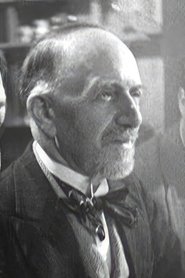
Gustave Hamilton
Actor
- Active
- 1910-1912
Films 2
About Gustave Hamilton
Gustave Hamilton appears to have been a very early screen actor active in the silent-cinema period, with surviving filmography references placing him in at least two productions between 1910 and 1912, including Pendaison à Jefferson City (1910) and The Railway of Death (1912). Beyond those credits, publicly accessible historical records about his life are extremely sparse, which is not unusual for performers working in the formative years of motion pictures, when many supporting players were unbilled and documentation was incomplete. No reliable modern biographical source readily identifies his birth date, birthplace, or later life, so his career is best understood through the fragmentary film evidence that survives. His known screen work suggests he was part of the international, transitional era of early cinema when companies were producing short dramatic films and actors often moved between stage and screen without extensive publicity. Because the available record is limited, it is not possible to reconstruct a full career arc, but his presence in films from the 1910s confirms that he was among the early generation of film performers contributing to the development of narrative cinema. His name persists in film databases and historical listings as a credit associated with the silent era, even though he does not appear to have become a widely documented star. In that sense, Gustave Hamilton represents the many early film workers whose careers are preserved mainly through filmographies rather than surviving personal archives.
More about Gustave Hamilton
In film history
Gustave Hamilton's cultural impact lies less in celebrity status than in what his surviving credits reveal about the early silent-film workforce. Performers like Hamilton helped establish the conventions of screen acting at a time when the medium was still experimenting with storytelling, editing, and visual performance. Even when individual biographies are lost, these names remain valuable to historians because they document the breadth of talent that participated in cinema's first decades. His recorded involvement in films from 1910 and 1912 places him squarely within the pioneering years of the international silent era, when the language of film was still being invented.
Later reputation
Hamilton's legacy is primarily archival and historical: he survives as a credited participant in early cinema rather than as a widely documented star. For researchers and database archivists, his name is part of the essential record of silent-era production, helping map the personnel who worked in the medium's earliest phase. Although no major stardom, awards, or surviving personal history is presently attached to him, his film credits still contribute to the broader understanding of early motion-picture casting and the international spread of silent drama. In this way, his legacy is the preservation of a trace within film history, even if the fuller details of his life have been lost.
Influence
There is no surviving evidence that Gustave Hamilton exerted direct, traceable influence on later actors or directors. His importance is indirect: as one of the many early performers whose work helped normalize screen acting, he contributed to the collective development of silent-cinema performance. That broader body of early actors influenced the vocabulary of physical expression and dramatic presentation that later generations inherited. Any specific line of mentorship or artistic influence cannot be reliably documented at present.
Off screen
No reliable biographical information is readily available in surviving public film-history references concerning Gustave Hamilton's personal life, including marriages, family background, residence, or later occupations. He appears to have been one of the many early screen actors whose personal documentation was not preserved in the same way as that of major stars. As a result, any claims about his private life would be speculative and should not be treated as established fact.
Credits
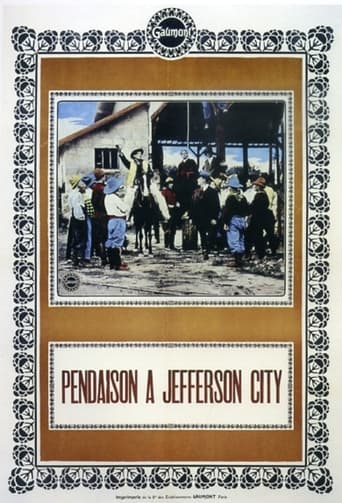
- Appeared in Pendaison à Jefferson City (1910), one of his documented early screen credits
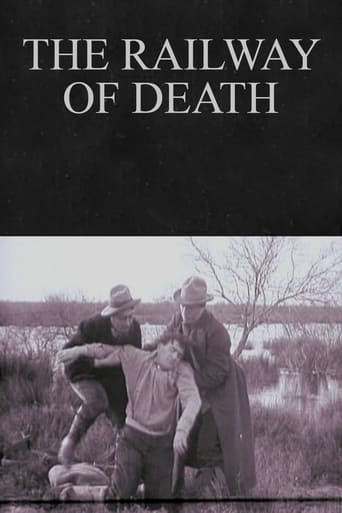
- Appeared in The Railway of Death (1912), confirming continued activity during the silent era
- Worked during the formative years of narrative film production, when acting styles and screen conventions were still developing
- Represents one of the many early performers preserved primarily through filmographic records rather than extensive press coverage
Films
- Pendaison à Jefferson City (1910)
- The Railway of Death (1912)
Notes
- He is associated with two early silent-era titles spanning 1910 to 1912.
- His surviving record is a good example of how many early film performers are known mostly through filmography entries.
- No readily verified birth or death information is currently attached to his name in standard public references.
- His name appears in the context of very early cinema, before the Hollywood studio system fully matured.
- Because early film credits were often incomplete or inconsistent, some details about his career may still be hidden in archival materials.
Questions
Who was Gustave Hamilton?
Gustave Hamilton was an early silent-era actor known from surviving film credits dating to 1910 and 1912. He appears to have worked during cinema's formative years, but detailed personal biographical information about him is not readily available.
What films is Gustave Hamilton best known for?
The main surviving credits associated with him are Pendaison à Jefferson City (1910) and The Railway of Death (1912). These titles are the primary basis for identifying his screen career.
When was Gustave Hamilton born and when did he die?
At present, no reliably verified birth or death dates are readily available for Gustave Hamilton in standard public film references. His documented activity is confined to the silent-era years around 1910 to 1912.
What awards did Gustave Hamilton win?
No awards or formal honors are currently documented for Gustave Hamilton in the available historical record. This is common for many early screen performers whose careers predated the modern awards system.
What was Gustave Hamilton's acting style?
No detailed description of his acting style survives in the available record. Given his era, he would likely have worked within the expressive, physically articulated performance style typical of silent cinema.
What is Gustave Hamilton's legacy in film history?
His legacy is mainly archival: he is part of the early generation of screen performers who helped build silent cinema, even if their personal histories are now obscure. His credits remain useful to historians studying the personnel of early film production.