
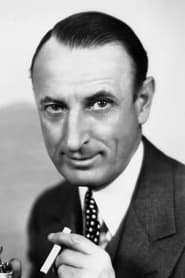
Wilbur Mack
Actor
Born: July 29, 1873 in Binghamton, New York, USA Died: March 13, 1964 Active: 1899-1962 Birth Name: George Frear Runyon
Films
2 films
About Wilbur Mack
Wilbur Mack, born George Frear Runyon, was a prolific American character actor and vaudeville headliner whose over six decades of entertainment history. He began his professional journey at the age of sixteen in repertory theater before rising to prominence on the vaudeville circuit, most notably in the husband-and-wife comedy duo 'Mack and Walker' with his second wife, Nella Walker. After their personal and professional split, he continued his stage success with Gertrude Purdy in the act 'Mack and Purdy,' eventually transitioning to the silver screen in 1925 with the film 'Gold and Grit.' While he was a headliner on stage, Mack became one of Hollywood's most reliable 'utility' actors, appearing in hundreds of films, often in uncredited roles as authoritative figures, professionals, or sophisticated bystanders. His ability to adapt from the broad physical comedy of silent films to the dialogue-heavy requirements of the 'talkies' allowed him to maintain a steady work schedule through the Golden Age of Hollywood. Even into his eighties, Mack remained active, transitioning into television and appearing in minor roles until his final performance in 1962. He passed away in Hollywood in 1964, leaving behind a massive filmography that shows the enduring work ethic of the industry's character performers.
The Craft
On Screen
Known for his versatility as a character actor, Mack often portrayed dignified or authoritative figures such as doctors, police chiefs, and lawyers. His background in vaudeville gave him a sharp sense of timing and a clear speaking voice that made him highly sought after during the early sound era.
Milestones
- Established the successful vaudeville comedy act 'Mack and Walker' with Nella Walker
- Transitioned to film in 1925 with 'Gold and Grit'
- Co-wrote and starred in the 1928 Vitaphone short 'An Everyday Occurrence'
- Successfully navigated the transition from silent films to talkies in 1929-1930
- Appeared in over 13 films in the year 1930 alone, including 'Remote Control'
- Maintained a career that lasted from the late 19th-century stage to 1960s television
Best Known For
Iconic Roles
Must-See Films
Accolades
Special Recognition
- Recognized as a vaudeville headliner during the early 20th century
- Subject of historical retrospectives on character actors of the Golden Age
Working Relationships
Worked Often With
Studios
Why They Matter
Impact on Culture
Wilbur Mack represents the bridge between the 19th-century theatrical tradition and the modern cinematic era. As a vaudeville headliner who transitioned into a 'utility' actor, he exemplifies the professional resilience required to survive the industrial shifts of Hollywood, from the birth of silents to the rise of television. His presence in hundreds of films provided the necessary 'texture' of realism that defined the studio system's output.
Lasting Legacy
While rarely a household name, Mack's legacy lies in his staggering volume of work and his contribution to the 'Golden Age' aesthetic. He is remembered by film historians as a quintessential character actor—the 'unsung workhorse' whose reliable performances supported the greatest stars of the era. His career serves as a primary case study for the transition of stage performers into the early sound medium.
Who They Inspired
He influenced the development of the 'husband-and-wife' comedy sketch format in vaudeville, which later became a staple of early television sitcoms. His seamless transition to sound film served as a model for other stage actors looking to find longevity in Hollywood.
Off Screen
Wilbur Mack was married twice. His first notable marriage was to actress Nella Walker, with whom he shared a successful stage partnership; they eventually divorced, and she became a prominent character actress in her own right. He later married Gertrude Purdy, who also became his professional partner in their vaudeville routines and early film shorts.
Education
Apprenticed in repertory theater starting at age 16; largely self-taught through the vaudeville circuit.
Family
- Nella Walker (married 1910, divorced)
- Gertrude Purdy (married until his death)
Did You Know?
- His birth name was George Frear Runyon.
- He appeared in 13 films in 1930 and 24 films between 1931 and 1933.
- Despite his long career, the vast majority of his film roles (over 100) were uncredited.
- He was a talented writer who authored dialogue and music for his own vaudeville skits.
- His final film appearance was in the 1962 Dean Martin comedy 'Who's Got the Action?' at the age of 88.
- He is interred at the Forest Lawn Memorial Park in Hollywood Hills.
In Their Own Words
I joined a repertory theatre when I was sixteen, and I haven't stopped since. (Context: Reflecting on his long career in an interview)
Frequently Asked Questions
Who was Wilbur Mack?
Screen credits include hundreds of films from the silent era through the 1960s. He was best known for his early stage success in comedy duos and his later work as a reliable supporting player in Hollywood.
What films is Wilbur Mack best known for?
Titles linked here include Remote Control (1930), Gold and Grit (1925).
When was Wilbur Mack born and when did he die?
Born July 29, 1873; died March 13, 1964.
What was Wilbur Mack's acting style?
Mack utilized a polished, professional style honed in vaudeville, often playing authoritative figures like doctors or officials. He was praised for his clear diction and ability to deliver convincing performances in both comedic and dramatic supporting roles.
Did Wilbur Mack win any major awards?
While he did not win major competitive awards like an Oscar, he was a highly respected 'headliner' in the vaudeville circuit and was considered.